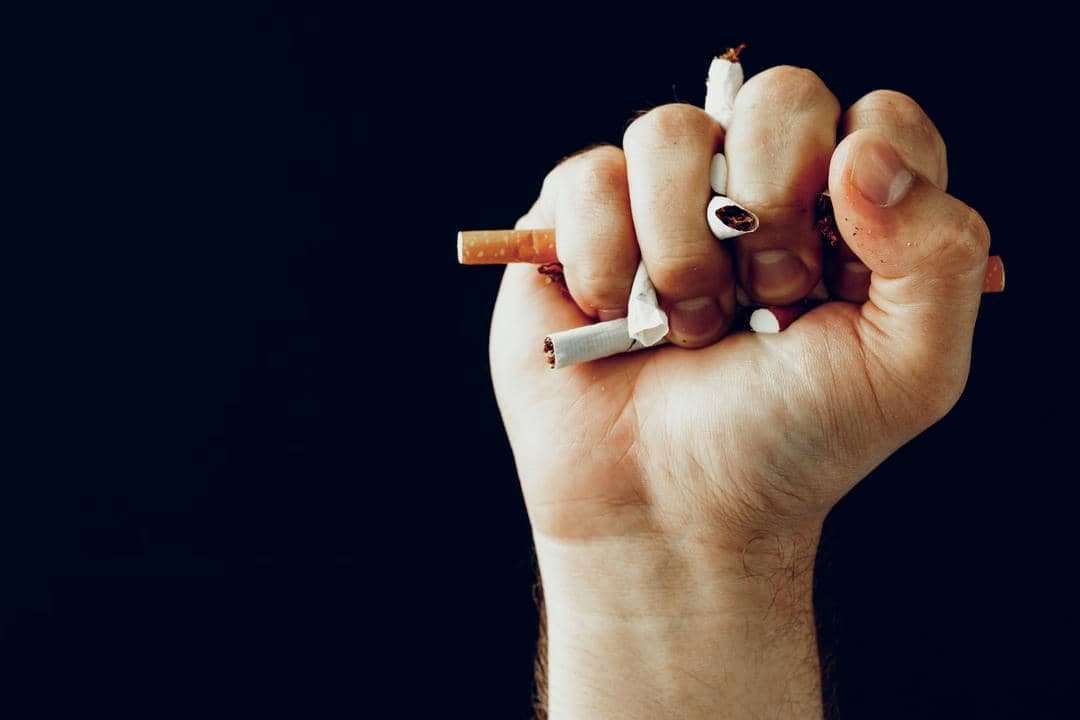
You reach for the first cigarette of the day, but this time your hand pauses.
Maybe you are tired of the cravings. Maybe you are tired of smelling smoke on your clothes. Maybe you are tired of promising yourself you will quit “soon” and then feeling frustrated when the habit pulls you back in.
Here is the encouraging truth: the moment you stop smoking, your body begins working for you. Healing starts faster than many people realize. Within hours, your oxygen levels begin improving. Within days, your senses can sharpen. Within weeks, breathing may feel easier. Over time, your risk of serious health problems can drop in powerful ways.
So, what happens when you stop smoking? Let’s walk through the real changes, the tough moments, and the practical steps that can help you stay on track.
Key Takeaway
When you stop smoking, your body starts healing within hours. Carbon monoxide levels begin to drop, oxygen improves, cravings rise and then become more manageable, breathing gets easier, energy returns, and long-term risks for heart disease, stroke, and certain cancers decrease over time.
Quitting smoking can help support:
- Better oxygen flow
- Lower heart rate and blood pressure
- Improved taste and smell
- Easier breathing
- More energy
- Better stamina
- Fresher breath
- Healthier lungs over time
- Lower heart disease risk
- More control over cravings and routines
The first few days may feel challenging, but every smoke-free hour is progress.
A Quick Timeline of What Happens After You Quit
Your body does not wait weeks to start repairing. It begins quickly.
Here is a simple overview:
- Within hours: Carbon monoxide levels start to fall, and oxygen levels begin to improve.
- Within 24 to 72 hours: Withdrawal symptoms may become stronger, but your body is adjusting.
- Within one week: Cravings may peak and then begin to fade.
- Within one month: Breathing can improve, and energy may start to return.
- Within several months: Lung function and stamina may improve.
- Within one year: Heart disease risk drops significantly compared with continued smoking.
- Over the long term: Stroke and cancer risks can decline as the body continues to heal.
These milestones matter because they show that quitting is not just about what you are giving up. It is about what you are gaining back.
The First 24 Hours: Your Body Gets to Work
The first day without cigarettes is a big step. Even if it feels uncomfortable, your body is already moving in the right direction.
During the first 24 hours, you may notice:
- Strong cravings
- Irritability
- Restlessness
- Headaches
- Trouble concentrating
- A desire to reach for your usual cigarette routine
At the same time, important changes are happening inside your body.
Your heart rate and blood pressure may begin to move toward healthier levels. Carbon monoxide, a harmful gas found in cigarette smoke, starts leaving your bloodstream. As carbon monoxide drops, your blood can carry oxygen more effectively.
That means your body is already getting cleaner fuel.
What Is Carbon Monoxide?
Carbon monoxide is a harmful gas found in cigarette smoke. It reduces the amount of oxygen your blood can carry.
When you smoke, carbon monoxide competes with oxygen in your bloodstream. This makes your heart and lungs work harder. Once you stop smoking, carbon monoxide levels begin to fall, allowing more oxygen to reach your organs, muscles, and brain.
That is one reason quitting can make such a difference, even early on.
Days 2 and 3: Cravings May Peak
The second and third days can be some of the hardest. This is when nicotine withdrawal may feel more intense.
You may experience:
- Strong urges to smoke
- Mood swings
- Anxiety
- Irritability
- Trouble sleeping
- Increased appetite
- Headaches
- Brain fog
- Restlessness
This can feel discouraging, but it is also a sign that your body is adjusting to life without nicotine.
Nicotine affects the brain’s reward system. When you stop smoking, your brain needs time to rebalance. Cravings can feel powerful, but they usually come in waves. Most cravings pass if you delay, distract, and breathe through them.
Checklist: Early Symptoms and How to Manage Them
Use this quick guide when cravings hit.
Cravings
Try:
- Deep breathing
- Drinking water
- Chewing sugar-free gum
- Waiting 10 minutes before acting
- Walking around the block
- Calling or texting someone supportive
Irritability
Try:
- Taking a short walk
- Stretching
- Avoiding known triggers
- Giving yourself quiet time
- Reminding yourself that the feeling will pass
Trouble Sleeping
Try:
- Limiting caffeine later in the day
- Creating a calming bedtime routine
- Turning off screens before bed
- Keeping your room cool and dark
- Practicing slow breathing
Headaches
Try:
- Drinking water
- Resting when possible
- Eating balanced meals
- Avoiding extra caffeine swings
- Taking breaks from screens
Anxiety or Restlessness
Try:
- Breathing exercises
- Light movement
- Journaling
- Listening to calming music
- Using nicotine replacement therapy if appropriate
The First Week: You Start Building Momentum
By the end of the first week, many people begin to feel small but exciting changes.
Taste and smell may start to sharpen. Food may taste better. Your breathing may feel slightly easier. You may feel proud that you made it through several tough days.
During this stage, cravings can still show up, especially around familiar routines.
Common triggers may include:
- Morning coffee
- Driving
- Work breaks
- Stressful conversations
- Meals
- Alcohol
- Social situations
- Boredom
- Seeing someone else smoke
The key is to plan ahead. If you know coffee triggers a craving, change your morning routine. If driving makes you want to smoke, keep gum, mints, or water in the car. If stress is a trigger, prepare a quick breathing exercise or short walk.
What Is Nicotine Replacement Therapy?
Nicotine replacement therapy, often called NRT, gives your body a controlled amount of nicotine without cigarette smoke.
Common NRT options include:
- Nicotine patches
- Nicotine gum
- Nicotine lozenges
- Nicotine inhalers
- Nicotine nasal sprays
NRT may help reduce withdrawal symptoms and make cravings easier to manage. It can be especially helpful during the early stages of quitting.
If you are unsure what option fits you, ask a healthcare professional.
The First Month: Breathing and Energy Can Improve
As you move through the first month, the benefits can become more noticeable.
You may notice:
- Less shortness of breath
- More energy during daily tasks
- Better taste and smell
- Fewer intense cravings
- More confidence
- Improved mood stability
- Less chest tightness
- Better stamina during walks or stairs
This is an exciting stage because progress starts to feel real. You are no longer just fighting the habit. You are seeing what life can feel like without it.
Your lungs are also working hard. Tiny hair-like structures called cilia help clear mucus and debris from the airways. Smoking damages them, but after quitting, they can begin functioning better over time.
One to Six Months: Your Stamina Builds
Between one and six months, many people notice bigger improvements in daily life.
Activities that once felt harder may become easier.
For example:
- Walking uphill may feel less tiring
- Climbing stairs may not leave you as winded
- Workouts may feel more manageable
- Coughing may decrease
- Chest tightness may improve
- You may feel more active and capable
This period can be motivating because your progress becomes easier to feel. The benefits are no longer only internal. They start showing up in your routines, your energy, and your confidence.
One Year and Beyond: Long-Term Health Benefits Grow
After one year without smoking, your risk of coronary heart disease drops sharply compared with someone who continues smoking.
Over time, other health risks can also decline. Your risk of stroke may go down. Your risk for certain cancers can decrease. Your circulation may improve. Your body continues repairing and adjusting.
Long-term benefits may include:
- Lower heart disease risk
- Reduced stroke risk
- Lower risk of some cancers over time
- Improved lung function
- Better exercise tolerance
- Healthier circulation
- Improved sense of control
- Better breath and clothing smell
- More financial savings
- Greater confidence in your ability to change
Quitting smoking is one of the most powerful health decisions a person can make.
Practical Quit-Support Strategies
Quitting is easier when you have a plan. You do not need to rely on willpower alone.
Try building a quit-support system with:
- Nicotine replacement therapy
- A clear quit date
- Support from friends or family
- A plan for cravings
- Trigger management
- Healthy distractions
- A smoke-free home and car
- A reward system for milestones
- Professional support if needed
The goal is not to be perfect. The goal is to keep going.
Three-Step Daily Plan
Use this simple daily plan to make quitting feel more manageable.
1. Morning: Start With Control
In the morning:
- Use NRT as directed if you are using it
- Drink water
- Eat something nourishing
- Set one small smoke-free goal
- Remind yourself why you are quitting
Your goal could be simple: “I will get through the first craving without smoking.”
2. Midday: Move Through Triggers
During the day:
- Take a 10-minute walk
- Avoid high-risk situations when possible
- Keep gum, mints, or water nearby
- Practice deep breathing
- Text someone supportive if cravings hit
Midday can be a common craving window, so having a plan helps.
3. Evening: Review and Reset
At night:
- Notice what triggered cravings
- Celebrate what went well
- Prepare for tomorrow
- Create a calming routine
- Remove reminders of smoking from your space
Even if the day was hard, every smoke-free choice counts.
How to Handle Cravings in the Moment
Cravings can feel urgent, but they usually pass.
Try the “delay and distract” method:
- Wait 10 minutes
- Take 10 slow breaths
- Drink a glass of water
- Change your location
- Do something with your hands
- Remind yourself the craving will pass
Helpful distractions include:
- Walking
- Cleaning one small area
- Listening to music
- Calling a friend
- Playing a quick phone game
- Chewing gum
- Brushing your teeth
- Holding a stress ball
- Writing down why you quit
You are not powerless during a craving. You are practicing a new response.
When to Seek Professional Help
It is a smart idea to get help if quitting feels overwhelming or if you have tried several times and keep relapsing.
Consider speaking with a clinician if:
- Cravings feel unmanageable
- You smoke heavily
- You have relapsed multiple times
- You feel depressed or anxious
- You used smoking to cope with stress
- Withdrawal affects your daily life
- You are unsure which NRT option to use
- You want medication support
- You need counseling or a quitline referral
You can say:
“I want to quit smoking and need help with cravings. Can we discuss nicotine replacement therapy, medication, or counseling options?”
That simple request gives your provider a clear starting point.
What If You Slip?
A slip does not mean you failed. It means you had a difficult moment and need to adjust the plan.
If you smoke after quitting, ask:
- What triggered it?
- Was I hungry, tired, stressed, or around smokers?
- What can I do differently next time?
- Do I need more support?
- Should I use NRT or change my current approach?
- Who can I call when cravings get intense?
Then restart as soon as possible. Do not let one cigarette turn into giving up.
Quick Do’s and Don’ts
Do:
- Plan ahead
- Use NRT if appropriate
- Track your progress
- Remove cigarettes and lighters
- Tell someone your quit date
- Drink water
- Move when cravings hit
- Celebrate small milestones
- Ask for professional help if needed
Don’t:
- Keep cigarettes “just in case”
- Skip coping strategies
- Isolate when cravings hit
- Rely only on willpower
- Ignore strong withdrawal symptoms
- Spend time around triggers too early
- Give up after one slip
- Forget why you started
Your Smoke-Free Progress Starts Now
What happens when you stop smoking? Your body begins healing within hours. Oxygen levels improve, cravings rise and then become more manageable, breathing can get easier, and energy may return. Over time, your heart, lungs, and long-term health can benefit in major ways.
The first days may test you, but they also prove something important: you can move through cravings without obeying them.
Start with the next 24 hours. Use support. Plan for triggers. Celebrate every win. Each smoke-free choice is a step toward feeling lighter, clearer, and more in control.
Disclaimer: This content was generated by ChatGPT and should be reviewed by a qualified professional before using it as medical advice.