
What Foods Should You Avoid Most Often?

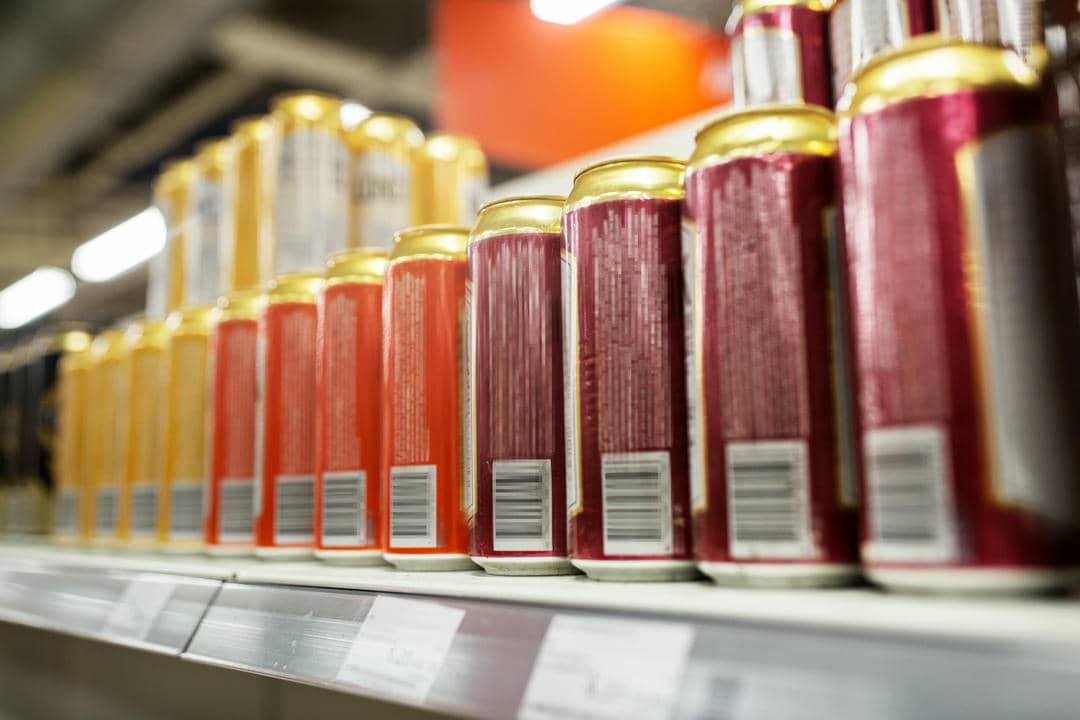
There is no single list of foods that everyone needs to completely avoid. A healthier approach is to identify foods that are generally best limited, particularly those that provide large amounts of added sugar, sodium, unhealthy fats, or calories while offering relatively little nutritional value.

Eating a cookie, having fries, or enjoying a favorite dessert occasionally does not automatically make your diet unhealthy. What matters more is what you eat regularly and how those foods fit into your overall eating pattern.

Should You Completely Avoid Certain Foods?

For most people, healthy eating does not require a long list of forbidden foods.

Instead of asking, “What foods can I never eat?” consider asking:

“Which foods should I eat less often?”

This approach is more practical and can make healthy eating easier to maintain.

Foods that are highly processed or high in added sugar, sodium, saturated fat, or calories are generally better consumed less frequently.

1. Sugary Drinks

Soda, sweetened tea, energy drinks, flavored drinks, and other sugar-sweetened beverages can add a substantial amount of sugar without providing much nutritional value.

Because liquids are easy to consume quickly, it can also be easy to take in a lot of calories without feeling particularly full.

Water, unsweetened tea, or other lower-sugar choices can be useful alternatives.

2. Highly Processed Snack Foods

Many packaged snack foods are designed to be convenient and appealing, but some contain large amounts of sodium, added sugar, refined carbohydrates, or unhealthy fats.

Examples can include:

  • Some chips
  • Certain packaged crackers
  • Sweetened snack bars
  • Some flavored baked snacks
  • Highly processed snack cakes

You do not necessarily have to eliminate these foods. Eating them less frequently and choosing more nutrient-dense snacks most of the time can make a bigger difference.

3. Processed Meats

Processed meats include products such as some types of bacon, sausages, hot dogs, and deli meats.

Many are high in sodium and saturated fat, and frequent consumption of processed meat has been associated with increased health risks.

If you eat these foods regularly, consider replacing some servings with alternatives such as fish, beans, lentils, poultry, or other less processed protein sources.

4. Foods High in Added Sugar

Added sugar can appear in many foods, including:

  • Candy
  • Cakes
  • Cookies
  • Sweetened breakfast cereals
  • Pastries
  • Some flavored yogurts
  • Sweet sauces
  • Desserts

The goal does not have to be eliminating every source of added sugar.

Instead, look at how often these foods appear in your normal diet and whether they are crowding out more nutritious options.

5. Deep-Fried Foods

Fried foods can be high in calories and fat, particularly when eaten frequently or in large portions.

Examples include:

  • French fries
  • Fried chicken
  • Fried snacks
  • Some fried fast foods
  • Deep-fried desserts

You can still enjoy fried foods occasionally while making baked, grilled, steamed, or roasted foods the more frequent choices.

6. Refined Grains in Excess

White bread, many pastries, and other foods made primarily from refined grains are not automatically unhealthy.

However, frequently choosing refined grains over whole grains can make it harder to get enough dietary fiber and other nutrients.

Consider adding foods such as:

  • Oatmeal
  • Brown rice
  • Whole-grain bread
  • Barley
  • Whole-grain pasta
  • Other intact or minimally processed grains

7. Foods Extremely High in Sodium

A large amount of sodium can come from packaged and restaurant foods.

Common sources include:

  • Processed meats
  • Instant noodles
  • Some canned meals
  • Salty snacks
  • Fast food
  • Packaged sauces
  • Certain frozen meals

Checking nutrition labels can help you compare products and choose lower-sodium options when available.

8. Highly Processed Desserts

Desserts can be part of a balanced diet, but regularly consuming large portions of highly processed desserts can add significant amounts of sugar, refined carbohydrates, and calories.

Instead of treating dessert as completely forbidden, consider portion size and frequency.

A small serving enjoyed occasionally is very different from having large desserts multiple times every day.

What About Fast Food?

Fast food is not automatically off-limits.

The problem is that many fast-food meals can be high in calories, sodium, saturated fat, and refined carbohydrates.

If you eat fast food, you can sometimes improve the meal by:

  • Choosing smaller portions
  • Adding vegetables or fruit
  • Choosing grilled options when available
  • Drinking water instead of a sugary drink
  • Limiting extra sauces
  • Avoiding oversized portions

The goal is to make better choices most of the time rather than trying to eat perfectly.

What About Artificial Sweeteners?

Artificial and low-calorie sweeteners are more complicated than simply labeling them “good” or “bad.”

Different sweeteners have different characteristics, and research continues to examine their long-term effects.

If you use them, consider the broader purpose. Replacing a high-sugar drink with a lower-sugar alternative may reduce added sugar intake, but water and other unsweetened beverages can also be useful everyday choices.

What Should You Eat Instead?

Rather than focusing only on foods to avoid, build your diet around foods that provide useful nutrients.

Try eating more:

  • Vegetables
  • Fruits
  • Beans
  • Lentils
  • Whole grains
  • Nuts
  • Seeds
  • Fish
  • Eggs
  • Lean protein sources
  • Minimally processed foods

This makes healthy eating about adding better choices, not simply taking foods away.

How Often Can You Eat Less-Healthy Foods?

There is no universal number that applies to everyone.

Your overall eating pattern matters.

If most of your meals are nutritious and balanced, there can be room for foods you simply enjoy.

For example, someone might eat vegetables, whole grains, and lean protein throughout the day and enjoy a small dessert afterward.

Healthy eating should be sustainable enough to follow over the long term.

A Simple Food-Choice Rule

When deciding what to eat, consider three questions:

1. How nutritious is this food?

Does it provide protein, fiber, vitamins, minerals, or other useful nutrients?

2. How processed is it?

A minimally processed food is often easier to fit into a nutrient-dense diet.

3. How often am I eating it?

An occasional treat is different from making a low-nutrient food a daily staple.

These questions can help you make better choices without creating an unnecessarily restrictive diet.

Bottom Line

You do not need to completely avoid every “unhealthy” food. Instead, limit foods that are frequently high in added sugar, sodium, saturated fat, refined carbohydrates, or calories with relatively little nutritional value.

Sugary drinks, highly processed snacks, processed meats, deep-fried foods, and heavily processed desserts are generally better as occasional choices rather than everyday staples.

The bigger goal is to build an eating pattern where nutritious, minimally processed foods make up most of what you eat.

Is Plant-Based Eating Healthier?

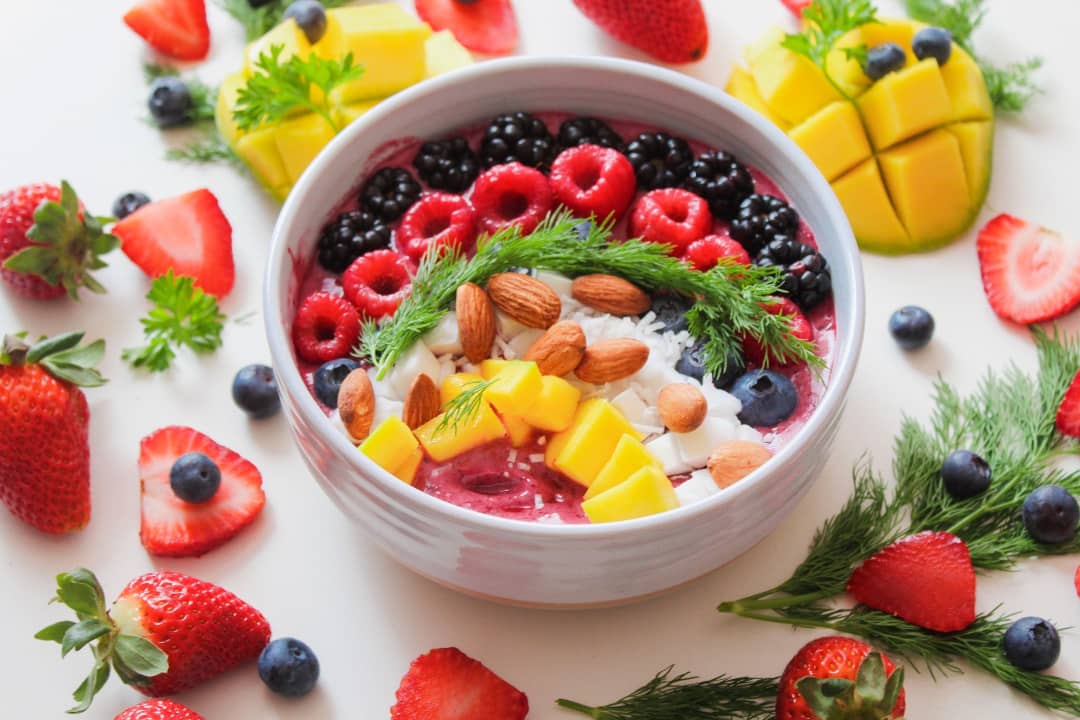
Plant-based eating can be a healthy way to eat, especially when most meals are built around vegetables, fruits, beans, lentils, whole grains, nuts, and seeds. But plant-based does not automatically mean healthy. A diet can be entirely plant-based and still contain large amounts of added sugar, refined carbohydrates, sodium, and highly processed foods.

The overall quality of the diet matters more than simply avoiding animal products.

What Does Plant-Based Eating Mean?

Plant-based eating generally means emphasizing foods that come from plants. It does not necessarily mean becoming vegan.

Depending on the person, a plant-based diet may include:

  • Vegetables
  • Fruits
  • Beans and lentils
  • Whole grains
  • Nuts and seeds
  • Plant-based oils
  • Soy foods
  • Eggs or dairy in some eating patterns
  • Small or moderate amounts of meat or seafood

Some people follow a completely vegan diet, while others simply make plant foods the main part of their meals.

Is a Plant-Based Diet Actually Healthier?

It can be.

Eating more whole plant foods can increase your intake of fiber, vitamins, minerals, and other beneficial compounds. Diets that emphasize vegetables, fruits, whole grains, legumes, nuts, and seeds are generally associated with better overall diet quality.

However, the word “plant-based” does not guarantee nutritional quality.

For example, french fries, sugary cereal, cookies, and some highly processed meat alternatives can all be part of a plant-based diet.

The better question is:

What plant foods are you eating most often?

Potential Benefits of Plant-Based Eating

More Dietary Fiber

Beans, lentils, vegetables, fruits, and whole grains can provide substantial amounts of dietary fiber.

Fiber supports normal digestion and can help with feelings of fullness. Eating more fiber-rich foods may also make it easier to build balanced meals without relying heavily on highly processed foods.

More Fruits and Vegetables

Making plants the center of meals can naturally increase fruit and vegetable intake.

Different plant foods provide different nutrients, so variety matters.

Try including several colors and types throughout the week rather than relying on the same few vegetables every day.

Better Food Quality

A well-planned plant-based diet can replace some highly processed foods and large portions of fatty or heavily refined foods with beans, vegetables, whole grains, nuts, seeds, and fruit.

That change in overall food quality may be more important than the simple fact that the diet contains fewer animal products.

What Nutrients Should You Pay Attention To?

People who significantly reduce or eliminate animal foods need to pay attention to certain nutrients.

Depending on the specific diet, these may include:

  • Protein
  • Vitamin B12
  • Iron
  • Calcium
  • Vitamin D
  • Zinc
  • Iodine
  • Omega-3 fatty acids

Protein is not difficult to obtain from a well-planned plant-based diet, but it helps to include protein-rich foods regularly.

Good options include:

  • Lentils
  • Beans
  • Chickpeas
  • Tofu
  • Tempeh
  • Soy milk
  • Nuts
  • Seeds
  • Peas

People following a fully vegan diet should pay particular attention to vitamin B12 because reliable dietary sources are limited without fortified foods or supplements.

Are Plant-Based Meat Alternatives Healthy?

Not necessarily.

Plant-based burgers, nuggets, sausages, and other meat substitutes can be convenient, but they vary considerably in their nutritional content.

Some contain substantial amounts of sodium, saturated fat, or other ingredients that may make them less nutritious than less processed plant foods.

That does not mean you have to avoid them.

Instead, look at the nutrition label and consider how frequently they appear in your overall diet.

A tofu-and-vegetable meal, for example, is generally a different nutritional choice from a highly processed plant-based meal with refined carbohydrates and a sugary beverage.

Plant-Based Does Not Always Mean Healthy

This is one of the most important points to remember.

A plant-based diet can still be high in:

  • Added sugar
  • Refined grains
  • Sodium
  • Fried foods
  • Highly processed snacks
  • Sugary beverages
  • Excess calories

Replacing every animal product with a processed substitute does not necessarily improve the overall quality of your diet.

Instead, build meals around minimally processed foods whenever practical.

How to Build a Balanced Plant-Based Meal

A simple meal formula can make plant-based eating easier.

Try combining:

Half: Vegetables and/or fruit

Quarter: Whole grains or another high-fiber carbohydrate

Quarter: Protein-rich plant food

Then add a small amount of healthy fat when appropriate.

For example:

Brown rice + tofu + mixed vegetables + avocado

or:

Whole-grain bread + hummus + salad + fruit

This approach provides variety while making it easier to include important nutrients.

What About Protein?

Protein needs vary from person to person.

Instead of worrying about getting protein from a single food, include protein-rich plant foods throughout the day.

For example:

Breakfast: Oatmeal with soy milk and nuts

Lunch: Lentil and vegetable bowl

Snack: Fruit with peanut butter

Dinner: Tofu, brown rice, and vegetables

This can provide protein across multiple meals.

Should You Completely Give Up Meat?

Not necessarily.

Some people prefer a vegan diet, while others simply want to eat more plants.

You can make your diet more plant-focused without eliminating every animal product.

For example, you could:

  • Have beans instead of meat in some meals
  • Add vegetables to lunch and dinner
  • Choose whole grains more often
  • Eat fruit as a snack
  • Replace some processed foods with nuts or seeds
  • Try one or two plant-based meals each week

Small changes can be easier to maintain than a complete dietary overhaul.

Bottom Line

Plant-based eating can be very healthy when it emphasizes vegetables, fruits, legumes, whole grains, nuts, seeds, and other minimally processed foods.

You do not have to follow a completely vegan diet to benefit from eating more plants. At the same time, plant-based products are not automatically healthier simply because they contain no animal ingredients.

Focus on the quality and variety of the foods you eat most often.

Are Protein Shakes Necessary?

Protein shakes are not necessary for everyone. Most people can meet their protein needs through a balanced diet that includes foods like eggs, meat, fish, dairy, beans, lentils, tofu, and nuts. However, protein shakes can be a convenient tool for people who struggle to get enough protein from meals, have busy schedules, exercise regularly, or follow specific dietary preferences.

The right question is not “Do I need protein shakes?” but rather “Do protein shakes fit my lifestyle and nutrition goals?” Understanding how protein supplements work can help you decide if they are useful or simply unnecessary for your routine.

What Are Protein Shakes?

Protein shakes are drinks made by mixing protein powder with water, milk, or another beverage. The powder usually comes from concentrated protein sources and is designed to make increasing protein intake more convenient.

Common types of protein powder include:

  • Whey protein: A dairy-based protein that is popular among fitness enthusiasts.
  • Casein protein: Another dairy protein that digests more slowly.
  • Plant-based protein: Often made from sources like peas, rice, soy, or other plants.
  • Blended proteins: Combinations of different protein sources.

Protein shakes are considered supplements because they add to your diet. They are not meant to replace a balanced eating pattern.

A shake after a workout may be convenient, but it does not automatically create better results than eating a protein-rich meal.

Why Do People Use Protein Shakes?

People choose protein shakes for several reasons. For some, they are simply easier than preparing a full meal.

Common reasons include:

  • Supporting muscle recovery after exercise
  • Helping meet daily protein goals
  • Saving time during busy schedules
  • Adding protein to meals with limited options
  • Supporting fitness or nutrition plans

For example, a busy professional who exercises before work may not have time to prepare eggs, chicken, or another protein-rich breakfast. A protein shake can provide a quick option while still allowing them to maintain healthy eating habits throughout the day.

Can You Get Enough Protein Without Protein Shakes?

Yes. Many people can meet their protein needs through whole foods alone.

Healthy protein sources include:

  • Eggs
  • Chicken
  • Turkey
  • Fish
  • Greek yogurt
  • Cottage cheese
  • Beans
  • Lentils
  • Tofu
  • Tempeh
  • Nuts and seeds

Whole foods provide more than protein. They also contain nutrients such as fiber, vitamins, minerals, and healthy fats.

For example, lentils provide protein along with fiber. Greek yogurt provides protein and calcium. Fish can provide protein along with beneficial fats.

A person who eats balanced meals may not need protein supplements at all.

How Much Protein Do You Need?

Protein needs vary depending on factors such as age, activity level, body size, fitness goals, and overall diet.

Someone who regularly performs strength training may have different protein needs than someone with a mostly sedentary lifestyle.

Instead of automatically adding supplements, consider:

  • Am I eating protein with most meals?
  • Am I recovering well from my workouts?
  • Does my current diet support my goals?
  • Do I have difficulty preparing protein-rich meals?

Protein shakes can help fill gaps, but they are not a replacement for understanding your overall nutrition.

Who May Benefit From Protein Shakes?

Protein shakes may be useful for certain people who find it difficult to consistently consume enough protein.

They may benefit:

Active Individuals

People who exercise frequently may use shakes as a convenient recovery option after training.

For example, someone who goes to the gym after work may use a shake because they cannot eat a full meal immediately afterward.

Busy Professionals

Long workdays, commuting, and limited meal preparation time can make balanced eating more challenging.

A protein shake can be a practical option when healthier choices are limited.

People With Specific Dietary Preferences

Vegetarians and vegans may use plant-based protein powders to add variety to their protein intake.

A vegetarian who already eats beans, tofu, eggs, and dairy may not need supplements, but a shake can provide another convenient option.

People Struggling to Meet Protein Goals

Some individuals simply find it difficult to include enough protein throughout the day. A shake can make increasing protein intake easier.

Who May Not Need Protein Shakes?

Many people do not need protein supplements.

You may not need protein shakes if:

  • Your meals already provide enough protein
  • You enjoy preparing balanced meals
  • You prefer whole-food nutrition
  • You are adding shakes without a specific reason

More protein is not automatically better. A healthy diet depends on overall nutrition quality, not just one nutrient.

Protein Shakes vs Whole Foods: Which Is Better?

Both options can fit into a healthy lifestyle. The better choice depends on your goals, schedule, and preferences.

OptionBenefitsLimitationsBest For
Protein shakesConvenient, quick, easy to prepareMay lack nutrients found in whole foodsBusy people and active individuals
Whole-food protein sourcesProvide protein plus other nutrientsRequire preparationEveryday nutrition
Protein barsPortable and convenientSome contain added ingredientsTravel or quick snacks
High-protein mealsBalanced nutrition and greater varietyTake more planningLong-term healthy eating

A protein shake is a tool. It is not automatically better than a meal containing quality protein.

Common Mistakes People Make With Protein Shakes

Protein supplements can be useful, but they are often misunderstood.

Common mistakes include:

Using Shakes as Meal Replacements

A shake can supplement your diet, but replacing too many meals may reduce your intake of important nutrients.

Ignoring Overall Nutrition

Protein is only one part of a healthy lifestyle. Fruits, vegetables, whole grains, and healthy fats also matter.

Consuming More Protein Than Needed

Adding multiple shakes without considering your current diet may not provide additional benefits.

Choosing Products Without Reading Labels

People should consider ingredients, serving size, and how a product fits their personal goals.

Expecting Supplements to Replace Healthy Habits

Protein shakes cannot replace consistent exercise, balanced meals, quality sleep, and good lifestyle choices.

How to Decide If a Protein Shake Is Right for You

Before adding protein shakes to your routine, ask yourself:

1. Am I meeting my protein needs through food?

Review your current meals first.

2. Do I need a convenient option?

A shake may help if your schedule makes meal preparation difficult.

3. Does it support my personal goals?

Your goals may include muscle recovery, fitness performance, or simply improving nutrition.

4. Am I using it as a supplement?

The best approach is usually adding shakes alongside healthy eating habits.

Practical Checklist Before Adding Protein Shakes

  • Evaluate your current diet.
  • Understand your protein needs.
  • Choose a product that matches your preferences.
  • Avoid replacing balanced meals unnecessarily.
  • Use supplements as a convenience tool.

Frequently Asked Questions

Do I need protein shakes to build muscle?

No. Muscle growth depends on many factors, including training, adequate nutrition, and recovery. Protein shakes are simply one convenient way to add protein.

Can I get enough protein from food?

Yes. Many people meet their protein needs through balanced meals containing animal or plant-based protein sources.

Are protein shakes good for weight loss?

Protein shakes may fit into a weight management plan because they can be convenient and filling. However, overall calorie intake and eating habits matter most.

When is the best time to drink a protein shake?

There is no single required time. Many people use them after workouts or when they need a convenient protein option.

Are protein shakes safe every day?

For many healthy individuals, protein shakes can be part of a regular diet. However, they should fit within an overall balanced eating pattern.

Are plant-based protein shakes effective?

Yes. Plant-based protein powders can provide protein and may work well for people following vegetarian or vegan diets.

How much protein do I need daily?

Protein needs vary based on individual factors, activity level, and goals. There is no single amount that applies to everyone.

Are protein shakes better than whole foods?

Not necessarily. Whole foods provide additional nutrients, while shakes offer convenience.

Final Thoughts

Protein shakes are not required for a healthy lifestyle. They are simply one option for people who need a convenient way to increase protein intake.

For some people, a shake makes nutrition easier during busy days or around workouts. For others, regular meals already provide everything they need.

The best approach is to focus on balanced eating habits, quality protein sources, and nutrition choices that match your lifestyle. Supplements can be helpful, but they work best as a tool alongside a healthy diet rather than as a replacement for one.

Disclaimer: Content is generated with the help of ChatGPT.

Is Coffee Good or Bad for You?

Coffee is one of the most widely consumed drinks in the world, yet it somehow carries two completely opposite reputations. On one hand, it is praised as a brain-boosting, metabolism-supporting beverage. On the other, it is blamed for anxiety, poor sleep, and heart issues.

So which version is true?

The honest answer is that coffee is neither purely good nor purely bad. Its effects depend on how much you drink, when you drink it, what you add to it, and how your body responds to caffeine.

This guide breaks everything down in a simple, practical way so you can decide how coffee fits into your life without confusion or extremes.

Key Takeaway

If you only remember a few points, make it these:

  • For most healthy adults, moderate coffee intake (about 3 to 5 cups per day or up to 400 mg caffeine) is generally safe
  • Coffee may support alertness, focus, and possibly reduce risk of certain diseases like type 2 diabetes
  • The downsides usually come from too much caffeine, poor timing, or high-sugar coffee drinks
  • Sleep disruption, anxiety, and jitters are the most common signs you are overdoing it
  • Plain coffee is very different from sugary café drinks, which can turn coffee into a high-calorie dessert

In short, coffee is not the problem. How you use it is what matters.

Why Coffee Has a Confusing Reputation

Coffee has been studied for decades, and the results can seem contradictory.

Some large population studies suggest that moderate coffee drinkers may have:

  • Lower risk of type 2 diabetes
  • Lower risk of certain heart-related conditions
  • Potential protection against neurodegenerative diseases
  • Slightly lower overall mortality in long-term observational research

At the same time, caffeine is a stimulant that can:

  • Disrupt sleep
  • Increase anxiety in sensitive individuals
  • Trigger heart palpitations in some people
  • Raise blood pressure temporarily

Both sides are true. The difference comes down to dose and individual sensitivity.

What Is Actually Inside Coffee?

Coffee is more than just caffeine. It contains a mix of compounds that can influence how your body responds.

Caffeine: The Main Active Ingredient

Caffeine is a natural stimulant that works by blocking adenosine, a chemical in the brain that makes you feel tired.

Effects of caffeine include:

  • Increased alertness and focus
  • Faster reaction time
  • Improved short-term memory in some cases
  • Temporary increase in heart rate and blood pressure

It is worth noting that people process caffeine differently. Some feel energized for hours, while others feel jittery or anxious quickly.

Antioxidants and Plant Compounds

Coffee is one of the largest sources of antioxidants in many diets.

These compounds, including polyphenols, may:

  • Help reduce inflammation
  • Support blood vessel function
  • Play a role in metabolic health

This is one reason black coffee often shows up positively in nutrition research.

What Changes Everything: Add-Ins

Plain coffee is very different from specialty drinks.

  • Black coffee: Almost zero calories
  • Sugar-loaded coffee drinks: Can become high-calorie beverages
  • Creamers and syrups: Often add saturated fat and added sugars

A simple cup of coffee can shift from health-friendly to dessert-level nutrition depending on what is added.

Potential Benefits of Coffee

Coffee is not just about staying awake. Research has identified several possible benefits when consumed in moderation.

Improved Focus and Mental Performance

Caffeine is known for its cognitive effects.

It may help with:

  • Alertness during work or study
  • Short-term memory performance
  • Concentration during repetitive tasks

This is why many people rely on coffee in the morning or during long work sessions.

Physical Performance Support

Caffeine can also influence exercise performance.

Possible effects include:

  • Increased endurance during cardio activity
  • Improved power output during strength training
  • Reduced perceived effort during exercise

Because of this, caffeine is often used in pre-workout supplements.

Metabolic and Blood Sugar Support

Some studies suggest moderate coffee consumption may be linked with:

  • Lower risk of type 2 diabetes
  • Improved insulin sensitivity in some populations
  • Slight increase in metabolic rate

However, coffee is not a weight loss tool on its own. Diet and lifestyle still matter far more.

Brain Health and Longevity Research

Long-term observational studies have explored links between coffee and brain health.

Findings suggest coffee drinkers may have:

  • Lower risk of Parkinson’s disease
  • Lower risk of cognitive decline in older age
  • Slight associations with increased longevity in some populations

These are associations, not guarantees, but they appear consistently across multiple studies.

The Potential Downsides of Coffee

While coffee has benefits, it is not harmless for everyone or in every situation.

Sleep Disruption

Caffeine can stay in the body for several hours.

Common issues include:

  • Difficulty falling asleep
  • Reduced sleep quality
  • Lighter, less restorative sleep

Even afternoon coffee can affect nighttime rest for sensitive individuals.

Anxiety, Jitters, and Restlessness

Caffeine stimulates the nervous system, which can sometimes lead to overstimulation.

Possible effects:

  • Feeling anxious or on edge
  • Hand tremors
  • Rapid heartbeat
  • Restlessness

If these symptoms appear, it may be a sign to reduce intake.

Digestive Issues and Heartburn

Coffee can affect the digestive system in some people.

It may:

  • Increase stomach acid production
  • Relax the lower esophageal sphincter
  • Contribute to acid reflux or heartburn

Cold brew or lower-acid coffee may be better tolerated.

Temporary Blood Pressure Increase

Caffeine can raise blood pressure temporarily, especially in those who are not regular consumers.

While most healthy adults tolerate this well, people with:

  • Uncontrolled hypertension
  • Certain heart conditions
  • Sensitivity to stimulants

should monitor intake more carefully.

How Much Coffee Is Safe?

For most healthy adults, caffeine guidelines are fairly consistent.

General Recommendation

  • Up to 400 mg of caffeine per day is considered safe for most adults
  • This is roughly 3 to 5 cups of brewed coffee

However, this is not a one-size-fits-all rule.

Individual Sensitivity Matters

People vary widely in how they respond:

  • Fast metabolizers may feel little effect even at higher doses
  • Slow metabolizers may feel strong effects from small amounts

Signs You May Be Drinking Too Much

Pay attention to:

  • Trouble sleeping
  • Increased anxiety
  • Frequent jitters
  • Heart palpitations
  • Needing more coffee just to feel normal

Special Populations

Certain groups should be more cautious:

  • Pregnant individuals are often advised to stay below 200 mg caffeine daily
  • People with heart conditions should consult a healthcare professional
  • Teens and children should consume much less caffeine overall

Coffee Add-Ins: Where Things Often Go Wrong

Coffee itself is low in calories. The problem often comes from what gets added.

Common Add-Ins That Change Everything

  • Sugar and syrups
  • Flavored creamers
  • Whipped cream
  • Large amounts of whole milk or half-and-half

A simple coffee can turn into a high-calorie drink without much notice.

Healthier Adjustments

Small changes can make a big difference:

  • Reduce syrup pumps gradually instead of cutting all at once
  • Use milk instead of heavy cream
  • Try cinnamon or vanilla extract for flavor without sugar
  • Choose smaller drink sizes when ordering café beverages

For example:

  • Black coffee: near zero calories
  • Large flavored latte: can exceed 300 to 500 calories

Who Should Be More Careful With Coffee?

Coffee does not affect everyone the same way. Some people may benefit from limiting intake.

Be cautious if you experience:

  • Chronic insomnia or poor sleep quality
  • High anxiety levels or panic symptoms
  • Acid reflux or frequent heartburn
  • Certain heart rhythm conditions
  • Pregnancy or breastfeeding (follow medical guidance)

Coffee is not inherently unsafe, but personal health context matters.

How to Make Coffee Work in Your Daily Routine

Instead of asking whether coffee is good or bad, it is more useful to focus on how to use it well.

Timing Tips

  • Avoid coffee late in the day if it affects your sleep
  • Many people benefit from stopping caffeine 6 to 8 hours before bedtime
  • Morning consumption tends to be better tolerated

Practical Intake Strategy

  • Start with lower amounts and adjust gradually
  • Stick to moderate daily intake if you feel fine
  • Consider alternating regular coffee with decaf

Simple Habit Tweaks

  • Delay your first cup by 30 to 60 minutes after waking if you feel anxious
  • Drink water alongside coffee
  • Notice how your body responds over a week

Tracking your symptoms can help you find your personal “sweet spot.”

A Balanced Way to Think About Coffee

Coffee is best understood as a tool rather than a health miracle or a harmful habit.

It can:

  • Improve focus and alertness
  • Fit into a healthy lifestyle
  • Support performance and productivity

It can also:

  • Disrupt sleep if poorly timed
  • Increase anxiety in sensitive individuals
  • Become unhealthy when loaded with sugar and cream

The difference is not just the coffee itself, but how it is used.

Disclaimer: This article was generated with the assistance of ChatGPT for informational and educational purposes only. It is not intended as medical advice. Readers should consult qualified healthcare professionals for personalized guidance regarding caffeine intake, diet, or medical conditions.

Which Cooking Oil is Best?

Choosing a cooking oil seems simple until you’re standing in the grocery aisle staring at dozens of bottles that all claim to be healthy. Olive oil, avocado oil, canola oil, coconut oil, sunflower oil, and more all have supporters, critics, and conflicting headlines surrounding them.

So which cooking oil is actually best?

The answer depends on how you’re using it. The healthiest choice for a salad isn’t always the best choice for frying, and the most expensive oil isn’t automatically the healthiest.

This guide breaks down the most popular cooking oils, explains what really matters when choosing one, and helps you decide which bottle deserves a permanent place in your kitchen.

Key Takeaway

If you only remember one thing from this article, remember this:

  • Extra virgin olive oil is the best everyday oil for most people.
  • Avocado oil is one of the best options for high-heat cooking.
  • Canola oil offers a budget-friendly balance of healthy fats and versatility.
  • Coconut oil, butter, and ghee can be enjoyed occasionally but are best used in moderation due to their higher saturated fat content.
  • No single oil is perfect for every situation. Matching the oil to the cooking method is what matters most.

A combination of extra virgin olive oil and a high-heat oil such as avocado oil can handle nearly everything you’ll cook at home.

What Makes a Cooking Oil Healthy?

Before comparing specific oils, it helps to understand what separates a healthier oil from a less desirable one.

The Type of Fat Matters

Cooking oils contain different types of fats, and those fats affect health in different ways.

Saturated Fat

Saturated fats are typically solid at room temperature.

Examples include:

  • Butter
  • Coconut oil
  • Ghee

While saturated fats can be part of a balanced diet, consuming large amounts may increase LDL cholesterol levels in some individuals.

Monounsaturated Fat

Monounsaturated fats are generally considered heart-friendly and are associated with positive cardiovascular outcomes.

Common sources include:

  • Olive oil
  • Avocado oil

Many nutrition experts recommend making these fats a regular part of your diet.

Polyunsaturated Fat

Polyunsaturated fats include omega-3 and omega-6 fatty acids.

These fats are found in:

  • Canola oil
  • Sunflower oil
  • Soybean oil
  • Safflower oil

When they replace saturated fats in the diet, they may support heart health.

Why Smoke Point Matters

Another important factor is an oil’s smoke point.

The smoke point is the temperature at which an oil begins to break down and produce smoke.

When oil reaches this point:

  • Flavor quality decreases
  • Nutrients can be damaged
  • Cooking performance suffers

For high-temperature cooking methods such as frying, grilling, and searing, you’ll want oils with higher smoke points.

For lower-temperature cooking or uncooked applications, smoke point becomes less important.

Refined vs. Unrefined Oils

Many oils come in both refined and unrefined forms.

Unrefined Oils

Examples include:

  • Extra virgin olive oil
  • Cold-pressed oils

Benefits include:

  • More natural flavor
  • Higher antioxidant content
  • Less processing

These oils are often preferred for salads, dressings, and lower-heat cooking.

Refined Oils

Refined oils undergo additional processing to remove impurities.

Benefits include:

  • Higher smoke points
  • Neutral flavor
  • Longer shelf life

They are often the better choice for frying and baking.

Comparing the Most Popular Cooking Oils

Let’s look at how the most common oils stack up.

Extra Virgin Olive Oil

Extra virgin olive oil, often called EVOO, consistently ranks among the healthiest oils available.

It is made from olives using minimal processing and contains beneficial plant compounds known as polyphenols.

Best Uses

  • Salad dressings
  • Dips
  • Marinades
  • Finishing dishes
  • Light sautéing
  • Roasting at moderate temperatures

Benefits

  • Rich in monounsaturated fats
  • Contains antioxidants
  • Strong evidence supporting heart health
  • Excellent flavor

Drawbacks

  • More expensive than some alternatives
  • Not ideal for extremely high temperatures

For most households, extra virgin olive oil should be the primary everyday oil.

Refined Olive Oil

Refined olive oil undergoes additional processing that removes some of the flavor and antioxidant compounds found in EVOO.

Best Uses

  • Roasting
  • Sautéing
  • Stir-frying
  • Higher-temperature cooking

Benefits

  • Higher smoke point
  • Mild flavor
  • Still rich in monounsaturated fats

Drawbacks

  • Fewer antioxidants than extra virgin olive oil
  • Less flavor complexity

It offers a practical compromise between nutrition and cooking performance.

Avocado Oil

Avocado oil has become increasingly popular due to its versatility and impressive heat tolerance.

Its fat profile is similar to olive oil, with a high percentage of monounsaturated fats.

Best Uses

  • High-heat frying
  • Grilling
  • Stir-frying
  • Roasting
  • Salad dressings

Benefits

  • Very high smoke point
  • Mild taste
  • Heart-friendly fat composition
  • Versatile for nearly any cooking method

Drawbacks

  • Usually more expensive than other oils

If you frequently cook at high temperatures, avocado oil is one of the best choices available.

Canola Oil

Canola oil is often overlooked because it lacks the premium image of olive or avocado oil.

However, it remains one of the more balanced and affordable options.

Best Uses

  • Baking
  • Frying
  • Sautéing
  • General cooking

Benefits

  • Low in saturated fat
  • Contains omega-3 fatty acids
  • Neutral flavor
  • Affordable

Drawbacks

  • Commonly refined
  • Quality varies between brands

For families looking for a budget-friendly cooking oil, canola oil remains a practical option.

Vegetable Oil

Vegetable oil is often a blend of different seed oils such as soybean, corn, and sunflower oils.

Best Uses

  • Frying
  • Baking
  • Large-batch cooking

Benefits

  • Inexpensive
  • Easy to find
  • Neutral flavor

Drawbacks

  • Usually highly refined
  • Nutritional quality varies

Vegetable oil can fit into a balanced diet, especially when used in moderation.

Sunflower Oil and Safflower Oil

These oils come in multiple varieties.

The healthiest versions are often labeled “high oleic.”

Best Uses

  • Roasting
  • Frying
  • Baking
  • Sautéing

Benefits

  • Neutral flavor
  • Good heat stability
  • Available in healthier high-oleic versions

Drawbacks

  • Some varieties contain higher amounts of omega-6 fats

If choosing these oils, high-oleic versions are generally preferred.

Coconut Oil

Coconut oil has gained popularity in recent years, but its health reputation is often overstated.

It remains one of the highest sources of saturated fat among cooking oils.

Best Uses

  • Baking
  • Certain ethnic cuisines
  • Recipes where coconut flavor is desired

Benefits

  • Pleasant flavor
  • Stable during cooking

Drawbacks

  • Very high in saturated fat
  • Not ideal as a primary everyday oil

Coconut oil works best as an occasional ingredient rather than the foundation of your cooking routine.

Butter and Ghee

Butter and ghee are valued primarily for flavor.

Ghee is clarified butter that has had water and milk solids removed.

Best Uses

  • Finishing vegetables
  • Sauces
  • Baking
  • Lower-heat cooking

Benefits

  • Rich flavor
  • Popular in many traditional recipes

Drawbacks

  • High in saturated fat
  • Calorie-dense

Both can fit into a healthy diet when used thoughtfully.

Which Oil Is Best for Different Cooking Methods?

Choosing the right oil becomes much easier when you focus on how you’re cooking.

Best Oils for High-Heat Cooking

For frying, searing, grilling, and stir-frying:

  • Avocado oil
  • Refined olive oil
  • Canola oil
  • High-oleic sunflower oil

Best Oils for Everyday Cooking

For sautéing and roasting:

  • Extra virgin olive oil
  • Refined olive oil
  • Avocado oil
  • Canola oil

Best Oils for Baking

For cakes, muffins, and baked goods:

  • Canola oil
  • Refined olive oil
  • Vegetable oil

Best Oils for Salads and Finishing

For uncooked applications:

  • Extra virgin olive oil
  • Avocado oil
  • Walnut oil

These oils provide flavor as well as nutritional benefits.

Are Seed Oils Really Bad?

Seed oils have become a controversial topic online.

Many claims suggest that all seed oils are harmful, but the evidence is more complicated.

Most concerns stem from diets that are high in:

  • Fast food
  • Processed snacks
  • Refined carbohydrates
  • Excess calories

In these situations, seed oils are only one small piece of a much larger dietary pattern.

Using moderate amounts of canola, sunflower, soybean, or safflower oil at home is very different from consuming large amounts of ultra-processed foods.

Rather than fearing specific oils, focus on overall dietary quality.

A diet rich in:

  • Vegetables
  • Fruits
  • Whole grains
  • Lean proteins
  • Healthy fats

will have a much greater impact on health than obsessing over a single bottle of oil.

Tips for Buying and Storing Cooking Oils

Choosing a quality oil is only part of the equation.

Proper storage helps preserve freshness and flavor.

What to Look for on Labels

Consider these terms:

  • Extra virgin
  • Cold-pressed
  • Expeller-pressed
  • High oleic

These labels often indicate less processing or better cooking performance.

When to Spend More

Invest in:

  • High-quality extra virgin olive oil for salads and finishing

Save money on:

  • Neutral oils used for frying and baking

Storage Tips

To keep oils fresh:

  • Store away from direct sunlight
  • Keep containers tightly sealed
  • Use a cool, dark cupboard
  • Avoid storing oils next to the stove

If an oil develops a stale, paint-like, or nutty smell, it may be rancid and should be discarded.

A Simple Rule for Choosing Cooking Oil

If choosing an oil still feels overwhelming, use this simple approach:

  • Use extra virgin olive oil for most everyday cooking and salads.
  • Keep avocado oil on hand for high-heat cooking.
  • Use canola oil when you need a versatile and budget-friendly option.
  • Enjoy butter, ghee, and coconut oil occasionally for flavor.
  • Focus on your overall diet rather than searching for one perfect oil.

Small choices made consistently tend to matter far more than chasing the latest nutrition trend.

Disclaimer: This article was generated with the assistance of ChatGPT and reviewed for informational purposes. While efforts have been made to provide accurate and helpful information, readers should verify important health and nutrition information with qualified healthcare professionals, registered dietitians, or trusted medical sources before making dietary decisions.

Are Energy Drinks Bad for You?

It is 3 PM, your focus starts fading, and your to-do list still looks way too long. You reach for an energy drink because it feels like the fastest fix. A few minutes later, you feel awake, alert, and ready to power through.

Then comes the crash.

Your energy dips again, your focus gets fuzzy, and now you may feel jittery, restless, or wired when you should be winding down later. So, are energy drinks bad for you, or are they just another caffeine option?

The answer is not one-size-fits-all. Energy drinks can be okay for some healthy adults in moderation, but they can also cause problems when used too often, too late in the day, or by people who are more sensitive to caffeine.

Key Takeaway

Energy drinks are not automatically bad for every person, but they can become risky when you drink too much, rely on them daily, mix them with alcohol, or have certain health concerns.

Energy drinks may cause:

  • Jitters
  • Fast heartbeat
  • Headaches
  • Energy crashes
  • Trouble sleeping
  • Stomach discomfort
  • Higher blood pressure
  • Anxiety symptoms
  • Dental issues from sugar and acidity

For many healthy adults, moderate caffeine intake may be manageable. However, teens, pregnant people, people with heart conditions, and those sensitive to caffeine should be especially careful or avoid energy drinks altogether.

What Are Energy Drinks?

Energy drinks are beverages marketed to boost alertness, focus, stamina, and energy. They are often used during long workdays, workouts, study sessions, road trips, or afternoon slumps.

Most energy drinks contain a mix of ingredients such as:

  • Caffeine
  • Sugar or artificial sweeteners
  • B vitamins
  • Taurine
  • Guarana
  • Flavorings
  • Herbal extracts
  • Electrolytes in some formulas

Caffeine is usually the main ingredient responsible for the “energy” feeling. It stimulates the nervous system and can make you feel more awake for a short period of time.

However, some energy drinks also include guarana, which contains additional caffeine. That means the total caffeine effect may be stronger than you realize.

What Happens After You Drink One?

After drinking an energy drink, you may feel more alert within minutes. Your heart rate may rise, your brain may feel more awake, and your tiredness may temporarily fade.

That sounds helpful, especially during a busy day.

But the effects can come with trade-offs.

Short-term effects may include:

  • Increased alertness
  • Faster heartbeat
  • Jitters
  • Shakiness
  • Restlessness
  • Headache
  • Upset stomach
  • Trouble focusing after the buzz wears off
  • Irritability
  • Energy crash later

Some people tolerate caffeine well. Others feel uncomfortable after even a small amount.

Why the Crash Happens

Many energy drinks contain both caffeine and sugar. Caffeine gives a quick boost, while sugar can provide fast fuel. The problem is that fast fuel may not last long.

After the initial lift, your energy may drop again. This can leave you feeling:

  • Sleepy
  • Moody
  • Foggy
  • Hungry
  • Unfocused
  • More tempted to grab another drink

That cycle can become frustrating. You drink one for energy, crash later, then feel like you need another one to keep going.

Checklist: Common Side Effects and What to Do

If you drink an energy drink and feel off, try these simple steps.

Jitters or Fast Heartbeat

Try:

  • Stop drinking it
  • Sip water
  • Sit down for a few minutes
  • Take slow breaths
  • Avoid more caffeine that day
  • Eat a balanced snack if you have not eaten

Energy Crash

Try:

  • Eat protein and fiber
  • Take a short walk
  • Drink water
  • Avoid grabbing another sugary drink
  • Step away from screens for a few minutes

Sleep Trouble

Try:

  • Avoid caffeine after early afternoon
  • Keep your bedroom dark and cool
  • Use a calming evening routine
  • Avoid late scrolling
  • Switch to caffeine-free drinks later in the day

Headache or Stomach Discomfort

Try:

  • Hydrate
  • Eat a simple meal or snack
  • Avoid drinking energy drinks on an empty stomach
  • Reduce your caffeine dose next time
  • Take a break from energy drinks for a few days

Long-Term Health Concerns

Having one energy drink once in a while may not cause problems for a healthy adult. But frequent or high intake can create concerns over time.

Potential long-term concerns include:

  • Poor sleep quality
  • Increased blood pressure
  • Caffeine dependence
  • More anxiety or restlessness
  • Dental enamel damage
  • Weight gain from sugary versions
  • Blood sugar spikes
  • Heart rhythm concerns in sensitive people
  • More frequent headaches

Sugar-heavy energy drinks can also affect teeth because they are often acidic. Acid and sugar together can increase the risk of tooth decay.

If you are using energy drinks every day just to function, that may be a sign to look at sleep, stress, hydration, meals, and overall routine.

Heart Health and Energy Drinks

One of the biggest concerns with energy drinks is how they may affect the heart.

Caffeine can raise heart rate and blood pressure. For some people, that may lead to palpitations or an uncomfortable racing feeling.

An arrhythmia is an irregular heartbeat. It can feel like fluttering, skipping, pounding, or racing in the chest. If this happens often or feels severe, it is important to seek medical attention.

Risk may be higher if you:

  • Drink large amounts of caffeine
  • Drink multiple energy drinks in one day
  • Mix energy drinks with alcohol
  • Have an existing heart condition
  • Take stimulant medication
  • Are sensitive to caffeine
  • Have anxiety or panic symptoms

If energy drinks make your heart race, make you dizzy, or cause chest discomfort, stop using them and talk to a healthcare professional.

Who Should Avoid Energy Drinks?

Energy drinks are not a great choice for everyone.

Some groups should avoid them or be especially cautious.

Teens

Teens are more sensitive to caffeine, and their brains and bodies are still developing. Energy drinks can affect sleep, mood, focus, and heart rate.

Pregnant People

Pregnant people are usually advised to limit caffeine. Energy drinks can contain high caffeine levels and other ingredients that may not be ideal during pregnancy.

People With Heart Conditions

If you have heart disease, high blood pressure, arrhythmias, or palpitations, energy drinks may increase symptoms.

People With Anxiety

Caffeine can worsen anxiety, restlessness, and panic symptoms in some people.

People Sensitive to Caffeine

If a small amount of caffeine makes you shaky, wired, anxious, or unable to sleep, energy drinks are probably not the best choice.

How Much Is Too Much?

For most healthy adults, total caffeine intake should generally stay under about 400 mg per day. That includes caffeine from all sources, not just energy drinks.

Caffeine sources may include:

  • Coffee
  • Tea
  • Energy drinks
  • Soda
  • Pre-workout supplements
  • Chocolate
  • Some medications
  • Guarana-containing products

The tricky part is that energy drinks vary widely. Some have modest caffeine levels, while others contain much higher amounts. Always check the label.

Also, timing matters. Even if your total caffeine is within a reasonable range, drinking it too late can still hurt your sleep.

A smart rule is to avoid caffeine after early afternoon, especially if you have trouble falling asleep.

Three-Step Plan to Test Your Tolerance

If you are a healthy adult and want to understand how energy drinks affect you, test your tolerance carefully.

1. Start Small

Try a small serving in the morning. Do not drink it quickly. Track how you feel for the next two hours.

Watch for:

  • Jitters
  • Racing heart
  • Anxiety
  • Headache
  • Stomach discomfort
  • Better focus
  • Energy crash

2. Avoid Late-Day Caffeine

If you tolerate it well, keep caffeine earlier in the day. Try to stop by 2 PM or earlier if sleep is an issue.

3. Reassess Your Sleep and Energy

If you feel wired at night, sleep poorly, or crash later, cut back or take a break for a week.

This helps you learn your real limit instead of guessing.

Smarter Alternatives for Energy

Energy drinks are not the only way to wake up your brain. There are better options that can help without the same crash.

Try:

  • Water with lemon or citrus
  • Unsweetened tea
  • Black coffee
  • Green tea
  • Sparkling water
  • A protein-rich snack
  • A short walk
  • Light stretching
  • A 10 to 15 minute nap
  • A few minutes of sunlight
  • Deep breathing
  • A quick break away from screens

Sometimes your body is not asking for caffeine. It may be asking for hydration, food, movement, or rest.

Quick Energy-Boosting Snack Ideas

If your afternoon energy drops, food may help more than another drink.

Try snacks with protein and fiber, such as:

  • Greek yogurt with berries
  • Apple slices with peanut butter
  • Whole grain toast with avocado
  • Nuts and fruit
  • Hummus with vegetables
  • Boiled eggs
  • Cottage cheese with fruit
  • Oatmeal with chia seeds
  • Turkey roll-ups
  • Protein smoothie with low sugar

These options provide steadier fuel than a sugary drink.

How to Reduce Energy Drink Dependence

If energy drinks have become a daily habit, you do not have to quit all at once. Gradual changes can work well.

Try these steps:

  • Cut your serving size in half
  • Switch to a lower-caffeine drink
  • Replace one energy drink with tea
  • Drink water before caffeine
  • Eat breakfast with protein
  • Take a short walk during your slump
  • Stop keeping energy drinks at your desk
  • Set a caffeine cutoff time
  • Track how much caffeine you actually drink

Small changes can make your energy feel more stable over time.

Quick Do’s and Don’ts

Do:

  • Check caffeine labels
  • Count total caffeine from all sources
  • Choose lower-sugar options
  • Drink water throughout the day
  • Eat balanced meals
  • Stop caffeine early enough to protect sleep
  • Pay attention to heart symptoms
  • Take breaks from daily use if needed

Don’t:

  • Mix energy drinks with alcohol
  • Drink them late in the day
  • Use them to replace sleep
  • Drink multiple cans without checking caffeine content
  • Ignore jitters or palpitations
  • Rely on sugar for daily energy
  • Assume “natural” ingredients mean risk-free
  • Give energy drinks to children or teens

A Better Way to Beat the Afternoon Slump

So, are energy drinks bad for you? They can be, especially if you drink them often, consume too much caffeine, choose high-sugar versions, or have health conditions that make caffeine risky.

For healthy adults, occasional moderate use may be okay. The key is to know your limits, avoid late-day caffeine, choose lower-sugar options, and pay attention to how your body responds.

If your energy crashes every afternoon, look beyond the can. Better sleep, hydration, balanced meals, short walks, and smarter caffeine timing can help you feel more focused without the rollercoaster.

Disclaimer: This content was generated by ChatGPT and should be reviewed by a qualified professional before using it as medical advice.

How to Make Smarter Decisions for Your Health

Every day, people are faced with choices that affect their health. Some decisions seem small, while others feel more important.

The challenge is that modern life often makes unhealthy habits convenient. Fast food is available everywhere, people spend more time sitting than moving, and the internet is filled with conflicting health advice.

Making smarter health choices does not require perfection. It involves becoming more aware of how everyday habits influence long-term well-being.

Convenience Is Not Always Healthy

Modern convenience saves time, but it can also encourage unhealthy habits.

Highly processed foods, sugary drinks, excessive screen time, and lack of physical activity have become common parts of daily life.

Many people are not intentionally making unhealthy choices. Often, they simply follow routines that feel normal.

Awareness is the first step toward improvement.

Learning to Question Health Trends

Health advice online changes constantly.

One week a certain food is praised, and the next week it is criticized.

People should be cautious of trends that promise instant results or unrealistic outcomes.

Trustworthy health information is usually balanced, practical, and supported by evidence.

Small Choices Add Up Over Time

Healthy living is built through repeated actions.

Drinking more water, preparing meals at home, getting enough sleep, and moving regularly may seem simple, but these habits create long-term benefits.

The body responds to consistency.

Comparing Options Can Help

Many people improve their health by making better substitutions instead of dramatic changes.

For example:

  • Choosing water instead of soda
  • Walking instead of remaining sedentary
  • Cooking meals instead of relying on fast food
  • Prioritizing sleep over late-night screen time

Small improvements are often easier to maintain than extreme lifestyle changes.

Healthy Choices Should Be Realistic

One reason many health plans fail is because they are unrealistic.

People often try to change everything at once. This can quickly become overwhelming.

A better approach is to focus on manageable improvements.

Sustainable habits usually create stronger long-term results.

The Goal Is Progress

Healthy living is not about perfection.

Everyone occasionally makes unhealthy choices. What matters most is the overall pattern of daily habits.

Progress over time is more important than temporary perfection.

Final Thoughts

Smarter health decisions are often built through awareness, balance, and consistency.

The healthiest lifestyles are usually based on realistic habits that support physical and mental well-being over time.

Every small improvement has the potential to create meaningful long-term benefits.

Content generated by ChatGPT.