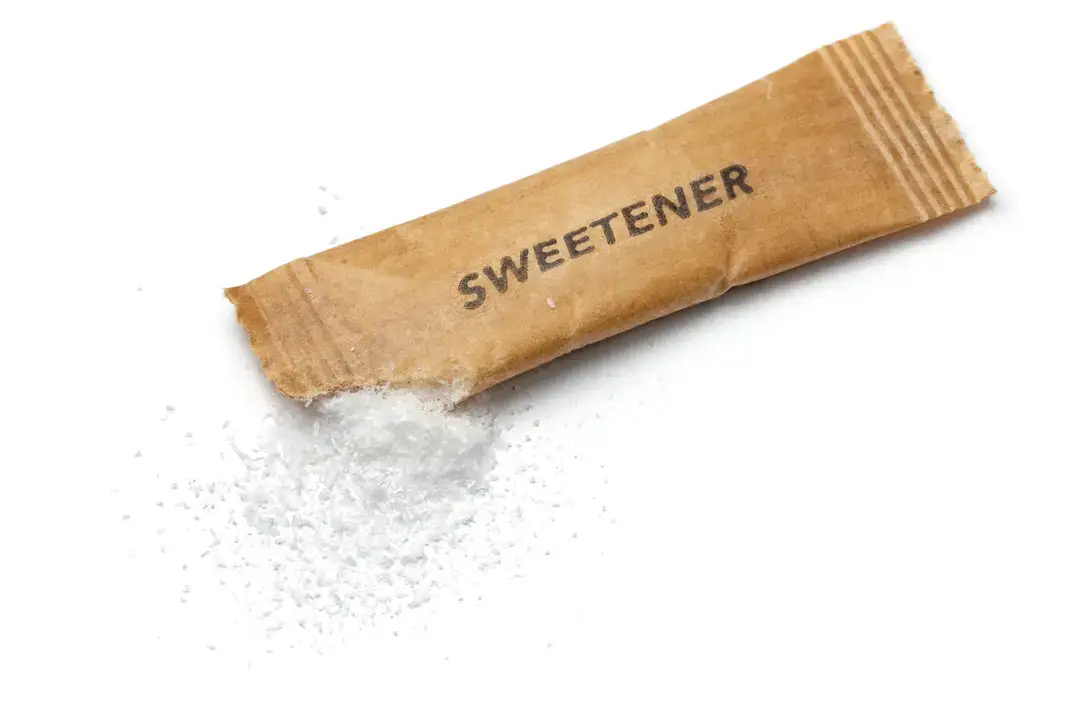
Walk through any grocery store, and you’ll find artificial sweeteners everywhere. They’re in diet sodas, protein powders, yogurt, chewing gum, sugar-free desserts, and even some medications. Some people use them to cut back on sugar, while others avoid them because they’ve heard they might be harmful.
So, are artificial sweeteners bad for you?
The short answer is not for most people when consumed within the acceptable daily intake (ADI) established by the U.S. Food and Drug Administration (FDA). Current scientific evidence indicates that FDA-approved artificial sweeteners are considered safe for the general population when used as intended. However, they aren’t a perfect substitute for a healthy diet, and researchers continue to study how they may affect appetite, gut bacteria, metabolism, and long-term health. Some people may also prefer to limit them based on personal preferences, medical conditions, or dietary goals.
Rather than asking whether artificial sweeteners are “good” or “bad,” a better question is: How do they fit into your overall eating pattern? This guide explains what artificial sweeteners are, how they work, what current research says, and how to decide whether they’re right for you.
What Are Artificial Sweeteners?
Artificial sweeteners are non-nutritive sweeteners, meaning they provide little or no calories while delivering a sweet taste. Because they’re much sweeter than table sugar, only a tiny amount is needed to sweeten foods and drinks.
They’re commonly found in:
- Diet soda
- Sugar-free candy
- Flavored yogurt
- Protein shakes
- Coffee sweeteners
- Sugar-free desserts
- Some medications and vitamins
Artificial sweeteners differ from sugar because they contribute minimal calories and generally have little effect on blood glucose levels.
How Do Artificial Sweeteners Work?
Your tongue contains receptors that recognize sweetness.
Artificial sweeteners activate those same receptors, making foods taste sweet without adding much energy from calories.
Since most artificial sweeteners are hundreds of times sweeter than sugar, manufacturers only need very small amounts.
This allows companies to create products labeled:
- Sugar-free
- Reduced sugar
- Low calorie
- No added sugar
Common Types of Artificial Sweeteners
Several artificial sweeteners have been approved by the FDA after extensive safety evaluations.
| Sweetener | Calories | Sweetness Compared to Sugar | FDA Approved | Common Uses |
|---|---|---|---|---|
| Aspartame | Nearly zero | About 200× sweeter | Yes | Diet soda, yogurt, tabletop packets |
| Sucralose | Nearly zero | About 600× sweeter | Yes | Baking, beverages, desserts |
| Saccharin | Nearly zero | About 300–400× sweeter | Yes | Coffee sweeteners, beverages |
| Acesulfame Potassium (Ace-K) | Nearly zero | About 200× sweeter | Yes | Soft drinks, protein products |
| Neotame | Nearly zero | Thousands of times sweeter | Yes | Processed foods |
| Advantame | Nearly zero | Tens of thousands of times sweeter | Yes | Processed foods and beverages |
What About Stevia and Monk Fruit?
Although people often group them together, stevia and monk fruit are not artificial sweeteners.
They come from plant sources and are considered natural sweeteners, although many commercial products undergo processing before reaching store shelves.
Why Do People Use Artificial Sweeteners?
People choose sugar substitutes for many reasons.
Weight Management
Replacing sugary drinks with lower-calorie alternatives may help reduce overall calorie intake.
For example:
Someone who drinks three regular sodas daily may switch to diet soda while gradually working toward drinking more water.
The substitution alone isn’t a weight-loss plan, but it may reduce added sugar and calories.
Diabetes Management
Many artificial sweeteners have little effect on blood glucose levels.
Someone with Type 2 diabetes may use a sugar substitute in coffee instead of adding table sugar.
However, managing diabetes involves the entire eating pattern—not just one ingredient.
Reducing Sugar Intake
The Dietary Guidelines for Americans encourage limiting added sugars.
Artificial sweeteners can help some people make that transition.
Dental Health
Unlike sugar, most artificial sweeteners don’t contribute to tooth decay.
That’s one reason they’re commonly used in sugar-free gum.
Are Artificial Sweeteners Actually Bad for You?
For most healthy adults, current evidence suggests that FDA-approved artificial sweeteners are safe when consumed within recommended limits.
That doesn’t mean every question has been answered.
Scientists continue studying several areas where evidence is still evolving.
Let’s look at what we know today.
Safety
The FDA reviews safety data before approving artificial sweeteners for use in foods.
Organizations including the:
- FDA
- American Heart Association
- American Diabetes Association
- National Institutes of Health
generally recognize approved sweeteners as safe when consumed within established acceptable daily intake levels.
These recommendations may evolve as additional research becomes available.
Cancer Concerns
Cancer is one of the most common concerns surrounding artificial sweeteners.
Years ago, some animal studies raised questions about certain sweeteners.
Since then, extensive human research has generally not shown that FDA-approved artificial sweeteners cause cancer when consumed within recommended limits.
Researchers continue monitoring long-term health outcomes, but current evidence does not support avoiding approved sweeteners solely because of cancer fears.
Gut Microbiome
Your digestive tract contains trillions of microorganisms collectively called the gut microbiome.
Some studies suggest certain artificial sweeteners might influence gut bacteria in some individuals.
However:
- Results vary.
- Studies don’t always agree.
- Researchers are still determining whether these changes meaningfully affect health.
This remains an active area of research rather than an established health risk.
Blood Sugar
Most artificial sweeteners do not directly raise blood sugar the way regular sugar does.
That’s one reason they’re commonly included in products marketed toward people managing diabetes.
Still, remember that many sugar-free foods contain carbohydrates from other ingredients.
Always read the Nutrition Facts label rather than assuming “sugar-free” means carbohydrate-free.
Appetite and Hunger
Do artificial sweeteners make people hungrier?
The answer isn’t completely clear.
Research has produced mixed findings.
Some studies suggest they may help reduce calorie intake.
Others suggest certain people may compensate by eating more later.
Overall eating habits appear to matter more than artificial sweeteners alone.
Weight Management
Artificial sweeteners aren’t a magic solution for weight loss.
However, replacing sugar-sweetened beverages with lower-calorie alternatives may help some people reduce calorie intake.
Example:
Instead of drinking two sugary soft drinks daily, someone switches to sparkling water most days and occasionally chooses diet soda.
The overall reduction in added sugar may support broader weight-management efforts.
Heart Health
Current evidence doesn’t show that artificial sweeteners directly improve heart health.
The bigger picture still matters:
- Fruits
- Vegetables
- Whole grains
- Lean protein
- Healthy fats
- Physical activity
These factors have much stronger effects on cardiovascular health than choosing one sweetener over another.
Pregnancy Considerations
Most FDA-approved artificial sweeteners are considered acceptable during pregnancy when consumed in moderation.
However, certain medical conditions may require individual guidance.
Pregnant individuals should discuss dietary questions with their healthcare provider.
Children’s Consumption
Children generally don’t need large amounts of either sugar or artificial sweeteners.
Parents may benefit from focusing on:
- Water
- Milk
- Whole fruit
- Minimally processed snacks
Artificial sweeteners can fit into some children’s diets, but moderation remains important.
Potential Benefits
Artificial sweeteners may offer advantages for some people.
Possible benefits include:
- Lower calorie intake
- Reduced added sugar
- Better blood sugar management for some individuals
- Lower risk of tooth decay
- Greater flexibility when preparing lower-sugar meals
Potential Risks or Limitations
Artificial sweeteners also have limitations.
Possible concerns include:
- Individual digestive sensitivity
- Personal taste preferences
- Reliance on highly processed foods
- Ongoing questions about long-term effects on the gut microbiome
- Assuming “sugar-free” automatically means healthy
A sugar-free cookie is still a cookie.
Nutrition depends on the entire product—not just the sweetener.
Artificial Sweeteners vs. Sugar vs. Natural Sweeteners
| Feature | Artificial Sweeteners | Sugar | Stevia | Monk Fruit |
|---|---|---|---|---|
| Calories | Very low or none | Yes | Very low | Very low |
| Blood Sugar Impact | Minimal | Raises blood sugar | Minimal | Minimal |
| Taste | Sweet, sometimes lingering | Familiar sweetness | Slight herbal note for some people | Mild sweetness |
| Cooking Performance | Varies by product | Excellent | Varies | Varies |
| Scientific Evidence | Extensive safety research | Well understood | Growing evidence | Growing evidence |
| Best Use | Reducing added sugar | Baking and traditional recipes | Coffee, beverages, some baking | Drinks and desserts |
Who May Benefit From Artificial Sweeteners?
Artificial sweeteners may be useful for:
- Adults reducing added sugar
- People managing diabetes under healthcare guidance
- Individuals trying to lower calorie intake
- Those transitioning away from sugary beverages
They’re a tool—not a requirement.
Who May Want to Be More Cautious?
Some people may choose to limit artificial sweeteners.
Examples include:
- Individuals who dislike the taste
- People experiencing digestive discomfort they believe is linked to certain sweeteners
- Parents limiting highly processed foods
- Anyone advised differently by their healthcare professional
People with the rare genetic condition phenylketonuria (PKU) should avoid aspartame because it contains phenylalanine.
Practical Examples
Choosing Coffee Sweeteners
Someone drinks three cups of coffee daily with two teaspoons of sugar in each cup.
Replacing sugar with an FDA-approved sweetener reduces added sugar intake without changing their routine.
Grocery Shopping
A shopper compares two yogurts.
One is labeled “sugar-free.”
The Nutrition Facts panel shows it still contains carbohydrates from milk.
Reading the label provides a more complete picture than relying on front-package claims.
Baking at Home
A baker wants lower-sugar muffins.
They compare:
- Sugar
- Sucralose baking blend
- Stevia blend
Since each behaves differently during baking, they follow recipe recommendations designed for the chosen sweetener.
Practical Tips for Healthier Choices
Artificial sweeteners work best as part of an overall healthy eating pattern.
Consider these habits:
- Drink water most often.
- Read Nutrition Facts labels.
- Limit highly processed foods.
- Focus on overall diet quality.
- Gradually reduce your preference for very sweet foods.
- Choose whole fruits when possible.
- Use sweeteners intentionally rather than automatically.
Small changes often become lasting habits.
Key Takeaway: For most people, FDA-approved artificial sweeteners are considered safe within recommended intake levels. They can help reduce added sugar, but they don’t replace the benefits of an overall balanced diet rich in whole, minimally processed foods.
Common Myths About Artificial Sweeteners
Myth: Artificial sweeteners always cause cancer.
Reality: Current scientific evidence does not support this claim for FDA-approved sweeteners consumed within recommended limits.
Myth: Diet soda is automatically healthy.
Reality: Diet soda may contain less sugar than regular soda, but overall diet quality still matters.
Myth: Sugar substitutes always lead to weight loss.
Reality: They may help reduce calories, but lasting weight management depends on total eating habits and physical activity.
Myth: Natural sweeteners are always healthier.
Reality: “Natural” doesn’t automatically mean healthier or better for everyone.
Myth: Artificial sweeteners raise blood sugar like sugar does.
Reality: Most approved artificial sweeteners have little or no direct effect on blood glucose.
Related Topics Worth Exploring
If you’re interested in artificial sweeteners, you may also want to learn about:
- Healthy eating patterns
- Reducing sugar intake
- Diabetes nutrition
- Weight management
- Gut health
- Reading food labels
- Processed foods
- Heart-healthy diets
- Low-carb eating
- Intermittent fasting
- Choosing healthier beverages
These topics provide a broader understanding of nutrition beyond a single ingredient.
Frequently Asked Questions
Are artificial sweeteners safe?
For most people, yes. FDA-approved artificial sweeteners are considered safe when consumed within established acceptable daily intake levels.
Which artificial sweetener is considered the safest?
No single FDA-approved sweetener is considered universally “safest.” Each approved sweetener has undergone safety evaluation before being allowed in foods.
Can artificial sweeteners cause cancer?
Current scientific evidence does not support a causal link between approved artificial sweeteners and cancer when consumed within recommended limits.
Do artificial sweeteners raise blood sugar?
Most approved artificial sweeteners have little or no direct effect on blood glucose levels.
Can they affect gut health?
Research is ongoing. Some studies suggest certain sweeteners may influence the gut microbiome, but the health significance remains uncertain.
Are artificial sweeteners good for weight loss?
They may help some people reduce calorie intake, especially when replacing sugar-sweetened beverages. However, they aren’t a stand-alone weight-loss strategy.
Are they safe during pregnancy?
Many FDA-approved sweeteners are considered acceptable during pregnancy in moderation. Individual recommendations may vary, so consult a healthcare provider for personalized advice.
Should children consume artificial sweeteners?
Children can consume approved sweeteners, but most nutrition experts encourage emphasizing water, milk, fruits, vegetables, and minimally processed foods.
Is diet soda healthier than regular soda?
Diet soda usually contains less sugar and fewer calories than regular soda. However, water remains the healthiest everyday beverage for most people.
Are natural sweeteners better?
Not necessarily. Stevia and monk fruit may appeal to people seeking plant-derived options, but the best choice depends on your health goals, taste preferences, and overall dietary pattern.
Final Thoughts
Artificial sweeteners have been the subject of debate for decades, but the current scientific consensus is more balanced than many headlines suggest. For most healthy adults, FDA-approved artificial sweeteners can be part of a healthy diet when consumed within recommended limits. They may help reduce added sugar intake, support calorie reduction, or provide an alternative for people managing diabetes. At the same time, they are not a cure-all, and they don’t automatically make a food nutritious.
The most important factor isn’t whether you choose sugar, sucralose, stevia, or monk fruit on any given day. It’s the overall quality of your diet. A pattern rich in fruits, vegetables, whole grains, lean proteins, healthy fats, and minimally processed foods has a far greater impact on long-term health than any single sweetener.
If you have diabetes, are pregnant, have a medical condition such as phenylketonuria (PKU), or simply have questions about which sweeteners fit your needs, speak with a qualified healthcare professional or registered dietitian. Nutrition isn’t one-size-fits-all, and the best choice is the one that supports your health goals while fitting comfortably into your everyday life.
Editorial Disclaimer
This article was created with the assistance of AI technology and has been reviewed and edited for accuracy, clarity, and readability. It is intended for general informational and educational purposes only and should not be considered medical advice. Nutrition research continues to evolve, and individual health needs vary. Consult a qualified healthcare professional or registered dietitian for advice tailored to your personal circumstances.