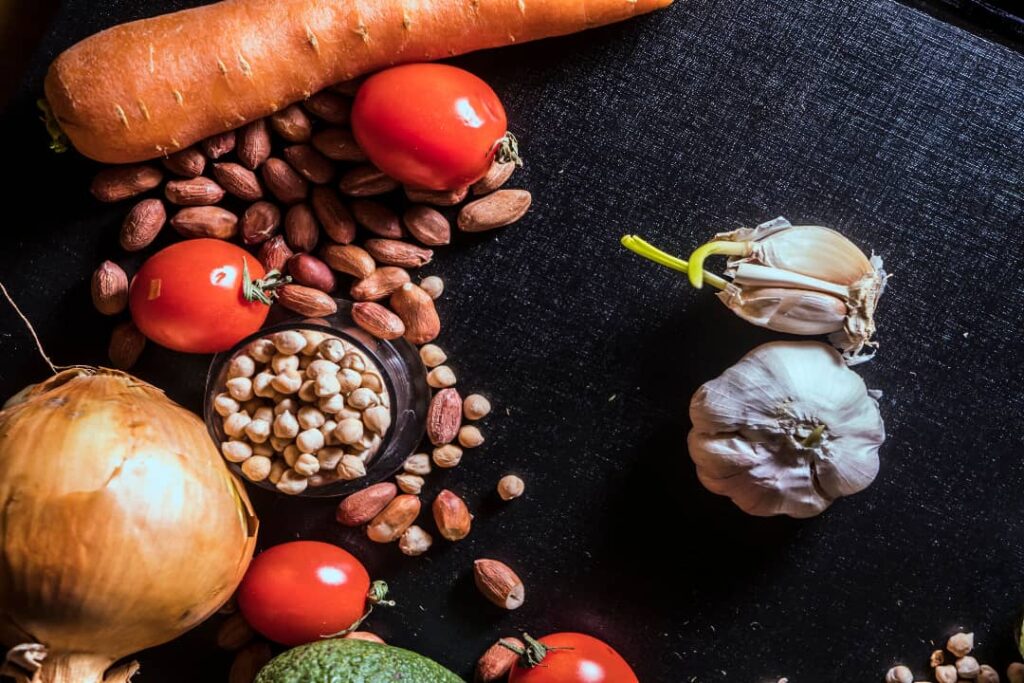
Organic food can be worth the extra cost for some people, but it is not automatically healthier or better for everyone. The value depends on what you are buying, your budget, your personal priorities, and how much importance you place on factors such as farming practices, pesticide use, animal welfare, and environmental considerations.
If your budget is limited, eating a variety of fruits, vegetables, whole grains, beans, nuts, and other nutritious foods may be more important than making everything organic.
What Does Organic Food Actually Mean?
In the United States, the term “organic” has a specific meaning when it appears on products covered by USDA organic regulations.
Organic farming generally involves specific requirements concerning how crops and livestock are produced and handled.
For example, certified organic production restricts the use of certain synthetic pesticides and fertilizers, prohibits genetically engineered organisms, and includes specific standards for livestock practices.
However, “organic” does not mean that a food is completely free of pesticides or automatically more nutritious.
Organic farming can use pesticides and other substances that are permitted under organic standards.
Is Organic Food Healthier?
This is one of the biggest questions shoppers have.
Some research has found differences between organic and conventional foods in certain nutrients or chemical exposures. However, evidence does not support the idea that every organic food is dramatically more nutritious than its conventional equivalent.
A more useful approach is to look at your overall diet.
Eating vegetables and fruit regularly is important regardless of whether they carry an organic label.
If buying organic causes you to purchase fewer fruits and vegetables because of the higher price, conventional produce can still be a nutritious and practical choice.
Does Organic Food Have Fewer Pesticides?
Organic and conventional farming use different approaches to pest management.
Organic standards restrict many synthetic pesticides, but organic crops can still be treated with approved pesticides.
Choosing organic may reduce exposure to certain agricultural chemicals, but this does not mean conventional food is unsafe.
Washing fresh produce under running water can help remove dirt and some surface residues, regardless of whether it is organic.
Why Is Organic Food More Expensive?
Organic products can cost more for several reasons.
Production costs can be higher because organic farmers may have different requirements for pest management, livestock care, certification, and handling.
Supply and demand can also affect prices.
Transportation, processing, packaging, and the retailer’s costs can contribute to the final price.
The price difference varies considerably depending on the product and where you shop.
When Might Buying Organic Make More Sense?
Some shoppers prioritize organic products because they want to reduce their exposure to certain pesticides or support specific farming practices.
You might also choose organic when:
- The price difference is manageable
- You have strong preferences about farming practices
- You want to purchase organic animal products
- You prefer certified organic production standards
- You are comfortable spending more for those priorities
There is no requirement to make every item in your grocery cart organic.
When Might Conventional Food Be the Better Choice?
For many households, budget is a major consideration.
If buying organic food significantly increases your grocery bill, conventional options can help you maintain a varied diet without overspending.
For example, buying conventional frozen vegetables may be a better choice for your budget than skipping vegetables entirely because fresh organic produce costs more.
The same applies to fruits, whole grains, beans, and other nutritious foods.
Look Beyond the Organic Label
Organic is only one factor to consider when choosing food.
Also think about:
- Nutritional value
- Added sugar
- Sodium
- Saturated fat
- Protein
- Fiber
- Portion size
- Processing
- Price
- Your overall diet
An organic cookie is still a cookie.
The organic label does not automatically make a highly processed food a healthier everyday choice.
Shop Organic Strategically
You do not have to choose between buying everything organic and buying nothing organic.
A middle-ground approach can work well.
Consider choosing organic for products where it matters most to you while buying conventional versions of other foods.
You can also compare prices between:
- Grocery stores
- Farmers markets
- Warehouse stores
- Store brands
- Seasonal produce
- Frozen foods
Sometimes the price difference is smaller than expected.
Frozen and Canned Foods Can Still Be Good Options
Fresh organic produce is not the only way to eat well.
Frozen fruits and vegetables can be convenient and nutritious. Canned vegetables and beans can also be useful pantry staples.
Check labels for added ingredients when relevant, particularly added sodium or sugar.
Choosing convenient options that you will actually eat can be more useful than buying expensive foods that go unused.
Should You Buy Organic for Children?
Parents may have additional questions about organic food because children are still growing.
It is reasonable to consider your family’s food preferences, budget, and concerns about farming practices.
However, providing children with a varied diet that includes nutritious foods is generally more important than making every item organic.
If you have specific concerns about your child’s nutrition or dietary needs, discuss them with a pediatrician or qualified dietitian.
Is Organic Food Better for the Environment?
Organic farming can have environmental advantages in certain areas, but the overall environmental impact of food production is complicated.
Factors such as:
- Land use
- Water use
- Transportation
- Crop yields
- Fertilizer use
- Soil management
- Packaging
- Food waste
can all influence environmental impact.
Therefore, it is difficult to say that every organic food is automatically better for the environment.
A Simple Way to Decide
Before paying extra for organic, ask yourself:
Do I prefer the organic production standards?
Can I comfortably afford the price difference?
Will buying organic help me make choices that fit my priorities?
Would buying conventional allow me to purchase more nutritious foods?
There is no single answer that works for every household.
Bottom Line
Organic food can be worth the extra money if its production standards, farming practices, or potential reduction in exposure to certain agricultural chemicals are important to you and fit comfortably within your budget.
However, you do not need an entirely organic grocery cart to eat a nutritious diet. If organic food is too expensive, conventional fruits, vegetables, grains, beans, and other nutritious foods remain practical choices.
The best grocery strategy is one that supports your health goals, financial situation, and personal priorities.