
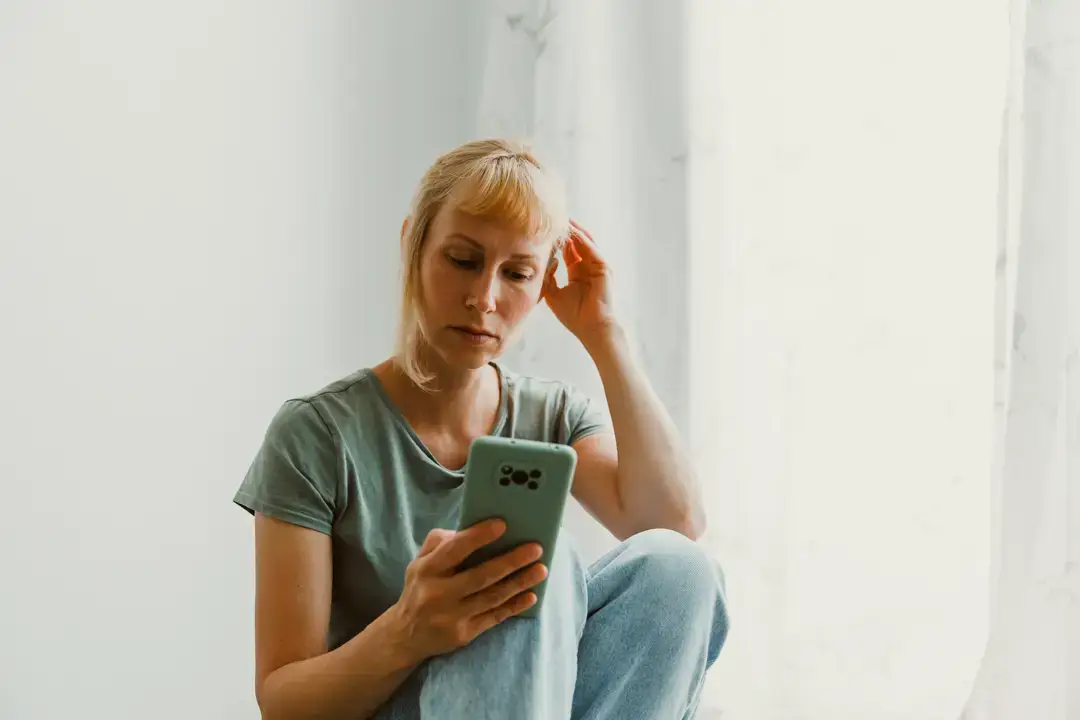
Can Social Media Affect Your Mental Health?

Key Takeaway

Yes, social media can affect your mental health, but the impact is not the same for everyone. It can strengthen relationships, provide emotional support, and offer valuable educational content. At the same time, excessive or unhealthy use may contribute to anxiety, stress, poor sleep, low self-esteem, and feelings of isolation. The key is not necessarily spending less time online, but using social media more intentionally and recognizing when it starts affecting your well-being.

For many people, social media has become part of everyday life. It helps us stay connected with friends and family, discover new ideas, follow current events, and even build careers. Whether you’re scrolling through short videos, sharing photos, participating in online communities, or messaging loved ones, these platforms have changed how people communicate.

Despite these benefits, concerns about the effects of social media on mental health continue to grow. Researchers, healthcare professionals, educators, and parents have raised important questions about how constant connectivity influences mood, self-esteem, sleep, attention, and emotional well-being.

The answer is not as simple as labeling social media as either good or bad.

Like many forms of technology, its impact depends largely on how you use it, how much time you spend on it, and how it fits into the rest of your life.

This guide explores both the positive and negative effects of social media, explains why experiences differ from person to person, highlights warning signs of unhealthy use, and offers practical strategies for maintaining a healthier relationship with your digital life.

How Social Media Can Affect Mental Health

Social media platforms are designed to capture attention and encourage regular engagement.

Features such as endless scrolling, personalized recommendations, notifications, and instant feedback can make it easy to spend far more time online than originally intended.

For some people, these habits may gradually influence emotional well-being in positive or negative ways.

Understanding both sides of the conversation helps you make informed decisions about your own social media habits.

The Potential Negative Effects of Social Media

Although social media offers many advantages, excessive or unhealthy use can contribute to emotional challenges.

Social Comparison and Lower Self-Esteem

People naturally compare themselves with others.

On social media, however, we often compare our everyday lives with carefully selected moments from someone else’s life.

Most users share:

  • Vacations
  • Achievements
  • Celebrations
  • Fitness milestones
  • Career successes

Very few people regularly post their daily struggles, failures, or disappointments.

This imbalance can create unrealistic expectations and make it seem like everyone else is happier, more successful, or more attractive.

Over time, frequent comparison may contribute to:

  • Lower self-confidence
  • Dissatisfaction with life
  • Poor body image
  • Feelings of inadequacy

Teenagers and young adults may be especially vulnerable because identity and self-esteem continue developing during these years.

Anxiety, Stress, and Fear of Missing Out

Social media creates a constant stream of updates.

Friends attend events.

Influencers travel.

Coworkers celebrate promotions.

Communities discuss breaking news.

Seeing these updates repeatedly may lead to the fear of missing out, often called FOMO.

People experiencing FOMO may:

  • Feel left behind
  • Constantly check notifications
  • Worry about missing experiences
  • Find it difficult to disconnect

This ongoing cycle can increase stress and make it harder to enjoy the present moment.

Cyberbullying and Online Harassment

Unlike traditional bullying, online harassment can continue around the clock.

Negative comments, public criticism, rumors, or targeted harassment may remain visible long after they are posted.

Cyberbullying can contribute to:

  • Anxiety
  • Depression
  • Social withdrawal
  • Low self-esteem
  • Emotional distress

Young people are particularly vulnerable, but adults also experience online harassment across many social platforms.

Sleep Problems

Many people scroll through social media immediately before bed.

This habit can interfere with healthy sleep for several reasons.

Bright screens may delay the body’s natural sleep signals, while emotionally stimulating content keeps the brain engaged long after the phone is put away.

Poor sleep may contribute to:

  • Irritability
  • Reduced concentration
  • Higher stress
  • Lower productivity
  • Increased anxiety

Even reducing evening screen time by one hour may improve sleep quality for many people.

Doomscrolling and Negative News

Another growing concern is doomscrolling.

This refers to repeatedly consuming negative news or upsetting content without taking breaks.

Although staying informed is valuable, constant exposure to stressful stories may increase:

  • Anxiety
  • Hopelessness
  • Emotional exhaustion
  • Chronic stress

Many people benefit from setting limits on how often they consume news through social platforms.

Reduced Attention and Productivity

Frequent notifications interrupt focus throughout the day.

Even short interruptions can make it difficult to return to important tasks.

Constant switching between work and social media may reduce:

  • Productivity
  • Concentration
  • Memory
  • Task completion

Many professionals find they accomplish more after limiting notifications during working hours.

The Positive Effects of Social Media

Social media is not inherently harmful.

When used intentionally, it can improve emotional well-being and strengthen relationships.

Building Meaningful Connections

For people separated by distance, social media provides valuable opportunities to stay connected.

It allows families and friends to:

  • Share important milestones
  • Maintain regular communication
  • Offer encouragement
  • Celebrate achievements

For individuals who feel isolated, online communities can create a strong sense of belonging.

Support Groups and Shared Experiences

Many people living with health conditions, grief, caregiving responsibilities, or other life challenges find comfort through online support groups.

Well-managed communities often provide:

  • Emotional encouragement
  • Practical advice
  • Shared experiences
  • Helpful resources

Knowing that others understand your situation can reduce feelings of loneliness.

Access to Reliable Information

Many qualified healthcare professionals, educators, researchers, and nonprofit organizations use social media to share evidence-based information.

Users can learn about:

  • Mental health strategies
  • Nutrition
  • Exercise
  • Stress management
  • Public health updates

As with any online information, it remains important to verify sources before accepting advice.

Creativity and Self-Expression

Social media provides a platform for people to express themselves creatively.

Many users enjoy sharing:

  • Photography
  • Art
  • Music
  • Writing
  • Educational content
  • Personal achievements

Creative expression often supports confidence and personal growth.

Why Social Media Affects Everyone Differently

No two people experience social media in exactly the same way.

Several factors influence how these platforms affect mental health.

These include:

  • Age
  • Personality
  • Existing mental health conditions
  • Social support
  • Daily habits
  • Purpose for using social media

Someone who logs in to stay connected with close friends may have a very different experience from someone who spends hours comparing themselves with strangers.

Research also suggests that active participation often produces better outcomes than passive scrolling.

Actively engaging in conversations, sharing meaningful content, and interacting with supportive communities may provide greater emotional benefits than endlessly consuming content without interaction.

Signs That Social Media May Be Affecting Your Mental Health

Occasional stress after using social media is common.

However, persistent emotional changes deserve attention.

Watch for signs such as:

  • Feeling anxious after scrolling
  • Frequently comparing yourself with others
  • Difficulty sleeping because of late-night browsing
  • Losing track of time online
  • Ignoring responsibilities
  • Feeling worse after using social media
  • Constantly checking notifications
  • Becoming upset when unable to access your accounts

Recognizing these warning signs early makes it easier to establish healthier habits.

Practical Ways to Build Healthier Social Media Habits

Improving your relationship with social media does not necessarily require deleting every account.

Small adjustments often make a meaningful difference.

Set Daily Time Limits

Most smartphones now include screen time tracking tools.

Consider limiting recreational social media use to a manageable amount each day.

You might also create technology-free periods such as:

  • During meals
  • Before work
  • During family time
  • One hour before bedtime

Consistent boundaries help prevent mindless scrolling.

Curate Your Feed Carefully

Not every account deserves your attention.

Consider unfollowing or muting profiles that consistently make you feel:

  • Stressed
  • Inadequate
  • Angry
  • Overwhelmed

Instead, follow creators and organizations that:

  • Educate
  • Inspire
  • Entertain positively
  • Encourage healthy habits

Your social media experience often reflects the content you choose to consume.

Turn Off Unnecessary Notifications

Every notification encourages another visit to the app.

Disabling nonessential alerts reduces distractions throughout the day.

Many people choose to keep notifications only for:

  • Direct messages
  • Important work communication
  • Family contacts

Reducing interruptions helps improve focus and lowers stress.

Avoid Late-Night Scrolling

Creating an evening routine without social media supports better sleep.

Instead of scrolling before bed, consider:

  • Reading a book
  • Listening to calming music
  • Journaling
  • Meditation
  • Gentle stretching

Replacing screen time with relaxing activities helps prepare your mind for restful sleep.

Use Social Media With Purpose

Ask yourself why you are opening the app.

Examples include:

  • Checking messages
  • Learning a new skill
  • Following industry news
  • Sharing your work
  • Connecting with friends

Opening social media with a specific purpose often reduces unnecessary browsing.

Take Regular Breaks

You do not have to quit permanently.

Many people benefit from short digital breaks.

Examples include:

  • A social media-free weekend
  • One evening each week offline
  • A week-long digital reset

These breaks help you notice how social media influences your mood, focus, and energy.

Strengthen Offline Relationships

Online connections are valuable, but they should not replace in-person relationships.

Make time for:

  • Family gatherings
  • Coffee with friends
  • Community events
  • Volunteer work
  • Outdoor activities

Real-world experiences often improve emotional well-being in ways social media cannot fully replicate.

A Practical Example

Consider Liam, who noticed he felt mentally exhausted after spending every evening scrolling through social media.

Instead of deleting his accounts, he made several small adjustments.

He:

  • Enabled Focus Mode after 8 p.m.
  • Unfollowed accounts that encouraged unhealthy comparisons.
  • Began following local hiking clubs and community organizations.
  • Limited social media to one hour each evening.

Within a few weeks, Liam noticed he slept better, spent more time outdoors, and eventually met new friends through a local hiking group.

His experience demonstrates that thoughtful changes often produce meaningful improvements without requiring complete disconnection.

When Should You Seek Professional Help?

If social media use begins affecting your daily functioning or emotional health, professional support may be helpful.

Consider speaking with a qualified mental health professional if:

  • Anxiety becomes overwhelming.
  • You experience persistent sadness.
  • Online interactions trigger panic attacks.
  • Social media contributes to self-harm thoughts.
  • You struggle to control your usage despite repeated attempts.

If you experience thoughts of suicide or believe you may harm yourself, seek immediate assistance from emergency services or a qualified mental health crisis resource in your area.

Frequently Asked Questions

Can social media cause depression?

Social media alone is unlikely to be the only cause of depression, but excessive use, cyberbullying, unhealthy comparison, and social isolation may contribute to depression in some individuals.

What is doomscrolling?

Doomscrolling refers to continuously reading negative news or distressing content online, often leading to increased anxiety, stress, and emotional exhaustion.

Is deleting social media necessary?

Not usually. Many people benefit from setting healthier boundaries, limiting screen time, and curating their feeds instead of permanently deleting their accounts.

How can parents help teenagers develop healthy social media habits?

Parents can encourage open communication, establish reasonable screen time limits, monitor emotional well-being, model healthy technology use, and support offline activities and friendships.

Can mindful social media use improve mental health?

Yes. Purposeful use, balanced screen time, supportive online communities, and positive content can help reduce many of the negative effects associated with excessive social media use.

Create a Social Media Experience That Supports Your Well-Being

Social media is a powerful tool that can either enrich or challenge your mental health depending on how it becomes part of your daily routine. While it offers opportunities for connection, education, creativity, and support, it can also contribute to stress, poor sleep, unhealthy comparison, and emotional fatigue when used without boundaries.

Rather than viewing social media as entirely good or bad, focus on developing habits that support your overall well-being. By limiting unnecessary screen time, choosing positive content, strengthening offline relationships, and paying attention to how you feel after using social platforms, you can enjoy the benefits while reducing many of the potential risks.


Disclaimer: This article was generated with the assistance of ChatGPT and reviewed for informational purposes. It is not intended to replace professional mental health advice, diagnosis, or treatment. If you are experiencing persistent emotional distress or concerns about your mental health, consult a qualified healthcare or mental health professional.
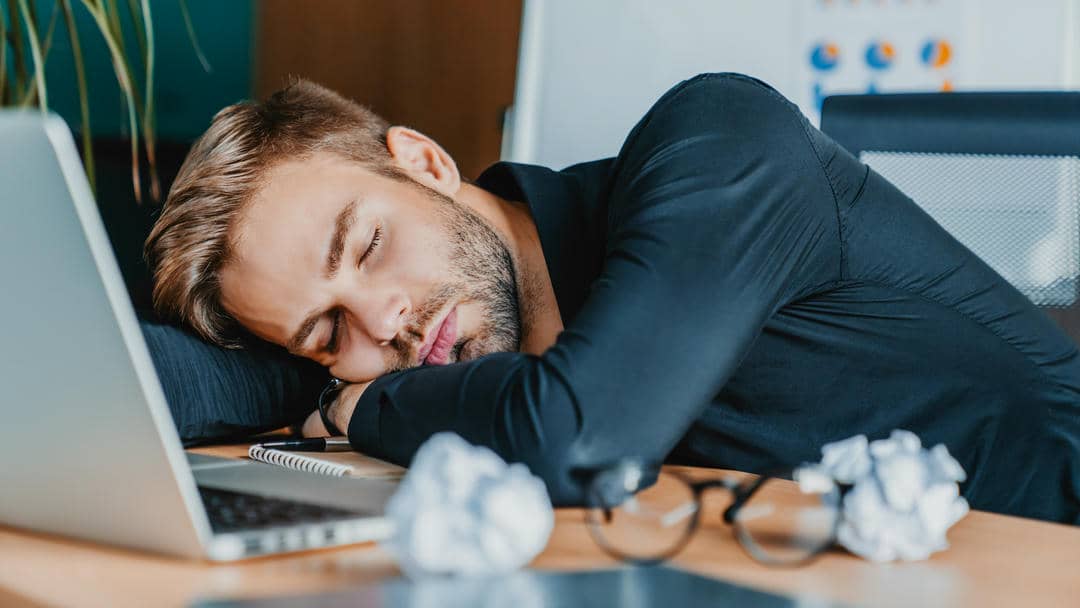

Why Am I Always Tired?

You wake up after a full night of sleep, pour your coffee, and still feel like you are running on empty. By lunchtime, your brain feels foggy, your motivation is low, and even simple tasks can feel heavier than they should.

So you ask yourself, “Why am I always tired?”

The answer is not always about sleep alone. Sometimes fatigue is connected to mental health, stress, burnout, anxiety, depression, or the constant pressure of carrying too much in your mind. When your brain is overloaded, your body often feels drained too.

The encouraging news is that you can start making changes with small, realistic steps. You do not need endless willpower. You need the right routines, better support, and a clearer understanding of what may be stealing your energy.

Key Takeaway

If you are always tired even after sleeping, your fatigue may be linked to mental health, stress, anxiety, depression, burnout, or too much cognitive load. Simple routines, small daily wins, light exposure, movement, breathing exercises, and professional support can help you rebuild steadier energy.

Watch for signs like:

  • Low mood
  • Loss of interest in things you normally enjoy
  • Constant worry
  • Racing thoughts
  • Feeling overwhelmed by basic tasks
  • Trouble focusing
  • Chronic dread
  • Mental fog
  • Feeling emotionally drained
  • Exhaustion that sleep does not fix

If fatigue lasts for weeks or affects your daily life, it may be time to speak with a healthcare or mental health professional.

What Is Mental Fatigue?

Mental fatigue is a deep feeling of low energy that is tied to mood, stress, emotions, and mental effort.

It is different from simply feeling sleepy after a late night. Mental fatigue can show up even when you technically slept enough. You may wake up tired, move through the day slowly, or feel like every decision takes extra effort.

Mental fatigue can make it harder to:

  • Focus on work
  • Make decisions
  • Start tasks
  • Finish simple chores
  • Stay patient
  • Enjoy hobbies
  • Keep up with relationships
  • Feel motivated
  • Think clearly

In simple terms, your mind may be carrying more weight than you realize.

Why Am I Always Tired? Mental Health May Be Part of the Answer

When people ask, “Why am I always tired?” they often look first at sleep, caffeine, diet, or exercise. Those things matter, but mental health can play a major role too.

Depression, anxiety, chronic stress, and burnout can all drain energy. They can also make normal life feel harder than usual.

Your brain and body are connected. When your mind is under pressure for too long, your body may respond with exhaustion.

Common Mental Health Causes of Tiredness

Several mental health factors can contribute to ongoing fatigue.

Depression

Depression can make small tasks feel huge. It may reduce motivation, lower mood, and create a heavy feeling that does not go away easily.

Depression-related fatigue may feel like:

  • Moving slowly
  • Wanting to stay in bed
  • Losing interest in activities
  • Feeling emotionally flat
  • Struggling to start basic tasks
  • Feeling tired even after rest

Anxiety

Anxiety can keep your nervous system on high alert. Even if you are sitting still, your mind may be racing.

Anxiety-related fatigue may come from:

  • Constant worry
  • Muscle tension
  • Racing thoughts
  • Trouble relaxing
  • Poor sleep quality
  • Feeling mentally “on” all day

When your body stays in alert mode too long, it can leave you feeling worn out.

Chronic Stress

Stress is normal in small amounts. But when stress becomes constant, it can drain your energy and reduce your ability to recover.

Chronic stress may come from:

  • Work pressure
  • Family responsibilities
  • Financial worries
  • Health concerns
  • Relationship tension
  • Too many daily demands

Over time, stress can make you feel tired, irritable, and less resilient.

Burnout

Burnout often happens when you push for too long without enough rest, support, or meaning.

Burnout may feel like:

  • Emotional exhaustion
  • Low motivation
  • Feeling detached
  • Reduced productivity
  • Cynicism
  • Difficulty caring about tasks
  • Needing more recovery time than usual

Burnout is not laziness. It is often a sign that your system has been running too hard for too long.

Trauma-Related Symptoms

Trauma can also affect energy. If your nervous system is constantly scanning for danger, your body may feel exhausted.

Trauma-related fatigue may be connected to:

  • Hypervigilance
  • Sleep problems
  • Emotional triggers
  • Feeling unsafe
  • Tension in the body
  • Difficulty relaxing

These causes can overlap. For example, anxiety can affect sleep, poor sleep can worsen mood, and low mood can reduce activity. That cycle can make tiredness feel hard to break.

Checklist: Mental Health Signs to Watch For

Pay attention if your tiredness comes with:

  • Low mood most days
  • Loss of interest in things you usually enjoy
  • Constant worry or tension
  • Racing thoughts
  • Feeling overwhelmed by routine tasks
  • Trouble making decisions
  • Chronic dread
  • Irritability
  • Brain fog
  • Social withdrawal
  • Feeling hopeless
  • Changes in sleep or appetite
  • Feeling like you are never fully rested

These signs do not mean something is “wrong” with you. They mean your mind and body may be asking for care.

How Stress and Overthinking Drain Energy

Have you ever felt physically tired even though you did not do much physically? That can happen when your brain is doing too much behind the scenes.

Stress, rumination, and decision fatigue can quietly burn through energy.

Decision Fatigue

Decision fatigue happens when your brain gets worn down from making too many choices.

Even small choices add up:

  • What should I answer first?
  • What should I eat?
  • Should I reply now?
  • What if I make the wrong decision?
  • How do I handle this problem?

By the end of the day, your brain may feel overloaded.

Cognitive Load

Cognitive load is the mental effort required to hold information, plan, remember, and solve problems.

High cognitive load can make it harder to:

  • Focus
  • Prioritize
  • Stay calm
  • Remember details
  • Make decisions
  • Complete tasks

When your mind is carrying too much, fatigue can build quickly.

Rumination

Rumination means repetitive negative thinking. It is when your mind keeps replaying the same worries, mistakes, fears, or conversations.

Rumination can make you feel stuck because your brain keeps working without actually solving the problem.

It may sound like:

  • “What if I mess this up?”
  • “Why did I say that?”
  • “What if something bad happens?”
  • “I should have done better.”
  • “I cannot stop thinking about this.”

This kind of mental loop can increase stress and make your body feel heavy.

Practical Routines That Can Help Boost Energy

You do not need a perfect routine to feel better. You need a simple routine that lowers mental load and gives your day more structure.

Predictable habits help your brain use less energy on constant decision-making.

Three-Step Daily Plan

Try this simple daily rhythm.

1. Morning Reset

Start your day with:

  • 10 minutes of sunlight
  • 300 to 500 ml of water
  • One small win task

A small win could be making your bed, washing your face, opening the curtains, or writing down your top priority for the day.

The goal is momentum, not perfection.

2. Midday Recharge

Around midday, try:

  • A 15-minute walk
  • Gentle stretching
  • Mindful breathing
  • A short break away from screens
  • A quiet lunch without scrolling

This gives your mind a reset before the afternoon slump hits.

3. Evening Wind-Down

At night, create a calming routine with:

  • A screen curfew 60 minutes before bed
  • Dimmer lights
  • Gentle stretching
  • Journaling
  • Relaxing music
  • Reading
  • Slow breathing

A calming evening routine tells your brain it is safe to slow down.

Evidence-Based Coping Strategies

Several practical mental health strategies can help reduce fatigue over time.

Behavioral Activation

Behavioral activation means scheduling small, meaningful actions that support mood and energy.

When you feel tired or low, waiting for motivation can backfire. Action often comes first, and motivation follows.

Try small activities like:

  • Taking a short walk
  • Texting a friend
  • Doing one load of laundry
  • Sitting outside
  • Preparing a simple meal
  • Listening to music
  • Completing one easy work task

Small actions can create positive momentum.

CBT Techniques

CBT stands for cognitive behavioral therapy. CBT strategies help you notice unhelpful thoughts and replace them with more realistic ones.

For example:

  • Instead of “I never get anything done,” try “I am tired today, but I can complete one small task.”
  • Instead of “Everything is too much,” try “I can focus on the next step.”
  • Instead of “I should be doing better,” try “I am learning how to support myself.”

This shift can reduce rumination and make tasks feel more manageable.

Self-Compassion

Self-compassion means treating yourself with the same kindness you would offer a friend.

It may sound simple, but it can reduce shame and emotional pressure.

Try saying:

  • “This is hard, and I am doing my best.”
  • “I do not need to fix everything today.”
  • “One small step still counts.”
  • “Rest is not failure.”
  • “I can ask for support.”

Kind self-talk can help calm the nervous system and reduce mental exhaustion.

Small Habits That Make a Big Difference

Tiny habits can have a real impact when you repeat them consistently.

Try adding:

  • 10 minutes of morning sunlight
  • A short walk after meals
  • A glass of water first thing in the morning
  • A few deep breaths before checking your phone
  • A five-minute tidy-up
  • A short journaling session
  • A simple bedtime routine
  • A limit on late-night scrolling
  • A break from doomscrolling
  • Gentle stretching before bed

These habits may seem small, but they can reduce overstimulation and help your energy feel steadier.

What to Limit When You Feel Mentally Drained

Sometimes improving energy is not only about adding habits. It is also about removing drains.

Consider reducing:

  • Late caffeine
  • Too much social media
  • Doomscrolling
  • Multitasking
  • Overcommitting
  • Skipping breaks
  • Saying yes when you need rest
  • Working through exhaustion every day
  • Comparing your pace to others

Your energy is valuable. Protecting it matters.

When to Seek Professional Help

It may be time to seek support if tiredness lasts for weeks, affects daily functioning, or comes with emotional distress.

Consider talking to a professional if you experience:

  • Persistent low mood
  • Hopelessness
  • Panic symptoms
  • Severe anxiety
  • Trauma symptoms
  • Loss of interest in life
  • Difficulty working or studying
  • Changes in sleep or appetite
  • Fatigue that does not improve with basic self-care

You can say something simple like:

“I feel exhausted most days and low in motivation. Can we assess for depression or anxiety and discuss therapy options?”

That gives your clinician a clear starting point.

Support may include:

  • Therapy
  • Mental health screening
  • Stress management strategies
  • Lifestyle changes
  • Medical evaluation
  • Medication discussion if appropriate
  • Support groups

Asking for help is not a weakness. It is a practical step toward feeling better.

Quick Do’s and Don’ts

Do:

  • Schedule one small win daily
  • Get morning sunlight
  • Drink water early
  • Take short movement breaks
  • Practice slow breathing
  • Keep a simple routine
  • Reduce late-night screen time
  • Ask for support when fatigue persists

Don’t:

  • Ignore persistent low mood
  • Push through exhaustion without recovery
  • Compare your pace to others
  • Rely only on caffeine
  • Doomscroll before bed
  • Overload your schedule
  • Blame yourself for feeling tired
  • Wait too long to seek help

A Better Way to Understand Your Energy

If you keep asking, “Why am I always tired?” try looking beyond sleep alone. Mental health, stress, anxiety, depression, burnout, and cognitive load can all play a role in persistent fatigue.

Start small. Add sunlight, movement, structure, breathing, and one meaningful daily action. Practice kinder self-talk. Reduce mental clutter where you can. If tiredness continues or begins to affect your daily life, reach out for professional support.

You deserve energy that feels steadier, clearer, and easier to maintain.

Disclaimer: This content was generated by ChatGPT and should be reviewed by a qualified professional before using it as medical advice.

Why Mental Wellness Is Just as Important as Physical Health?

Mental health affects how people think, feel, respond to stress, and interact with others. Yet many people spend more time focusing on physical appearance than mental well-being.

Modern life can be overwhelming. Constant notifications, demanding schedules, financial pressure, and information overload create stress that many people carry every day.

Taking care of mental wellness is not a luxury. It is an essential part of living a healthy and balanced life.

Stress Has Real Physical Effects

Stress affects both the mind and body.

Chronic stress may contribute to headaches, fatigue, poor sleep, digestive problems, and difficulty concentrating.

When stress becomes overwhelming, it can negatively impact relationships, productivity, and overall quality of life.

Managing stress starts with recognizing its effects and building healthier coping habits.

Sleep and Mental Wellness Are Connected

Poor sleep and mental health often influence each other.

People who do not get enough sleep may experience irritability, reduced focus, and increased anxiety. At the same time, stress and anxiety can make it harder to fall asleep.

Improving sleep habits can support both physical and mental wellness.

Reducing screen time before bed, following a regular sleep schedule, and limiting caffeine late in the day may help improve sleep quality.

Social Connection Matters

Humans are naturally social. Positive relationships can improve emotional well-being and reduce feelings of isolation.

Spending time with supportive friends and family members can help people manage stress more effectively.

Even simple conversations and shared experiences can positively affect mental health.

Taking Breaks Is Important

Many people feel pressure to remain productive constantly. However, working nonstop often leads to burnout.

Rest is necessary for mental recovery.

Taking breaks throughout the day, spending time outdoors, or participating in enjoyable hobbies can help improve mental clarity.

People are often more productive when they allow themselves time to recharge.

Healthy Habits Support Mental Wellness

Physical and mental health are closely connected.

Regular exercise, nutritious foods, hydration, and proper sleep all support emotional well-being.

Movement can help reduce stress and improve mood naturally.

Simple lifestyle habits often have a larger impact on mental wellness than people realize.

Mindfulness Can Help Reduce Stress

Mindfulness involves paying attention to the present moment instead of constantly worrying about the future.

Simple mindfulness practices such as deep breathing, meditation, journaling, or quiet reflection may help people feel calmer and more focused.

These practices do not need to be complicated or time-consuming.

Final Thoughts

Mental wellness deserves the same attention as physical health.

Small habits that reduce stress, improve sleep, and support emotional balance can create meaningful long-term benefits.

Taking care of the mind is one of the healthiest choices people can make.

Content generated by ChatGPT.