
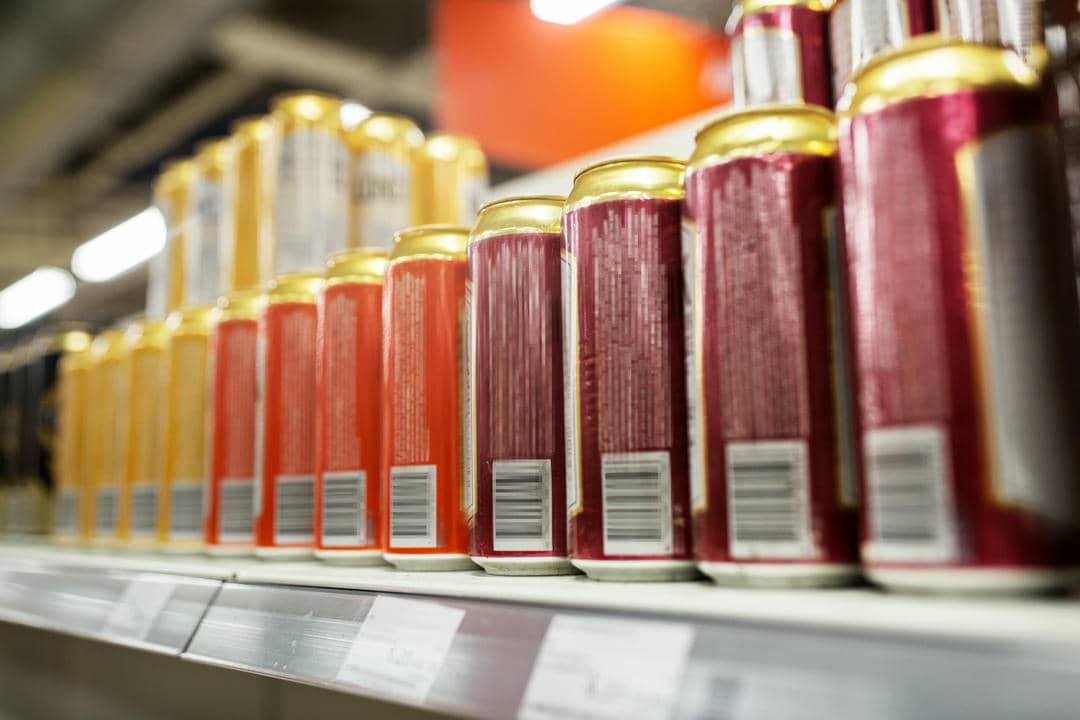
It is 3 PM, your focus starts fading, and your to-do list still looks way too long. You reach for an energy drink because it feels like the fastest fix. A few minutes later, you feel awake, alert, and ready to power through.
Then comes the crash.
Your energy dips again, your focus gets fuzzy, and now you may feel jittery, restless, or wired when you should be winding down later. So, are energy drinks bad for you, or are they just another caffeine option?
The answer is not one-size-fits-all. Energy drinks can be okay for some healthy adults in moderation, but they can also cause problems when used too often, too late in the day, or by people who are more sensitive to caffeine.
Key Takeaway
Energy drinks are not automatically bad for every person, but they can become risky when you drink too much, rely on them daily, mix them with alcohol, or have certain health concerns.
Energy drinks may cause:
- Jitters
- Fast heartbeat
- Headaches
- Energy crashes
- Trouble sleeping
- Stomach discomfort
- Higher blood pressure
- Anxiety symptoms
- Dental issues from sugar and acidity
For many healthy adults, moderate caffeine intake may be manageable. However, teens, pregnant people, people with heart conditions, and those sensitive to caffeine should be especially careful or avoid energy drinks altogether.
What Are Energy Drinks?
Energy drinks are beverages marketed to boost alertness, focus, stamina, and energy. They are often used during long workdays, workouts, study sessions, road trips, or afternoon slumps.
Most energy drinks contain a mix of ingredients such as:
- Caffeine
- Sugar or artificial sweeteners
- B vitamins
- Taurine
- Guarana
- Flavorings
- Herbal extracts
- Electrolytes in some formulas
Caffeine is usually the main ingredient responsible for the “energy” feeling. It stimulates the nervous system and can make you feel more awake for a short period of time.
However, some energy drinks also include guarana, which contains additional caffeine. That means the total caffeine effect may be stronger than you realize.
What Happens After You Drink One?
After drinking an energy drink, you may feel more alert within minutes. Your heart rate may rise, your brain may feel more awake, and your tiredness may temporarily fade.
That sounds helpful, especially during a busy day.
But the effects can come with trade-offs.
Short-term effects may include:
- Increased alertness
- Faster heartbeat
- Jitters
- Shakiness
- Restlessness
- Headache
- Upset stomach
- Trouble focusing after the buzz wears off
- Irritability
- Energy crash later
Some people tolerate caffeine well. Others feel uncomfortable after even a small amount.
Why the Crash Happens
Many energy drinks contain both caffeine and sugar. Caffeine gives a quick boost, while sugar can provide fast fuel. The problem is that fast fuel may not last long.
After the initial lift, your energy may drop again. This can leave you feeling:
- Sleepy
- Moody
- Foggy
- Hungry
- Unfocused
- More tempted to grab another drink
That cycle can become frustrating. You drink one for energy, crash later, then feel like you need another one to keep going.
Checklist: Common Side Effects and What to Do
If you drink an energy drink and feel off, try these simple steps.
Jitters or Fast Heartbeat
Try:
- Stop drinking it
- Sip water
- Sit down for a few minutes
- Take slow breaths
- Avoid more caffeine that day
- Eat a balanced snack if you have not eaten
Energy Crash
Try:
- Eat protein and fiber
- Take a short walk
- Drink water
- Avoid grabbing another sugary drink
- Step away from screens for a few minutes
Sleep Trouble
Try:
- Avoid caffeine after early afternoon
- Keep your bedroom dark and cool
- Use a calming evening routine
- Avoid late scrolling
- Switch to caffeine-free drinks later in the day
Headache or Stomach Discomfort
Try:
- Hydrate
- Eat a simple meal or snack
- Avoid drinking energy drinks on an empty stomach
- Reduce your caffeine dose next time
- Take a break from energy drinks for a few days
Long-Term Health Concerns
Having one energy drink once in a while may not cause problems for a healthy adult. But frequent or high intake can create concerns over time.
Potential long-term concerns include:
- Poor sleep quality
- Increased blood pressure
- Caffeine dependence
- More anxiety or restlessness
- Dental enamel damage
- Weight gain from sugary versions
- Blood sugar spikes
- Heart rhythm concerns in sensitive people
- More frequent headaches
Sugar-heavy energy drinks can also affect teeth because they are often acidic. Acid and sugar together can increase the risk of tooth decay.
If you are using energy drinks every day just to function, that may be a sign to look at sleep, stress, hydration, meals, and overall routine.
Heart Health and Energy Drinks
One of the biggest concerns with energy drinks is how they may affect the heart.
Caffeine can raise heart rate and blood pressure. For some people, that may lead to palpitations or an uncomfortable racing feeling.
An arrhythmia is an irregular heartbeat. It can feel like fluttering, skipping, pounding, or racing in the chest. If this happens often or feels severe, it is important to seek medical attention.
Risk may be higher if you:
- Drink large amounts of caffeine
- Drink multiple energy drinks in one day
- Mix energy drinks with alcohol
- Have an existing heart condition
- Take stimulant medication
- Are sensitive to caffeine
- Have anxiety or panic symptoms
If energy drinks make your heart race, make you dizzy, or cause chest discomfort, stop using them and talk to a healthcare professional.
Who Should Avoid Energy Drinks?
Energy drinks are not a great choice for everyone.
Some groups should avoid them or be especially cautious.
Teens
Teens are more sensitive to caffeine, and their brains and bodies are still developing. Energy drinks can affect sleep, mood, focus, and heart rate.
Pregnant People
Pregnant people are usually advised to limit caffeine. Energy drinks can contain high caffeine levels and other ingredients that may not be ideal during pregnancy.
People With Heart Conditions
If you have heart disease, high blood pressure, arrhythmias, or palpitations, energy drinks may increase symptoms.
People With Anxiety
Caffeine can worsen anxiety, restlessness, and panic symptoms in some people.
People Sensitive to Caffeine
If a small amount of caffeine makes you shaky, wired, anxious, or unable to sleep, energy drinks are probably not the best choice.
How Much Is Too Much?
For most healthy adults, total caffeine intake should generally stay under about 400 mg per day. That includes caffeine from all sources, not just energy drinks.
Caffeine sources may include:
- Coffee
- Tea
- Energy drinks
- Soda
- Pre-workout supplements
- Chocolate
- Some medications
- Guarana-containing products
The tricky part is that energy drinks vary widely. Some have modest caffeine levels, while others contain much higher amounts. Always check the label.
Also, timing matters. Even if your total caffeine is within a reasonable range, drinking it too late can still hurt your sleep.
A smart rule is to avoid caffeine after early afternoon, especially if you have trouble falling asleep.
Three-Step Plan to Test Your Tolerance
If you are a healthy adult and want to understand how energy drinks affect you, test your tolerance carefully.
1. Start Small
Try a small serving in the morning. Do not drink it quickly. Track how you feel for the next two hours.
Watch for:
- Jitters
- Racing heart
- Anxiety
- Headache
- Stomach discomfort
- Better focus
- Energy crash
2. Avoid Late-Day Caffeine
If you tolerate it well, keep caffeine earlier in the day. Try to stop by 2 PM or earlier if sleep is an issue.
3. Reassess Your Sleep and Energy
If you feel wired at night, sleep poorly, or crash later, cut back or take a break for a week.
This helps you learn your real limit instead of guessing.
Smarter Alternatives for Energy
Energy drinks are not the only way to wake up your brain. There are better options that can help without the same crash.
Try:
- Water with lemon or citrus
- Unsweetened tea
- Black coffee
- Green tea
- Sparkling water
- A protein-rich snack
- A short walk
- Light stretching
- A 10 to 15 minute nap
- A few minutes of sunlight
- Deep breathing
- A quick break away from screens
Sometimes your body is not asking for caffeine. It may be asking for hydration, food, movement, or rest.
Quick Energy-Boosting Snack Ideas
If your afternoon energy drops, food may help more than another drink.
Try snacks with protein and fiber, such as:
- Greek yogurt with berries
- Apple slices with peanut butter
- Whole grain toast with avocado
- Nuts and fruit
- Hummus with vegetables
- Boiled eggs
- Cottage cheese with fruit
- Oatmeal with chia seeds
- Turkey roll-ups
- Protein smoothie with low sugar
These options provide steadier fuel than a sugary drink.
How to Reduce Energy Drink Dependence
If energy drinks have become a daily habit, you do not have to quit all at once. Gradual changes can work well.
Try these steps:
- Cut your serving size in half
- Switch to a lower-caffeine drink
- Replace one energy drink with tea
- Drink water before caffeine
- Eat breakfast with protein
- Take a short walk during your slump
- Stop keeping energy drinks at your desk
- Set a caffeine cutoff time
- Track how much caffeine you actually drink
Small changes can make your energy feel more stable over time.
Quick Do’s and Don’ts
Do:
- Check caffeine labels
- Count total caffeine from all sources
- Choose lower-sugar options
- Drink water throughout the day
- Eat balanced meals
- Stop caffeine early enough to protect sleep
- Pay attention to heart symptoms
- Take breaks from daily use if needed
Don’t:
- Mix energy drinks with alcohol
- Drink them late in the day
- Use them to replace sleep
- Drink multiple cans without checking caffeine content
- Ignore jitters or palpitations
- Rely on sugar for daily energy
- Assume “natural” ingredients mean risk-free
- Give energy drinks to children or teens
A Better Way to Beat the Afternoon Slump
So, are energy drinks bad for you? They can be, especially if you drink them often, consume too much caffeine, choose high-sugar versions, or have health conditions that make caffeine risky.
For healthy adults, occasional moderate use may be okay. The key is to know your limits, avoid late-day caffeine, choose lower-sugar options, and pay attention to how your body responds.
If your energy crashes every afternoon, look beyond the can. Better sleep, hydration, balanced meals, short walks, and smarter caffeine timing can help you feel more focused without the rollercoaster.
Disclaimer: This content was generated by ChatGPT and should be reviewed by a qualified professional before using it as medical advice.