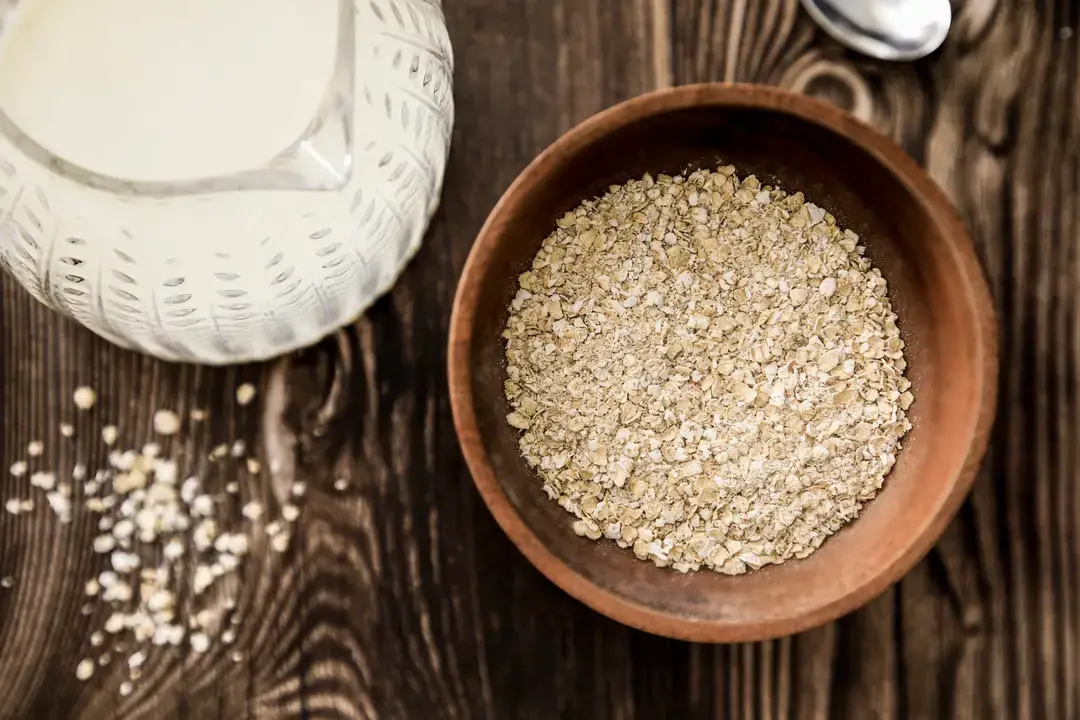
Walk into almost any coffee shop today and you’ll probably see oat milk listed right alongside dairy milk. It has become one of the most popular plant-based alternatives in the United States, praised for its creamy texture, dairy-free benefits, and environmental advantages.
But popularity doesn’t always mean healthy.
Many people wonder whether oat milk is actually good for them or if it’s just another food trend. The answer is more nuanced than a simple yes or no.
Some oat milk products contain beneficial nutrients and heart-friendly fiber, while others are packed with added sugars and unnecessary ingredients. Whether oat milk deserves a place in your daily routine depends largely on the product you choose and your personal health goals.
Key Takeaway: Is Oat Milk Good for You?
Yes, oat milk can be a healthy choice for many people, especially when you choose an unsweetened, fortified variety.
Benefits of Oat Milk
- Dairy-free and lactose-free
- Contains heart-friendly beta-glucan fiber
- Often fortified with calcium, vitamin D, and vitamin B12
- Suitable for vegan and plant-based diets
- Lower environmental impact than dairy milk
Potential Drawbacks
- Often higher in carbohydrates than other plant milks
- Some brands contain added sugars
- Lower in protein than dairy milk and soy milk
- May include added oils and stabilizers
- Can raise blood sugar more quickly than lower-carb alternatives
For most healthy adults, oat milk can be part of a balanced diet when consumed in moderation and chosen carefully.
What Is Oat Milk?
Oat milk is a plant-based beverage made by blending oats with water and filtering out the remaining solids. The result is a smooth, creamy drink that naturally has a mild sweetness.
Its texture is one of the main reasons for its popularity. Unlike some plant-based milks that can feel watery, oat milk closely resembles the richness of dairy milk, making it especially popular in coffee drinks, cereal, smoothies, and baking.
Most commercial oat milk products sold in the United States are fortified with nutrients such as:
- Calcium
- Vitamin D
- Vitamin B12
- Riboflavin
- Vitamin A
Many brands also add oils like sunflower oil or canola oil to improve texture and create a creamier mouthfeel.
Homemade oat milk is much simpler. It usually contains only oats and water. While this may appeal to people seeking fewer ingredients, homemade versions generally lack the added vitamins and minerals found in fortified store-bought products.
Why Has Oat Milk Become So Popular?
The rise of oat milk didn’t happen by accident.
Consumers are increasingly looking for alternatives to dairy due to concerns about digestion, sustainability, allergies, and dietary preferences.
Oat milk checks several important boxes:
- It is naturally lactose-free.
- It works well in coffee without separating.
- It has a creamy consistency.
- It is suitable for vegans.
- It has a smaller environmental footprint than dairy production.
For people who dislike the taste of almond milk or have soy allergies, oat milk often becomes the preferred alternative.
Oat Milk Nutrition Facts
The exact nutritional content varies by brand, but a typical one-cup serving of unsweetened fortified oat milk contains approximately:
Macronutrients
- Calories: 80 to 120
- Carbohydrates: 12 to 16 grams
- Fiber: 1 to 3 grams
- Protein: 2 to 4 grams
- Fat: 2 to 5 grams
- Sugar: 0 to 7 grams
Common Fortified Nutrients
- Calcium: 20% to 30% Daily Value
- Vitamin D: 15% to 25% Daily Value
- Vitamin B12: 20% to 50% Daily Value
One reason oat milk tastes naturally sweeter than almond milk is its carbohydrate content. During processing, some oat starches break down into simpler sugars, creating a mildly sweet flavor even when no sugar is added.
What Makes Oat Milk Different From Other Plant Milks?
One unique feature of oat milk is its beta-glucan content.
What Is Beta-Glucan?
Beta-glucan is a type of soluble fiber naturally found in oats. Research has shown that it may help:
- Lower LDL cholesterol
- Support heart health
- Improve feelings of fullness
- Promote healthy digestion
This is one advantage oat milk has over many other plant-based alternatives, which often contain little or no fiber.
Although the amount of beta-glucan varies by product and processing method, it remains one of oat milk’s most notable nutritional benefits.
Health Benefits of Oat Milk
Supports Heart Health
The soluble fiber found in oats has been linked to improved cholesterol levels. Beta-glucans may help reduce LDL cholesterol by binding to cholesterol-rich bile acids and helping remove them from the body.
Over time, this may contribute to better cardiovascular health.
Lactose-Free and Dairy-Free
Millions of Americans experience lactose intolerance, which can cause symptoms such as:
- Bloating
- Gas
- Stomach discomfort
- Diarrhea
Because oat milk contains no lactose, it can be a comfortable alternative for those who struggle to digest dairy products.
Suitable for Vegan Diets
Oat milk contains no animal products, making it a convenient option for people following vegan or plant-based eating patterns.
When fortified, it can also help provide nutrients that may be harder to obtain from a strictly plant-based diet, including vitamin B12 and vitamin D.
Provides Important Nutrients
Many fortified oat milk products contain calcium levels similar to dairy milk.
This can help support:
- Bone health
- Muscle function
- Nerve signaling
- Overall wellness
Environmentally Friendly Choice
Many consumers choose oat milk for environmental reasons.
Compared to dairy milk, oat milk generally requires:
- Less water
- Less land
- Lower greenhouse gas emissions
Compared to almond milk, oat milk also tends to have a smaller water footprint.
Are There Any Downsides to Oat Milk?
Despite its benefits, oat milk is not perfect.
Understanding the potential drawbacks can help you make better purchasing decisions.
Higher Carbohydrate Content
Oat milk contains significantly more carbohydrates than almond milk.
For people who closely monitor carbohydrate intake, this may be an important consideration.
A single serving can contain three to four times the carbohydrates found in unsweetened almond milk.
Added Sugars Can Add Up
Not all oat milk products are created equally.
Some flavored and sweetened varieties contain added sugars that increase calorie intake and may contribute to blood sugar spikes.
Common sweetened varieties can contain:
- 7 to 10 grams of sugar per serving
- Additional flavorings
- Extra calories
Choosing unsweetened products is usually the healthier option.
Lower Protein Than Dairy and Soy
Protein is one area where oat milk falls behind.
A typical serving contains:
- Oat milk: 2 to 4 grams
- Dairy milk: About 8 grams
- Soy milk: About 7 to 8 grams
If you’re an athlete, older adult, or someone focused on increasing protein intake, oat milk may not provide enough protein on its own.
Added Oils and Stabilizers
Many commercial brands add ingredients to improve texture and shelf stability.
These may include:
- Sunflower oil
- Canola oil
- Gums
- Stabilizers
- Emulsifiers
While these ingredients are generally considered safe, some consumers prefer products with simpler ingredient lists.
Gluten Concerns
Oats themselves do not naturally contain gluten.
However, cross-contamination can occur during harvesting, processing, or packaging.
Individuals with celiac disease or gluten sensitivity should look for products labeled:
Certified Gluten-Free
Is Oat Milk Good for Weight Loss?
Oat milk can fit into a weight-loss plan, but it should not be viewed as a weight-loss food.
Compared with unsweetened almond milk, oat milk generally contains:
- More calories
- More carbohydrates
- More natural sugars
That doesn’t automatically make it unhealthy.
In fact, its creamy texture and fiber content may help some people feel more satisfied, potentially reducing overall calorie intake later in the day.
If weight management is your goal:
- Choose unsweetened varieties
- Watch portion sizes
- Consider total daily calorie intake
Is Oat Milk Good for Blood Sugar Control?
People with diabetes or prediabetes may need to be more selective when choosing oat milk.
Because oat milk contains more carbohydrates than many other plant-based alternatives, it can have a greater effect on blood glucose levels.
To minimize blood sugar spikes:
Choose Products That Are:
- Unsweetened
- High in fiber
- Low in added sugars
Pair Oat Milk With:
- Protein-rich foods
- Healthy fats
- Balanced meals
This can help slow digestion and reduce rapid rises in blood sugar.
Oat Milk vs Dairy Milk
Dairy Milk Advantages
- Higher protein content
- Naturally rich in calcium
- Naturally contains vitamin B12
- Excellent source of complete protein
Oat Milk Advantages
- Lactose-free
- Cholesterol-free
- Contains fiber
- Suitable for vegans
- Easier for many people to digest
The better option depends on your nutritional priorities.
If protein is your main concern, dairy milk typically wins. If digestion, sustainability, or avoiding dairy matters most, oat milk may be the better fit.
Oat Milk vs Almond Milk
Oat Milk
- Creamier texture
- More carbohydrates
- More calories
- Contains fiber
Almond Milk
- Lower calorie content
- Lower carbohydrate content
- Usually very low in protein
- Thinner texture
People focused on weight loss or blood sugar control often prefer unsweetened almond milk, while those seeking a richer texture frequently choose oat milk.
Oat Milk vs Soy Milk
Soy milk remains one of the most nutritionally balanced plant-based options.
Oat Milk
- Creamier texture
- Naturally sweet flavor
- Lower protein
Soy Milk
- Higher protein
- Nutritionally closer to dairy milk
- Often recommended for those seeking a plant-based protein source
If protein intake is important, soy milk is often the stronger choice.
How to Choose a Healthy Oat Milk
Reading labels is one of the easiest ways to make a healthier choice.
Look For:
- Unsweetened varieties
- Calcium fortification
- Vitamin D fortification
- Vitamin B12 fortification
- Minimal ingredients
Limit Products With:
- Added sugars
- Artificial flavorings
- Excess oils
- Long ingredient lists
A quick glance at the nutrition label can make a significant difference in the overall quality of the product you choose.
Should You Drink Oat Milk?
Oat milk can absolutely be part of a healthy diet.
For people who avoid dairy, follow a plant-based lifestyle, or simply enjoy its taste and texture, it offers several nutritional benefits along with impressive versatility.
The key is choosing the right product. Unsweetened, fortified varieties tend to provide the greatest nutritional value while avoiding unnecessary sugars and additives.
Like most foods, oat milk is neither a miracle health food nor something to avoid entirely. It works best when it aligns with your personal nutrition goals, whether those goals involve heart health, sustainability, digestion, or simply finding a milk alternative you enjoy.
Disclaimer
This article was created with the assistance of ChatGPT and reviewed for readability and informational purposes. Readers should not consider this content medical advice. Always consult a qualified healthcare professional regarding specific dietary or health concerns.