
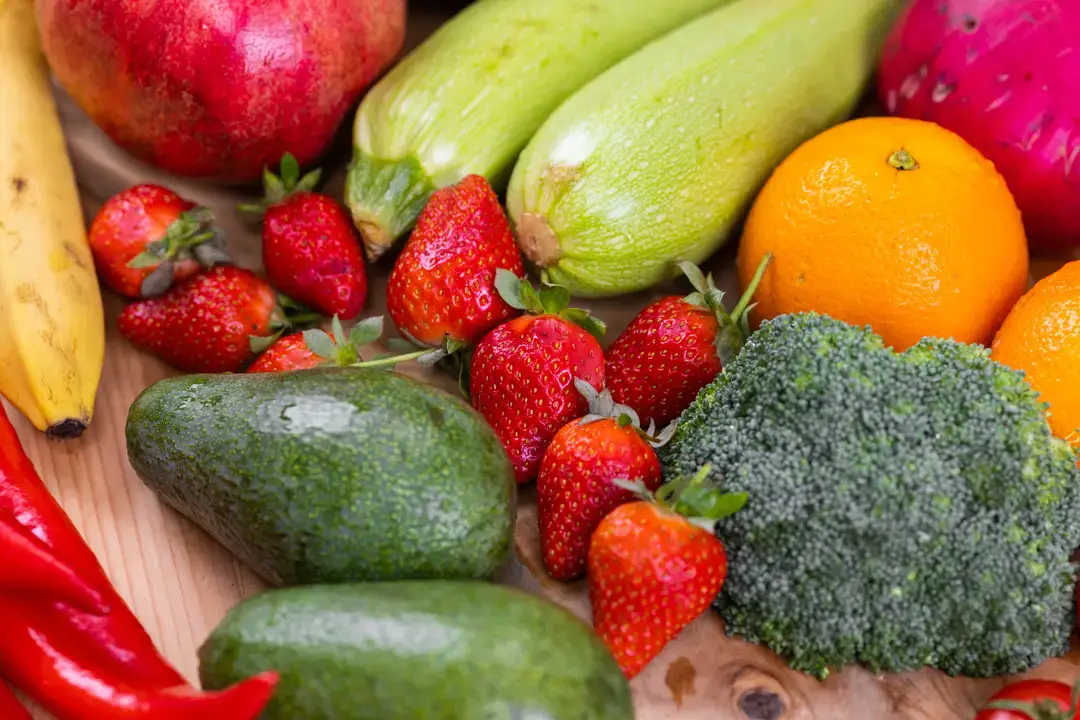
You may not notice chronic inflammation the same way you notice a cut or a bruise. It does not always come with obvious symptoms. Instead, it can show up as lingering fatigue, stiff joints, brain fog, digestive discomfort, or a general feeling that your body is not performing at its best.
The good news is that you do not need an extreme diet, expensive supplements, or complicated meal plans to support a healthier inflammatory response. Small, consistent food choices can make a meaningful difference over time.
Key Takeaway
If you want to reduce inflammation naturally, focus on eating more whole foods such as fatty fish, berries, leafy greens, beans, nuts, olive oil, and fermented foods. At the same time, cut back on sugary drinks, heavily processed snacks, and refined carbohydrates. The goal is not perfection. It is creating eating habits that support your body every day.
What Is Inflammation?
Inflammation is your body’s natural defense system. When you get injured or catch an infection, your immune system triggers inflammation to help protect and heal damaged tissue.
In the short term, this response is beneficial. It helps your body recover.
Problems can develop when inflammation becomes chronic. Instead of switching off after the threat is gone, the body remains in a low-level inflammatory state for months or even years.
Researchers have linked chronic inflammation to a variety of health concerns, including:
- Heart disease
- Type 2 diabetes
- Arthritis
- Obesity
- Certain autoimmune conditions
- Cognitive decline
Food alone cannot eliminate chronic inflammation, but it can significantly influence how much inflammation is present in the body over time.
Acute vs. Chronic Inflammation
Understanding the difference helps explain why diet matters.
Acute Inflammation
Acute inflammation is temporary and usually beneficial.
Examples include:
- Swelling after an ankle sprain
- Redness around a cut
- Fever during an infection
These responses are signs that your immune system is doing its job.
Chronic Inflammation
Chronic inflammation is more subtle and persistent.
It may contribute to:
- Joint stiffness
- Ongoing fatigue
- Digestive issues
- Frequent aches and pains
- Increased risk of long-term disease
Because chronic inflammation develops gradually, daily lifestyle habits often play a major role in managing it.
Why Food Has Such a Big Impact
Everything you eat sends signals throughout your body.
Some foods help calm inflammatory pathways. Others may stimulate them.
Anti-inflammatory foods are typically rich in:
- Antioxidants
- Fiber
- Omega-3 fatty acids
- Vitamins and minerals
- Polyphenols
These nutrients help protect cells, support healthy gut bacteria, and reduce oxidative stress.
Meanwhile, diets high in sugar and heavily processed foods can encourage inflammation and disrupt metabolic health.
The key is not focusing on one “superfood.” Instead, it is the overall pattern of your diet that matters most.
The Best Foods to Help Reduce Inflammation
Fatty Fish
Fatty fish are among the most researched anti-inflammatory foods available.
Examples include:
- Salmon
- Sardines
- Mackerel
- Herring
- Trout
These fish contain omega-3 fatty acids called EPA and DHA, which help regulate inflammatory responses throughout the body.
Simple Ways to Eat More Fish
- Grill salmon for dinner
- Add sardines to salads
- Use canned salmon in sandwiches
- Include fish in your meal plan twice each week
Berries
Berries are loaded with antioxidants and plant compounds that help protect cells from damage.
Popular choices include:
- Blueberries
- Strawberries
- Raspberries
- Blackberries
Their natural compounds may help reduce inflammation while supporting overall health.
Easy Ideas
- Mix berries into Greek yogurt
- Add them to oatmeal
- Blend them into smoothies
- Enjoy them as a snack
Leafy Green Vegetables
Leafy greens provide fiber, vitamins, minerals, and protective plant compounds.
Excellent options include:
- Spinach
- Kale
- Swiss chard
- Arugula
- Romaine lettuce
People who regularly eat more vegetables tend to have healthier inflammatory markers than those who eat very few.
Quick Tip
Aim to include at least one serving of leafy greens every day.
Extra Virgin Olive Oil
Extra virgin olive oil is a cornerstone of the Mediterranean diet, which has long been associated with lower inflammation and better heart health.
Its healthy fats and natural antioxidants help support a balanced inflammatory response.
Best Uses
- Salad dressings
- Vegetable dishes
- Grain bowls
- Light cooking
Choose extra virgin varieties whenever possible for the highest concentration of beneficial compounds.
Nuts and Seeds
Nuts and seeds offer a combination of healthy fats, fiber, magnesium, and antioxidants.
Good choices include:
- Walnuts
- Almonds
- Pistachios
- Chia seeds
- Flaxseeds
A small handful can make a nutritious snack that supports overall health.
Smart Snack Idea
Combine almonds with fresh fruit for a balanced snack that provides both fiber and healthy fats.
Beans and Lentils
Beans and lentils are often overlooked, yet they are among the most affordable anti-inflammatory foods available.
Benefits include:
- High fiber content
- Plant-based protein
- Support for healthy gut bacteria
- Improved blood sugar control
Examples include:
- Black beans
- Kidney beans
- Chickpeas
- Lentils
- Navy beans
Replacing some processed meats with legumes can be a positive dietary shift.
Tomatoes
Tomatoes contain vitamin C and lycopene, a powerful antioxidant associated with reduced inflammation.
Interestingly, cooked tomatoes may provide even more accessible lycopene than raw tomatoes.
Easy Ways to Add Tomatoes
- Tomato-based soups
- Pasta sauces
- Salads
- Homemade salsa
Turmeric and Ginger
These spices have been used in traditional cooking and wellness practices for centuries.
Turmeric
Turmeric contains curcumin, a compound studied for its anti-inflammatory properties.
Pairing turmeric with black pepper may improve absorption.
Ginger
Ginger contains gingerol, which may help reduce inflammation and support digestive health.
Ways to Use Them
- Curries
- Soups
- Stir-fries
- Smoothies
- Herbal teas
Green Tea
Green tea contains plant compounds known as catechins, particularly EGCG.
These compounds may help protect cells and support healthy inflammatory responses.
A Simple Habit
Replacing one sugary beverage each day with green tea is an easy change that can add up over time.
Fermented Foods
The health of your gut can influence inflammation throughout your body.
Fermented foods support beneficial bacteria that contribute to a healthy digestive system.
Examples include:
- Yogurt with live cultures
- Kefir
- Sauerkraut
- Kimchi
- Fermented vegetables
Choose varieties with minimal added sugar whenever possible.
How Anti-Inflammatory Foods Work
You do not need a degree in nutrition to understand the basics.
These foods generally work through four major mechanisms:
Antioxidants
They help neutralize unstable molecules called free radicals that can damage cells.
Omega-3 Fatty Acids
They help regulate inflammatory signals throughout the body.
Fiber
Fiber nourishes beneficial gut bacteria, which can influence immune function and inflammation.
Polyphenols
These natural plant compounds help protect tissues and support overall health.
When combined consistently, these nutrients can help lower inflammatory markers over time.
Building Anti-Inflammatory Meals Without Overcomplicating Things
Many people assume they need a strict diet to reduce inflammation.
They do not.
Simple improvements are often easier to maintain and more effective long term.
Use the Half-Plate Rule
Fill half your plate with vegetables.
The remaining half can include:
- Lean protein or fatty fish
- Whole grains
- Beans or legumes
Add Healthy Fats
Choose foods such as:
- Olive oil
- Avocados
- Nuts
- Seeds
Eat More Color
Different colors often mean different beneficial nutrients.
Try to include a variety of:
- Green vegetables
- Red fruits
- Orange vegetables
- Purple berries
Focus on Swaps
Rather than restricting foods, look for practical replacements.
Examples:
- Sparkling water instead of soda
- Nuts instead of chips
- Oatmeal instead of sugary cereal
- Whole grain bread instead of white bread
Sample Anti-Inflammatory Meal Plan
Breakfast
Greek yogurt topped with:
- Blueberries
- Chia seeds
- Small drizzle of honey
Lunch
Spinach salad with:
- Salmon
- Cherry tomatoes
- Quinoa
- Olive oil dressing
Snack
Apple slices with almond butter
Dinner
Lentil stew seasoned with turmeric and ginger alongside steamed broccoli and a whole-grain roll
Foods That May Increase Inflammation
Reducing inflammatory foods can be just as important as adding healthy ones.
Ultra-Processed Foods
Examples include:
- Fast food
- Packaged snacks
- Highly processed frozen meals
Sugary Drinks
Common offenders include:
- Soda
- Sweetened coffee drinks
- Energy drinks
- Sweet tea
Refined Carbohydrates
Examples include:
- White bread
- Pastries
- Doughnuts
- Sugary breakfast cereals
Excessive Alcohol
Heavy drinking can increase inflammation and negatively affect overall health.
Smoking
While not a food, smoking is strongly associated with increased inflammation throughout the body.
Lifestyle Habits Matter Too
Nutrition is only one piece of the puzzle.
Several lifestyle factors directly influence inflammation levels.
Prioritize Sleep
Poor sleep is associated with increased inflammatory markers.
Aim for consistent, quality sleep whenever possible.
Stay Active
Regular movement helps support healthy inflammation levels.
Activities can include:
- Walking
- Cycling
- Swimming
- Strength training
Manage Stress
Long-term stress can contribute to inflammation.
Helpful practices include:
- Meditation
- Deep breathing
- Time outdoors
- Hobbies and recreation
Stay Hydrated
Proper hydration supports many bodily functions and overall wellness.
When to Talk With a Healthcare Professional
Dietary changes can help, but they are not a substitute for medical care.
Consider speaking with a healthcare provider if you experience:
- Persistent joint pain
- Unexplained fatigue
- Ongoing swelling
- Autoimmune symptoms
- Chronic health conditions
Some supplements and herbal products can interact with medications, so professional guidance is important before making significant changes.
Frequently Asked Questions
Which single food is best for reducing inflammation?
Fatty fish such as salmon and sardines are among the strongest anti-inflammatory foods because they provide omega-3 fatty acids that help regulate inflammatory processes.
Can berries really reduce inflammation?
Yes. Berries contain antioxidants and polyphenols that help reduce oxidative stress and support a healthy inflammatory response.
Are fermented foods anti-inflammatory?
They can be. Fermented foods support gut health, which plays an important role in immune function and inflammation regulation.
Should I avoid all carbohydrates?
No. Whole grains, beans, lentils, fruits, and vegetables contain carbohydrates along with fiber and nutrients that can support lower inflammation. The goal is to reduce refined carbohydrates rather than eliminate all carbs.
Is drinking green tea enough?
Green tea can be a helpful addition to an anti-inflammatory lifestyle, but it works best alongside a balanced diet, regular exercise, quality sleep, and other healthy habits.
Small Changes Can Produce Meaningful Results
Reducing inflammation does not require a complete lifestyle overhaul. Start with manageable changes. Add berries to breakfast, cook with olive oil, include more vegetables at lunch, and enjoy fatty fish a couple of times each week.
Over time, these simple habits can become part of your routine and help support better energy levels, improved overall wellness, and a healthier inflammatory response.
Disclaimer: This article was generated with the assistance of ChatGPT and reviewed for informational purposes. It is not intended to replace professional medical advice, diagnosis, or treatment. Always consult a qualified healthcare professional regarding health concerns or dietary changes.