
Does Daily Walking Help Longevity?

You do not need an expensive gym membership, complicated workout plan, or elite fitness level to improve your long-term health. One of the most powerful habits for healthy aging is also one of the simplest: walking.

Millions of people walk every day without thinking much about it. A short stroll around the neighborhood, a walk after dinner, or a quick trip around the office may seem insignificant in the moment. However, research consistently shows that regular walking is associated with lower rates of chronic disease, better physical function, and a reduced risk of premature death.

The best part is that walking is accessible to almost everyone. Whether you’re 25 or 75, walking can be adapted to your fitness level and lifestyle.

Key Takeaway

Yes, daily walking can support longevity. Regular walking improves heart health, blood sugar control, mobility, mental well-being, and overall fitness. You do not need to walk for hours every day to benefit. Even short, consistent walks can contribute to a longer, healthier life when combined with other healthy habits.

Why Walking Matters for Longevity

When experts talk about longevity, they are not only referring to living longer. They are also talking about maintaining quality of life as you age.

Living to 90 means little if your health limits your independence for many of those years.

Walking helps support both lifespan and healthspan. Healthspan refers to the number of years you remain active, mobile, and relatively free from major disease.

Research has repeatedly found that people who engage in regular physical activity, including walking, tend to experience:

  • Lower rates of heart disease
  • Reduced risk of type 2 diabetes
  • Better weight management
  • Improved mobility
  • Stronger cardiovascular health
  • Better mental well-being
  • Lower risk of premature mortality

Walking is not a magic solution, but it addresses many of the factors that contribute to healthy aging.

How Walking Supports a Longer Life

Walking affects several systems throughout the body. These benefits work together over time to support better health and reduce disease risk.

Improved Heart Health

Heart disease remains one of the leading causes of death worldwide.

Regular walking helps strengthen the heart and improve circulation.

Benefits include:

  • Lower blood pressure
  • Improved blood flow
  • Better cholesterol levels
  • Reduced strain on the cardiovascular system

A stronger cardiovascular system allows the body to deliver oxygen and nutrients more efficiently, supporting overall health as you age.

Better Blood Sugar Control

One of the lesser-known benefits of walking is its effect on blood sugar.

When you walk, your muscles use glucose for energy. This helps reduce blood sugar levels and improve insulin sensitivity.

Even short walks after meals can provide benefits.

Research suggests that walking after eating may help:

  • Reduce blood sugar spikes
  • Improve insulin function
  • Lower diabetes risk
  • Support metabolic health

For many people, a 10-minute walk after lunch or dinner is an easy habit with meaningful results.

Reduced Risk of Chronic Disease

Chronic illnesses often develop gradually over many years.

Regular walking may help reduce the risk of:

  • Type 2 diabetes
  • Heart disease
  • Stroke
  • Obesity
  • Certain forms of cancer

Physical activity influences inflammation, metabolism, circulation, and immune function, all of which play a role in long-term health.

Walking and Mental Health

Longevity is not only about physical health.

Mental and emotional well-being matter too.

Walking can have a surprisingly positive effect on mood and stress levels.

Lower Stress Levels

Stress hormones can negatively affect health when they remain elevated for long periods.

Walking helps reduce stress by encouraging relaxation and improving circulation.

Many people notice they feel calmer after a walk, especially when walking outdoors.

Better Mood

Walking stimulates the release of chemicals in the brain that support positive mood.

Potential benefits include:

  • Reduced anxiety
  • Improved mood
  • Better emotional resilience
  • Increased feelings of well-being

Even a short walk can help clear your mind and improve focus.

Cognitive Benefits

Emerging research suggests regular physical activity may support brain health as we age.

Walking may help:

  • Improve memory
  • Maintain cognitive function
  • Support healthy blood flow to the brain
  • Reduce risk factors associated with cognitive decline

Mobility and Independence as You Age

One of the greatest threats to healthy aging is loss of mobility.

When people become less active, muscles weaken, balance declines, and everyday activities become more difficult.

Walking helps preserve:

  • Leg strength
  • Joint function
  • Coordination
  • Balance
  • Endurance

Maintaining mobility means maintaining independence.

Being able to walk comfortably, climb stairs, carry groceries, and perform daily tasks contributes significantly to quality of life later in life.

Why Consistency Matters More Than Intensity

Many people assume they need intense workouts to improve longevity.

That is not necessarily true.

The biggest benefits often come from consistency.

A person who walks 20 minutes every day may gain more long-term health benefits than someone who exercises intensely once every two weeks.

Small Efforts Add Up

Regular walking helps:

  • Reduce sedentary time
  • Improve circulation
  • Support healthy metabolism
  • Build sustainable habits

The goal is not perfection.

The goal is showing up regularly.

How Much Walking Is Enough?

Many people wonder whether there is a specific number of steps or minutes required for better health.

The good news is that benefits begin well before reaching perfect targets.

General Activity Guidelines

Health experts commonly recommend:

  • At least 150 minutes of moderate activity per week
  • Roughly 30 minutes per day, five days per week

Walking is one of the easiest ways to meet this recommendation.

Step Goals

The popular 10,000-step target can be motivating, but it is not a requirement.

Research suggests meaningful health benefits can occur at lower step counts.

Many adults see improvements when consistently reaching:

  • 6,000 steps daily
  • 7,000 steps daily
  • 8,000 steps daily

The most important factor is increasing your activity level compared to where you started.

Does Walking Speed Matter?

Walking pace can influence the benefits you receive.

Casual Walking

A relaxed pace is still beneficial because it:

  • Encourages movement
  • Reduces sitting time
  • Supports circulation

Brisk Walking

Brisk walking offers additional cardiovascular benefits.

You are likely walking briskly if:

  • Your breathing is elevated
  • Your heart rate increases
  • You can talk but not comfortably sing

This moderate level of effort challenges the body enough to improve fitness while remaining accessible to most people.

Practical Walking Habits That Actually Work

Many fitness plans fail because they are difficult to maintain.

Walking succeeds because it fits into everyday life.

After-Meal Walks

One of the easiest strategies is walking after meals.

Benefits may include:

  • Improved digestion
  • Better blood sugar control
  • More daily movement

Even 10 minutes can make a difference.

Morning Walks

Walking first thing in the morning can:

  • Boost energy
  • Improve mood
  • Create consistency
  • Reduce the chance of skipping exercise later

Walking During Work Breaks

Office workers often sit for hours at a time.

A short walk every 60 to 90 minutes can help:

  • Improve circulation
  • Reduce stiffness
  • Increase focus
  • Break up sedentary behavior

Walking While Talking

Phone calls provide a perfect opportunity to move.

Instead of sitting, try:

  • Walking around the house
  • Pacing outdoors
  • Taking meetings on foot when possible

Weekend Walks

Longer walks on weekends can improve endurance while providing mental relaxation.

A scenic walk can feel more like leisure than exercise.

A Realistic Example

Consider someone named Maria, age 62.

She was not interested in joining a gym or starting an intense fitness routine.

Instead, she committed to:

  • A 15-minute walk after lunch
  • A 15-minute walk after dinner
  • Replacing one daily sugary snack with fruit

Three months later she noticed:

  • More energy throughout the day
  • Modest weight loss
  • Improved stamina
  • Better blood sugar readings during routine checkups

No dramatic lifestyle overhaul was required.

Small habits practiced consistently created meaningful results.

Walking Works Best With Other Healthy Habits

Walking is powerful, but it is not a complete health plan on its own.

For the greatest longevity benefits, combine walking with:

Quality Sleep

Sleep helps regulate:

  • Hormones
  • Recovery
  • Immune function
  • Metabolism

Balanced Nutrition

Focus on:

  • Fruits
  • Vegetables
  • Lean proteins
  • Whole grains
  • Healthy fats

Stress Management

Chronic stress can negatively affect long-term health.

Helpful strategies include:

  • Meditation
  • Deep breathing
  • Social connection
  • Time outdoors

Strength Training

Walking supports cardiovascular health, but strength training helps preserve:

  • Muscle mass
  • Bone density
  • Balance
  • Functional independence

Even two strength-training sessions per week can complement a walking routine.

Limitations and Safety Considerations

Walking is generally safe, but certain individuals should take precautions.

Speak with a healthcare provider before beginning a new exercise routine if you have:

  • Heart disease
  • Severe arthritis
  • Significant mobility limitations
  • Uncontrolled blood pressure
  • Chronic medical conditions

It is also important to:

  • Wear supportive footwear
  • Increase distance gradually
  • Stay hydrated
  • Pay attention to pain or discomfort

Starting slowly is often the safest and most sustainable approach.

Frequently Asked Questions

Does walking really increase lifespan?

Research consistently shows that regular walking is associated with lower mortality risk and better overall health. While walking cannot guarantee a longer life, it supports many factors linked to healthy aging.

Is 10,000 steps per day necessary?

No. Benefits begin well below 10,000 steps. Many people experience significant improvements by gradually increasing their daily activity levels.

How fast should I walk?

Aim for a brisk pace where you can still hold a conversation but feel slightly out of breath. This level of effort provides strong cardiovascular benefits.

Can walking replace strength training?

Not entirely. Walking improves endurance and heart health, while strength training helps maintain muscle and bone health. Combining both provides the best overall results.

How quickly will I notice benefits?

Some people notice improvements in mood and energy within days. Physical changes such as improved endurance, weight management, and cardiovascular health often develop over several weeks or months.

One Simple Habit That Can Pay Off for Years

Many health recommendations feel complicated. Walking is refreshingly simple.

You do not need perfect fitness, expensive equipment, or hours of free time. A short daily walk can support heart health, improve mood, strengthen mobility, and reduce risk factors linked to chronic disease.

If you are looking for one habit that is easy to start and sustainable for the long term, walking deserves a place near the top of the list. The steps you take today may contribute to better health, greater independence, and a higher quality of life for years to come.

Disclaimer: This article was generated with the assistance of ChatGPT and edited for informational purposes. It is not intended as medical advice, diagnosis, or treatment. Always consult a qualified healthcare professional regarding your individual health needs before starting any exercise program.


What Foods Help Reduce Inflammation?

You may not notice chronic inflammation the same way you notice a cut or a bruise. It does not always come with obvious symptoms. Instead, it can show up as lingering fatigue, stiff joints, brain fog, digestive discomfort, or a general feeling that your body is not performing at its best.

The good news is that you do not need an extreme diet, expensive supplements, or complicated meal plans to support a healthier inflammatory response. Small, consistent food choices can make a meaningful difference over time.

Key Takeaway

If you want to reduce inflammation naturally, focus on eating more whole foods such as fatty fish, berries, leafy greens, beans, nuts, olive oil, and fermented foods. At the same time, cut back on sugary drinks, heavily processed snacks, and refined carbohydrates. The goal is not perfection. It is creating eating habits that support your body every day.

What Is Inflammation?

Inflammation is your body’s natural defense system. When you get injured or catch an infection, your immune system triggers inflammation to help protect and heal damaged tissue.

In the short term, this response is beneficial. It helps your body recover.

Problems can develop when inflammation becomes chronic. Instead of switching off after the threat is gone, the body remains in a low-level inflammatory state for months or even years.

Researchers have linked chronic inflammation to a variety of health concerns, including:

  • Heart disease
  • Type 2 diabetes
  • Arthritis
  • Obesity
  • Certain autoimmune conditions
  • Cognitive decline

Food alone cannot eliminate chronic inflammation, but it can significantly influence how much inflammation is present in the body over time.

Acute vs. Chronic Inflammation

Understanding the difference helps explain why diet matters.

Acute Inflammation

Acute inflammation is temporary and usually beneficial.

Examples include:

  • Swelling after an ankle sprain
  • Redness around a cut
  • Fever during an infection

These responses are signs that your immune system is doing its job.

Chronic Inflammation

Chronic inflammation is more subtle and persistent.

It may contribute to:

  • Joint stiffness
  • Ongoing fatigue
  • Digestive issues
  • Frequent aches and pains
  • Increased risk of long-term disease

Because chronic inflammation develops gradually, daily lifestyle habits often play a major role in managing it.

Why Food Has Such a Big Impact

Everything you eat sends signals throughout your body.

Some foods help calm inflammatory pathways. Others may stimulate them.

Anti-inflammatory foods are typically rich in:

  • Antioxidants
  • Fiber
  • Omega-3 fatty acids
  • Vitamins and minerals
  • Polyphenols

These nutrients help protect cells, support healthy gut bacteria, and reduce oxidative stress.

Meanwhile, diets high in sugar and heavily processed foods can encourage inflammation and disrupt metabolic health.

The key is not focusing on one “superfood.” Instead, it is the overall pattern of your diet that matters most.

The Best Foods to Help Reduce Inflammation

Fatty Fish

Fatty fish are among the most researched anti-inflammatory foods available.

Examples include:

  • Salmon
  • Sardines
  • Mackerel
  • Herring
  • Trout

These fish contain omega-3 fatty acids called EPA and DHA, which help regulate inflammatory responses throughout the body.

Simple Ways to Eat More Fish

  • Grill salmon for dinner
  • Add sardines to salads
  • Use canned salmon in sandwiches
  • Include fish in your meal plan twice each week

Berries

Berries are loaded with antioxidants and plant compounds that help protect cells from damage.

Popular choices include:

  • Blueberries
  • Strawberries
  • Raspberries
  • Blackberries

Their natural compounds may help reduce inflammation while supporting overall health.

Easy Ideas

  • Mix berries into Greek yogurt
  • Add them to oatmeal
  • Blend them into smoothies
  • Enjoy them as a snack

Leafy Green Vegetables

Leafy greens provide fiber, vitamins, minerals, and protective plant compounds.

Excellent options include:

  • Spinach
  • Kale
  • Swiss chard
  • Arugula
  • Romaine lettuce

People who regularly eat more vegetables tend to have healthier inflammatory markers than those who eat very few.

Quick Tip

Aim to include at least one serving of leafy greens every day.

Extra Virgin Olive Oil

Extra virgin olive oil is a cornerstone of the Mediterranean diet, which has long been associated with lower inflammation and better heart health.

Its healthy fats and natural antioxidants help support a balanced inflammatory response.

Best Uses

  • Salad dressings
  • Vegetable dishes
  • Grain bowls
  • Light cooking

Choose extra virgin varieties whenever possible for the highest concentration of beneficial compounds.

Nuts and Seeds

Nuts and seeds offer a combination of healthy fats, fiber, magnesium, and antioxidants.

Good choices include:

  • Walnuts
  • Almonds
  • Pistachios
  • Chia seeds
  • Flaxseeds

A small handful can make a nutritious snack that supports overall health.

Smart Snack Idea

Combine almonds with fresh fruit for a balanced snack that provides both fiber and healthy fats.

Beans and Lentils

Beans and lentils are often overlooked, yet they are among the most affordable anti-inflammatory foods available.

Benefits include:

  • High fiber content
  • Plant-based protein
  • Support for healthy gut bacteria
  • Improved blood sugar control

Examples include:

  • Black beans
  • Kidney beans
  • Chickpeas
  • Lentils
  • Navy beans

Replacing some processed meats with legumes can be a positive dietary shift.

Tomatoes

Tomatoes contain vitamin C and lycopene, a powerful antioxidant associated with reduced inflammation.

Interestingly, cooked tomatoes may provide even more accessible lycopene than raw tomatoes.

Easy Ways to Add Tomatoes

  • Tomato-based soups
  • Pasta sauces
  • Salads
  • Homemade salsa

Turmeric and Ginger

These spices have been used in traditional cooking and wellness practices for centuries.

Turmeric

Turmeric contains curcumin, a compound studied for its anti-inflammatory properties.

Pairing turmeric with black pepper may improve absorption.

Ginger

Ginger contains gingerol, which may help reduce inflammation and support digestive health.

Ways to Use Them

  • Curries
  • Soups
  • Stir-fries
  • Smoothies
  • Herbal teas

Green Tea

Green tea contains plant compounds known as catechins, particularly EGCG.

These compounds may help protect cells and support healthy inflammatory responses.

A Simple Habit

Replacing one sugary beverage each day with green tea is an easy change that can add up over time.

Fermented Foods

The health of your gut can influence inflammation throughout your body.

Fermented foods support beneficial bacteria that contribute to a healthy digestive system.

Examples include:

  • Yogurt with live cultures
  • Kefir
  • Sauerkraut
  • Kimchi
  • Fermented vegetables

Choose varieties with minimal added sugar whenever possible.

How Anti-Inflammatory Foods Work

You do not need a degree in nutrition to understand the basics.

These foods generally work through four major mechanisms:

Antioxidants

They help neutralize unstable molecules called free radicals that can damage cells.

Omega-3 Fatty Acids

They help regulate inflammatory signals throughout the body.

Fiber

Fiber nourishes beneficial gut bacteria, which can influence immune function and inflammation.

Polyphenols

These natural plant compounds help protect tissues and support overall health.

When combined consistently, these nutrients can help lower inflammatory markers over time.

Building Anti-Inflammatory Meals Without Overcomplicating Things

Many people assume they need a strict diet to reduce inflammation.

They do not.

Simple improvements are often easier to maintain and more effective long term.

Use the Half-Plate Rule

Fill half your plate with vegetables.

The remaining half can include:

  • Lean protein or fatty fish
  • Whole grains
  • Beans or legumes

Add Healthy Fats

Choose foods such as:

  • Olive oil
  • Avocados
  • Nuts
  • Seeds

Eat More Color

Different colors often mean different beneficial nutrients.

Try to include a variety of:

  • Green vegetables
  • Red fruits
  • Orange vegetables
  • Purple berries

Focus on Swaps

Rather than restricting foods, look for practical replacements.

Examples:

  • Sparkling water instead of soda
  • Nuts instead of chips
  • Oatmeal instead of sugary cereal
  • Whole grain bread instead of white bread

Sample Anti-Inflammatory Meal Plan

Breakfast

Greek yogurt topped with:

  • Blueberries
  • Chia seeds
  • Small drizzle of honey

Lunch

Spinach salad with:

  • Salmon
  • Cherry tomatoes
  • Quinoa
  • Olive oil dressing

Snack

Apple slices with almond butter

Dinner

Lentil stew seasoned with turmeric and ginger alongside steamed broccoli and a whole-grain roll

Foods That May Increase Inflammation

Reducing inflammatory foods can be just as important as adding healthy ones.

Ultra-Processed Foods

Examples include:

  • Fast food
  • Packaged snacks
  • Highly processed frozen meals

Sugary Drinks

Common offenders include:

  • Soda
  • Sweetened coffee drinks
  • Energy drinks
  • Sweet tea

Refined Carbohydrates

Examples include:

  • White bread
  • Pastries
  • Doughnuts
  • Sugary breakfast cereals

Excessive Alcohol

Heavy drinking can increase inflammation and negatively affect overall health.

Smoking

While not a food, smoking is strongly associated with increased inflammation throughout the body.

Lifestyle Habits Matter Too

Nutrition is only one piece of the puzzle.

Several lifestyle factors directly influence inflammation levels.

Prioritize Sleep

Poor sleep is associated with increased inflammatory markers.

Aim for consistent, quality sleep whenever possible.

Stay Active

Regular movement helps support healthy inflammation levels.

Activities can include:

  • Walking
  • Cycling
  • Swimming
  • Strength training

Manage Stress

Long-term stress can contribute to inflammation.

Helpful practices include:

  • Meditation
  • Deep breathing
  • Time outdoors
  • Hobbies and recreation

Stay Hydrated

Proper hydration supports many bodily functions and overall wellness.

When to Talk With a Healthcare Professional

Dietary changes can help, but they are not a substitute for medical care.

Consider speaking with a healthcare provider if you experience:

  • Persistent joint pain
  • Unexplained fatigue
  • Ongoing swelling
  • Autoimmune symptoms
  • Chronic health conditions

Some supplements and herbal products can interact with medications, so professional guidance is important before making significant changes.

Frequently Asked Questions

Which single food is best for reducing inflammation?

Fatty fish such as salmon and sardines are among the strongest anti-inflammatory foods because they provide omega-3 fatty acids that help regulate inflammatory processes.

Can berries really reduce inflammation?

Yes. Berries contain antioxidants and polyphenols that help reduce oxidative stress and support a healthy inflammatory response.

Are fermented foods anti-inflammatory?

They can be. Fermented foods support gut health, which plays an important role in immune function and inflammation regulation.

Should I avoid all carbohydrates?

No. Whole grains, beans, lentils, fruits, and vegetables contain carbohydrates along with fiber and nutrients that can support lower inflammation. The goal is to reduce refined carbohydrates rather than eliminate all carbs.

Is drinking green tea enough?

Green tea can be a helpful addition to an anti-inflammatory lifestyle, but it works best alongside a balanced diet, regular exercise, quality sleep, and other healthy habits.

Small Changes Can Produce Meaningful Results

Reducing inflammation does not require a complete lifestyle overhaul. Start with manageable changes. Add berries to breakfast, cook with olive oil, include more vegetables at lunch, and enjoy fatty fish a couple of times each week.

Over time, these simple habits can become part of your routine and help support better energy levels, improved overall wellness, and a healthier inflammatory response.

Disclaimer: This article was generated with the assistance of ChatGPT and reviewed for informational purposes. It is not intended to replace professional medical advice, diagnosis, or treatment. Always consult a qualified healthcare professional regarding health concerns or dietary changes.

How Much Sugar Is Too Much?

Sugar is one of the most debated ingredients in modern nutrition. Some people avoid it completely, while others enjoy sweets without giving it much thought. The truth lies somewhere in the middle.

Most people know that too much sugar isn’t good for them, but few know what “too much” actually means. Is the sugar in fruit a problem? Does your morning flavored coffee count? What about the sugar hiding in foods that don’t even taste sweet?

If you’ve ever looked at a nutrition label and wondered whether the sugar content is high or normal, you’re not alone.

The good news is that understanding sugar doesn’t have to be complicated. Once you know the recommended daily limits and where added sugars commonly hide, it becomes much easier to make informed choices without giving up the foods you enjoy.

Key Takeaway: How Much Sugar Is Too Much?

For most adults, health experts recommend limiting added sugar intake to:

  • Women: No more than 25 grams (6 teaspoons) per day
  • Men: No more than 36 grams (9 teaspoons) per day
  • Children: Lower limits depending on age

The biggest concern is not the natural sugar found in fruit, milk, or other whole foods. Most health risks are associated with added sugar, which is commonly found in soft drinks, desserts, candy, sweetened coffee beverages, cereals, and processed foods.

Regularly consuming more than the recommended amount of added sugar may increase the risk of:

  • Weight gain
  • Type 2 diabetes
  • Heart disease
  • Fatty liver disease
  • Energy crashes and cravings

The goal is not to eliminate sugar completely. Instead, it is to stay mindful of how much added sugar you consume each day.

Why Sugar Has Become Such a Major Health Concern

A century ago, most people consumed far less added sugar than they do today.

Now, sugar appears in thousands of packaged foods and beverages. It’s added not only to desserts but also to products that many people assume are healthy.

Common examples include:

  • Flavored yogurt
  • Breakfast cereals
  • Granola bars
  • Sports drinks
  • Protein bars
  • Pasta sauces
  • Salad dressings
  • Coffee creamers

Because sugar is so widespread, many people consume significantly more than they realize.

What makes this particularly challenging is that excess sugar often adds calories without providing much nutritional value or lasting fullness.

What Do Health Experts Recommend?

When discussing sugar intake, experts focus primarily on added sugar rather than total sugar.

American Heart Association Recommendations

The American Heart Association recommends the following daily limits:

Women

  • Maximum of 25 grams of added sugar daily
  • Approximately 6 teaspoons

Men

  • Maximum of 36 grams of added sugar daily
  • Approximately 9 teaspoons

These numbers represent upper limits, not ideal targets.

Many people assume that if they stay below the limit, they should try to consume as much as possible. In reality, consuming less added sugar is generally associated with better health outcomes.

Dietary Guidelines for Americans

Federal dietary guidelines recommend keeping added sugars below 10% of total daily calories.

For someone consuming 2,000 calories per day, this equals approximately:

  • 50 grams of added sugar
  • About 12 teaspoons

However, many health professionals prefer the stricter American Heart Association recommendations because they provide a larger margin for long-term health.

How Much Sugar Does the Average American Consume?

The average American consumes far more sugar than recommended.

Many estimates suggest adults consume roughly 17 teaspoons of added sugar per day.

That equals approximately:

  • 68 grams of sugar
  • Nearly double the recommended limit for men
  • Almost triple the recommended limit for women

This excess often comes from beverages and processed foods rather than obvious desserts.

What Does Too Much Sugar Actually Look Like?

Many people are surprised by how quickly sugar adds up.

Consider the following examples:

Common Sugary Drinks

  • One 12-ounce soda: About 39 grams
  • Sweetened iced tea: 25 to 40 grams
  • Large flavored coffee drink: 30 to 50 grams
  • Energy drink: 25 to 60 grams

Popular Snacks and Treats

  • Candy bar: 20 to 30 grams
  • Doughnut: 10 to 25 grams
  • Ice cream serving: 15 to 30 grams
  • Muffin: 20 to 40 grams

A single beverage can easily push someone beyond their entire recommended daily sugar intake.

Added Sugar vs Natural Sugar: What’s the Difference?

Not all sugar affects the body in the same way.

Understanding the difference between natural sugar and added sugar is essential.

Natural Sugars

Natural sugars occur naturally in foods such as:

  • Fruit
  • Vegetables
  • Milk
  • Plain yogurt

Examples include:

  • Fructose in fruit
  • Lactose in dairy products

These foods also contain valuable nutrients such as:

  • Fiber
  • Vitamins
  • Minerals
  • Protein
  • Antioxidants

Because of these nutrients, the body processes natural sugars more gradually.

Added Sugars

Added sugars are incorporated into foods during manufacturing, cooking, or preparation.

Examples include:

  • Table sugar
  • High-fructose corn syrup
  • Honey added to processed foods
  • Brown sugar
  • Cane syrup
  • Agave nectar

Unlike whole foods, products with added sugar often provide calories without delivering significant nutritional benefits.

What Happens When You Eat Too Much Sugar?

Occasional treats are unlikely to cause health problems.

The concern comes from regularly exceeding recommended sugar limits over months and years.

Weight Gain

One of the most common effects of excessive sugar intake is weight gain.

Sugary foods tend to:

  • Be highly palatable
  • Provide little satiety
  • Encourage overeating

Because liquid calories don’t make us feel full, sugary beverages are especially problematic.

Blood Sugar Spikes and Crashes

Sugary foods are often digested quickly.

This can lead to:

  1. A rapid increase in blood sugar
  2. A burst of energy
  3. A subsequent drop in blood sugar
  4. Fatigue and cravings

Many people recognize this cycle as the familiar afternoon energy crash.

Increased Risk of Type 2 Diabetes

Over time, consistently high sugar intake may contribute to insulin resistance.

Insulin is the hormone responsible for moving glucose from the bloodstream into cells.

When insulin becomes less effective, blood sugar regulation becomes more difficult, increasing the risk of type 2 diabetes.

Heart Health Concerns

Research has linked excessive added sugar intake to several cardiovascular risk factors, including:

  • Elevated triglycerides
  • Increased blood pressure
  • Chronic inflammation
  • Higher risk of heart disease

Even individuals who maintain a healthy weight can experience these effects if their diet is consistently high in added sugar.

Fatty Liver Disease

The liver processes fructose differently than other forms of sugar.

Excessive intake may contribute to the buildup of fat within liver cells.

Over time, this can increase the risk of nonalcoholic fatty liver disease.

Signs You May Be Eating Too Much Sugar

Many people exceed sugar recommendations without realizing it.

Some common warning signs include:

Frequent Cravings

If you constantly crave sweets after meals, your diet may contain more sugar than you realize.

Energy Highs and Lows

Sharp fluctuations in energy throughout the day can sometimes be linked to excessive sugar intake.

Daily Sugary Drinks

Regular consumption of:

  • Soda
  • Sweet tea
  • Energy drinks
  • Sweetened coffee beverages

can dramatically increase daily sugar intake.

Constant Snacking

Sugar-rich foods often fail to keep people satisfied, leading to frequent hunger and additional snacking.

Surprise When Reading Labels

Many people are shocked when they begin checking nutrition labels and discover how much sugar is hiding in everyday products.

Where Sugar Hides in Everyday Foods

Sugar is not always obvious.

Some of the largest sources of added sugar are foods marketed as healthy.

Breakfast Foods

  • Granola
  • Instant oatmeal packets
  • Breakfast cereals
  • Flavored yogurt

Snacks

  • Protein bars
  • Trail mix
  • Snack bars
  • Crackers with sweet coatings

Condiments and Sauces

  • Ketchup
  • Barbecue sauce
  • Teriyaki sauce
  • Pasta sauce
  • Salad dressing

Beverages

  • Sports drinks
  • Coffee drinks
  • Fruit punches
  • Sweetened teas

Reading labels regularly can help identify hidden sources that might otherwise go unnoticed.

Sugar’s Many Names on Ingredient Labels

Manufacturers often use different names for sugar.

Some common examples include:

  • Cane sugar
  • Corn syrup
  • High-fructose corn syrup
  • Dextrose
  • Maltose
  • Sucrose
  • Brown rice syrup
  • Agave nectar
  • Fruit juice concentrate

A product may contain several forms of sugar, making the total amount appear less obvious.

How to Reduce Sugar Without Feeling Restricted

Many people assume reducing sugar means giving up everything they enjoy.

In reality, gradual changes tend to be more sustainable.

Start With Beverages

Sugary drinks are one of the easiest places to cut back.

Try:

  • Water
  • Sparkling water
  • Unsweetened tea
  • Black coffee
  • Lower-sugar drink alternatives

Choose Unsweetened Versions

Many products come in unsweetened varieties, including:

  • Yogurt
  • Oat milk
  • Almond milk
  • Cereal

You can add your own fruit for flavor.

Reduce Sugar Gradually

If you normally add two teaspoons of sugar to coffee, reduce it slowly over several weeks.

Your taste preferences will often adapt.

Build Balanced Meals

Meals that contain:

  • Protein
  • Fiber
  • Healthy fats

can help reduce cravings and improve satiety.

Make Sweets More Intentional

Enjoy desserts because you want them, not simply because they’re available.

Many people find that occasional treats feel more satisfying than daily habits.

Is It Necessary to Eliminate Sugar Completely?

No.

For most people, total sugar elimination is unnecessary and unrealistic.

Healthy eating is about overall patterns, not perfection.

Enjoying birthday cake, ice cream, or a favorite dessert occasionally is unlikely to harm your health.

The bigger concern is consistent overconsumption from everyday foods and beverages that quietly push sugar intake above recommended limits.

So, How Much Sugar Is Too Much?

For most adults, regularly consuming more than 25 to 36 grams of added sugar per day means you’re likely getting more sugar than health experts recommend.

The good news is that small changes can make a significant difference. Replacing one sugary drink, choosing an unsweetened product, or reading labels more carefully can dramatically reduce your intake without making your diet feel restrictive.

The next time you grab a snack or beverage, take a quick look at the nutrition label. Understanding how much added sugar you’re consuming is often the first step toward making healthier choices that support long-term health.

Disclaimer

This article was created with the assistance of ChatGPT and reviewed for readability and informational purposes. The content is intended for educational purposes only and should not be considered medical advice. Always consult a qualified healthcare professional regarding specific dietary, nutrition, or health concerns.

Is Oat Milk Good for You?

Walk into almost any coffee shop today and you’ll probably see oat milk listed right alongside dairy milk. It has become one of the most popular plant-based alternatives in the United States, praised for its creamy texture, dairy-free benefits, and environmental advantages.

But popularity doesn’t always mean healthy.

Many people wonder whether oat milk is actually good for them or if it’s just another food trend. The answer is more nuanced than a simple yes or no.

Some oat milk products contain beneficial nutrients and heart-friendly fiber, while others are packed with added sugars and unnecessary ingredients. Whether oat milk deserves a place in your daily routine depends largely on the product you choose and your personal health goals.

Key Takeaway: Is Oat Milk Good for You?

Yes, oat milk can be a healthy choice for many people, especially when you choose an unsweetened, fortified variety.

Benefits of Oat Milk

  • Dairy-free and lactose-free
  • Contains heart-friendly beta-glucan fiber
  • Often fortified with calcium, vitamin D, and vitamin B12
  • Suitable for vegan and plant-based diets
  • Lower environmental impact than dairy milk

Potential Drawbacks

  • Often higher in carbohydrates than other plant milks
  • Some brands contain added sugars
  • Lower in protein than dairy milk and soy milk
  • May include added oils and stabilizers
  • Can raise blood sugar more quickly than lower-carb alternatives

For most healthy adults, oat milk can be part of a balanced diet when consumed in moderation and chosen carefully.

What Is Oat Milk?

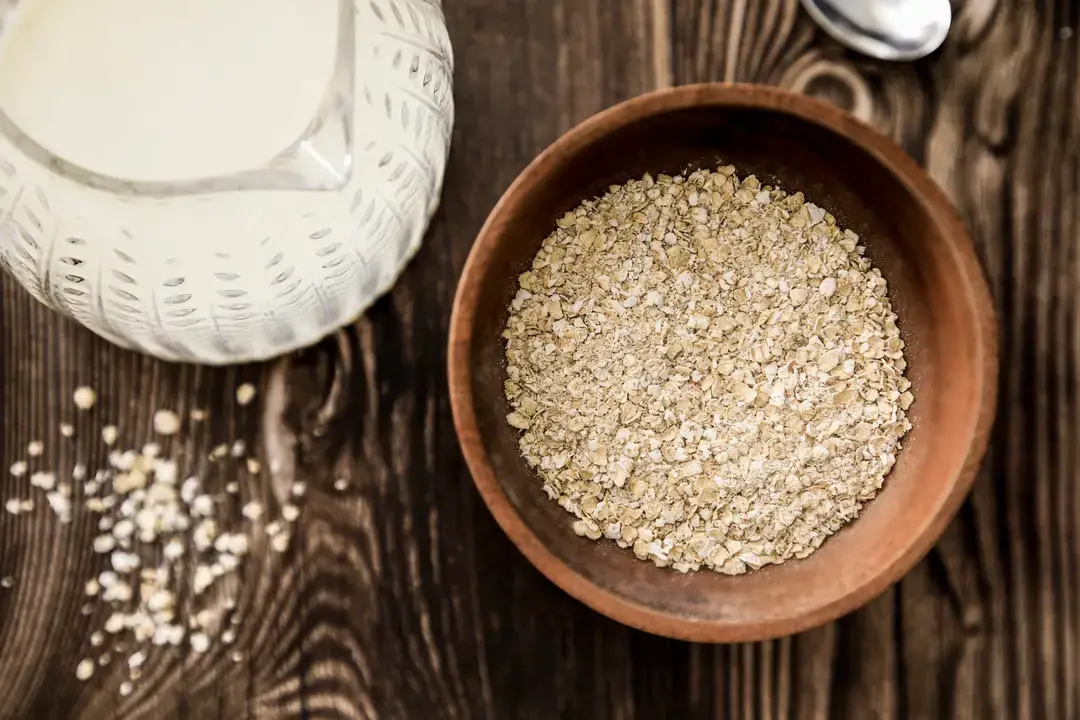
Oat milk is a plant-based beverage made by blending oats with water and filtering out the remaining solids. The result is a smooth, creamy drink that naturally has a mild sweetness.

Its texture is one of the main reasons for its popularity. Unlike some plant-based milks that can feel watery, oat milk closely resembles the richness of dairy milk, making it especially popular in coffee drinks, cereal, smoothies, and baking.

Most commercial oat milk products sold in the United States are fortified with nutrients such as:

  • Calcium
  • Vitamin D
  • Vitamin B12
  • Riboflavin
  • Vitamin A

Many brands also add oils like sunflower oil or canola oil to improve texture and create a creamier mouthfeel.

Homemade oat milk is much simpler. It usually contains only oats and water. While this may appeal to people seeking fewer ingredients, homemade versions generally lack the added vitamins and minerals found in fortified store-bought products.

Why Has Oat Milk Become So Popular?

The rise of oat milk didn’t happen by accident.

Consumers are increasingly looking for alternatives to dairy due to concerns about digestion, sustainability, allergies, and dietary preferences.

Oat milk checks several important boxes:

  • It is naturally lactose-free.
  • It works well in coffee without separating.
  • It has a creamy consistency.
  • It is suitable for vegans.
  • It has a smaller environmental footprint than dairy production.

For people who dislike the taste of almond milk or have soy allergies, oat milk often becomes the preferred alternative.

Oat Milk Nutrition Facts

The exact nutritional content varies by brand, but a typical one-cup serving of unsweetened fortified oat milk contains approximately:

Macronutrients

  • Calories: 80 to 120
  • Carbohydrates: 12 to 16 grams
  • Fiber: 1 to 3 grams
  • Protein: 2 to 4 grams
  • Fat: 2 to 5 grams
  • Sugar: 0 to 7 grams

Common Fortified Nutrients

  • Calcium: 20% to 30% Daily Value
  • Vitamin D: 15% to 25% Daily Value
  • Vitamin B12: 20% to 50% Daily Value

One reason oat milk tastes naturally sweeter than almond milk is its carbohydrate content. During processing, some oat starches break down into simpler sugars, creating a mildly sweet flavor even when no sugar is added.

What Makes Oat Milk Different From Other Plant Milks?

One unique feature of oat milk is its beta-glucan content.

What Is Beta-Glucan?

Beta-glucan is a type of soluble fiber naturally found in oats. Research has shown that it may help:

  • Lower LDL cholesterol
  • Support heart health
  • Improve feelings of fullness
  • Promote healthy digestion

This is one advantage oat milk has over many other plant-based alternatives, which often contain little or no fiber.

Although the amount of beta-glucan varies by product and processing method, it remains one of oat milk’s most notable nutritional benefits.

Health Benefits of Oat Milk

Supports Heart Health

The soluble fiber found in oats has been linked to improved cholesterol levels. Beta-glucans may help reduce LDL cholesterol by binding to cholesterol-rich bile acids and helping remove them from the body.

Over time, this may contribute to better cardiovascular health.

Lactose-Free and Dairy-Free

Millions of Americans experience lactose intolerance, which can cause symptoms such as:

  • Bloating
  • Gas
  • Stomach discomfort
  • Diarrhea

Because oat milk contains no lactose, it can be a comfortable alternative for those who struggle to digest dairy products.

Suitable for Vegan Diets

Oat milk contains no animal products, making it a convenient option for people following vegan or plant-based eating patterns.

When fortified, it can also help provide nutrients that may be harder to obtain from a strictly plant-based diet, including vitamin B12 and vitamin D.

Provides Important Nutrients

Many fortified oat milk products contain calcium levels similar to dairy milk.

This can help support:

  • Bone health
  • Muscle function
  • Nerve signaling
  • Overall wellness

Environmentally Friendly Choice

Many consumers choose oat milk for environmental reasons.

Compared to dairy milk, oat milk generally requires:

  • Less water
  • Less land
  • Lower greenhouse gas emissions

Compared to almond milk, oat milk also tends to have a smaller water footprint.

Are There Any Downsides to Oat Milk?

Despite its benefits, oat milk is not perfect.

Understanding the potential drawbacks can help you make better purchasing decisions.

Higher Carbohydrate Content

Oat milk contains significantly more carbohydrates than almond milk.

For people who closely monitor carbohydrate intake, this may be an important consideration.

A single serving can contain three to four times the carbohydrates found in unsweetened almond milk.

Added Sugars Can Add Up

Not all oat milk products are created equally.

Some flavored and sweetened varieties contain added sugars that increase calorie intake and may contribute to blood sugar spikes.

Common sweetened varieties can contain:

  • 7 to 10 grams of sugar per serving
  • Additional flavorings
  • Extra calories

Choosing unsweetened products is usually the healthier option.

Lower Protein Than Dairy and Soy

Protein is one area where oat milk falls behind.

A typical serving contains:

  • Oat milk: 2 to 4 grams
  • Dairy milk: About 8 grams
  • Soy milk: About 7 to 8 grams

If you’re an athlete, older adult, or someone focused on increasing protein intake, oat milk may not provide enough protein on its own.

Added Oils and Stabilizers

Many commercial brands add ingredients to improve texture and shelf stability.

These may include:

  • Sunflower oil
  • Canola oil
  • Gums
  • Stabilizers
  • Emulsifiers

While these ingredients are generally considered safe, some consumers prefer products with simpler ingredient lists.

Gluten Concerns

Oats themselves do not naturally contain gluten.

However, cross-contamination can occur during harvesting, processing, or packaging.

Individuals with celiac disease or gluten sensitivity should look for products labeled:

Certified Gluten-Free

Is Oat Milk Good for Weight Loss?

Oat milk can fit into a weight-loss plan, but it should not be viewed as a weight-loss food.

Compared with unsweetened almond milk, oat milk generally contains:

  • More calories
  • More carbohydrates
  • More natural sugars

That doesn’t automatically make it unhealthy.

In fact, its creamy texture and fiber content may help some people feel more satisfied, potentially reducing overall calorie intake later in the day.

If weight management is your goal:

  • Choose unsweetened varieties
  • Watch portion sizes
  • Consider total daily calorie intake

Is Oat Milk Good for Blood Sugar Control?

People with diabetes or prediabetes may need to be more selective when choosing oat milk.

Because oat milk contains more carbohydrates than many other plant-based alternatives, it can have a greater effect on blood glucose levels.

To minimize blood sugar spikes:

Choose Products That Are:

  • Unsweetened
  • High in fiber
  • Low in added sugars

Pair Oat Milk With:

  • Protein-rich foods
  • Healthy fats
  • Balanced meals

This can help slow digestion and reduce rapid rises in blood sugar.

Oat Milk vs Dairy Milk

Dairy Milk Advantages

  • Higher protein content
  • Naturally rich in calcium
  • Naturally contains vitamin B12
  • Excellent source of complete protein

Oat Milk Advantages

  • Lactose-free
  • Cholesterol-free
  • Contains fiber
  • Suitable for vegans
  • Easier for many people to digest

The better option depends on your nutritional priorities.

If protein is your main concern, dairy milk typically wins. If digestion, sustainability, or avoiding dairy matters most, oat milk may be the better fit.

Oat Milk vs Almond Milk

Oat Milk

  • Creamier texture
  • More carbohydrates
  • More calories
  • Contains fiber

Almond Milk

  • Lower calorie content
  • Lower carbohydrate content
  • Usually very low in protein
  • Thinner texture

People focused on weight loss or blood sugar control often prefer unsweetened almond milk, while those seeking a richer texture frequently choose oat milk.

Oat Milk vs Soy Milk

Soy milk remains one of the most nutritionally balanced plant-based options.

Oat Milk

  • Creamier texture
  • Naturally sweet flavor
  • Lower protein

Soy Milk

  • Higher protein
  • Nutritionally closer to dairy milk
  • Often recommended for those seeking a plant-based protein source

If protein intake is important, soy milk is often the stronger choice.

How to Choose a Healthy Oat Milk

Reading labels is one of the easiest ways to make a healthier choice.

Look For:

  • Unsweetened varieties
  • Calcium fortification
  • Vitamin D fortification
  • Vitamin B12 fortification
  • Minimal ingredients

Limit Products With:

  • Added sugars
  • Artificial flavorings
  • Excess oils
  • Long ingredient lists

A quick glance at the nutrition label can make a significant difference in the overall quality of the product you choose.

Should You Drink Oat Milk?

Oat milk can absolutely be part of a healthy diet.

For people who avoid dairy, follow a plant-based lifestyle, or simply enjoy its taste and texture, it offers several nutritional benefits along with impressive versatility.

The key is choosing the right product. Unsweetened, fortified varieties tend to provide the greatest nutritional value while avoiding unnecessary sugars and additives.

Like most foods, oat milk is neither a miracle health food nor something to avoid entirely. It works best when it aligns with your personal nutrition goals, whether those goals involve heart health, sustainability, digestion, or simply finding a milk alternative you enjoy.

Disclaimer

This article was created with the assistance of ChatGPT and reviewed for readability and informational purposes. Readers should not consider this content medical advice. Always consult a qualified healthcare professional regarding specific dietary or health concerns.

Is Coffee Good or Bad for You?

Coffee is one of the most widely consumed drinks in the world, yet it somehow carries two completely opposite reputations. On one hand, it is praised as a brain-boosting, metabolism-supporting beverage. On the other, it is blamed for anxiety, poor sleep, and heart issues.

So which version is true?

The honest answer is that coffee is neither purely good nor purely bad. Its effects depend on how much you drink, when you drink it, what you add to it, and how your body responds to caffeine.

This guide breaks everything down in a simple, practical way so you can decide how coffee fits into your life without confusion or extremes.

Key Takeaway

If you only remember a few points, make it these:

  • For most healthy adults, moderate coffee intake (about 3 to 5 cups per day or up to 400 mg caffeine) is generally safe
  • Coffee may support alertness, focus, and possibly reduce risk of certain diseases like type 2 diabetes
  • The downsides usually come from too much caffeine, poor timing, or high-sugar coffee drinks
  • Sleep disruption, anxiety, and jitters are the most common signs you are overdoing it
  • Plain coffee is very different from sugary café drinks, which can turn coffee into a high-calorie dessert

In short, coffee is not the problem. How you use it is what matters.

Why Coffee Has a Confusing Reputation

Coffee has been studied for decades, and the results can seem contradictory.

Some large population studies suggest that moderate coffee drinkers may have:

  • Lower risk of type 2 diabetes
  • Lower risk of certain heart-related conditions
  • Potential protection against neurodegenerative diseases
  • Slightly lower overall mortality in long-term observational research

At the same time, caffeine is a stimulant that can:

  • Disrupt sleep
  • Increase anxiety in sensitive individuals
  • Trigger heart palpitations in some people
  • Raise blood pressure temporarily

Both sides are true. The difference comes down to dose and individual sensitivity.

What Is Actually Inside Coffee?

Coffee is more than just caffeine. It contains a mix of compounds that can influence how your body responds.

Caffeine: The Main Active Ingredient

Caffeine is a natural stimulant that works by blocking adenosine, a chemical in the brain that makes you feel tired.

Effects of caffeine include:

  • Increased alertness and focus
  • Faster reaction time
  • Improved short-term memory in some cases
  • Temporary increase in heart rate and blood pressure

It is worth noting that people process caffeine differently. Some feel energized for hours, while others feel jittery or anxious quickly.

Antioxidants and Plant Compounds

Coffee is one of the largest sources of antioxidants in many diets.

These compounds, including polyphenols, may:

  • Help reduce inflammation
  • Support blood vessel function
  • Play a role in metabolic health

This is one reason black coffee often shows up positively in nutrition research.

What Changes Everything: Add-Ins

Plain coffee is very different from specialty drinks.

  • Black coffee: Almost zero calories
  • Sugar-loaded coffee drinks: Can become high-calorie beverages
  • Creamers and syrups: Often add saturated fat and added sugars

A simple cup of coffee can shift from health-friendly to dessert-level nutrition depending on what is added.

Potential Benefits of Coffee

Coffee is not just about staying awake. Research has identified several possible benefits when consumed in moderation.

Improved Focus and Mental Performance

Caffeine is known for its cognitive effects.

It may help with:

  • Alertness during work or study
  • Short-term memory performance
  • Concentration during repetitive tasks

This is why many people rely on coffee in the morning or during long work sessions.

Physical Performance Support

Caffeine can also influence exercise performance.

Possible effects include:

  • Increased endurance during cardio activity
  • Improved power output during strength training
  • Reduced perceived effort during exercise

Because of this, caffeine is often used in pre-workout supplements.

Metabolic and Blood Sugar Support

Some studies suggest moderate coffee consumption may be linked with:

  • Lower risk of type 2 diabetes
  • Improved insulin sensitivity in some populations
  • Slight increase in metabolic rate

However, coffee is not a weight loss tool on its own. Diet and lifestyle still matter far more.

Brain Health and Longevity Research

Long-term observational studies have explored links between coffee and brain health.

Findings suggest coffee drinkers may have:

  • Lower risk of Parkinson’s disease
  • Lower risk of cognitive decline in older age
  • Slight associations with increased longevity in some populations

These are associations, not guarantees, but they appear consistently across multiple studies.

The Potential Downsides of Coffee

While coffee has benefits, it is not harmless for everyone or in every situation.

Sleep Disruption

Caffeine can stay in the body for several hours.

Common issues include:

  • Difficulty falling asleep
  • Reduced sleep quality
  • Lighter, less restorative sleep

Even afternoon coffee can affect nighttime rest for sensitive individuals.

Anxiety, Jitters, and Restlessness

Caffeine stimulates the nervous system, which can sometimes lead to overstimulation.

Possible effects:

  • Feeling anxious or on edge
  • Hand tremors
  • Rapid heartbeat
  • Restlessness

If these symptoms appear, it may be a sign to reduce intake.

Digestive Issues and Heartburn

Coffee can affect the digestive system in some people.

It may:

  • Increase stomach acid production
  • Relax the lower esophageal sphincter
  • Contribute to acid reflux or heartburn

Cold brew or lower-acid coffee may be better tolerated.

Temporary Blood Pressure Increase

Caffeine can raise blood pressure temporarily, especially in those who are not regular consumers.

While most healthy adults tolerate this well, people with:

  • Uncontrolled hypertension
  • Certain heart conditions
  • Sensitivity to stimulants

should monitor intake more carefully.

How Much Coffee Is Safe?

For most healthy adults, caffeine guidelines are fairly consistent.

General Recommendation

  • Up to 400 mg of caffeine per day is considered safe for most adults
  • This is roughly 3 to 5 cups of brewed coffee

However, this is not a one-size-fits-all rule.

Individual Sensitivity Matters

People vary widely in how they respond:

  • Fast metabolizers may feel little effect even at higher doses
  • Slow metabolizers may feel strong effects from small amounts

Signs You May Be Drinking Too Much

Pay attention to:

  • Trouble sleeping
  • Increased anxiety
  • Frequent jitters
  • Heart palpitations
  • Needing more coffee just to feel normal

Special Populations

Certain groups should be more cautious:

  • Pregnant individuals are often advised to stay below 200 mg caffeine daily
  • People with heart conditions should consult a healthcare professional
  • Teens and children should consume much less caffeine overall

Coffee Add-Ins: Where Things Often Go Wrong

Coffee itself is low in calories. The problem often comes from what gets added.

Common Add-Ins That Change Everything

  • Sugar and syrups
  • Flavored creamers
  • Whipped cream
  • Large amounts of whole milk or half-and-half

A simple coffee can turn into a high-calorie drink without much notice.

Healthier Adjustments

Small changes can make a big difference:

  • Reduce syrup pumps gradually instead of cutting all at once
  • Use milk instead of heavy cream
  • Try cinnamon or vanilla extract for flavor without sugar
  • Choose smaller drink sizes when ordering café beverages

For example:

  • Black coffee: near zero calories
  • Large flavored latte: can exceed 300 to 500 calories

Who Should Be More Careful With Coffee?

Coffee does not affect everyone the same way. Some people may benefit from limiting intake.

Be cautious if you experience:

  • Chronic insomnia or poor sleep quality
  • High anxiety levels or panic symptoms
  • Acid reflux or frequent heartburn
  • Certain heart rhythm conditions
  • Pregnancy or breastfeeding (follow medical guidance)

Coffee is not inherently unsafe, but personal health context matters.

How to Make Coffee Work in Your Daily Routine

Instead of asking whether coffee is good or bad, it is more useful to focus on how to use it well.

Timing Tips

  • Avoid coffee late in the day if it affects your sleep
  • Many people benefit from stopping caffeine 6 to 8 hours before bedtime
  • Morning consumption tends to be better tolerated

Practical Intake Strategy

  • Start with lower amounts and adjust gradually
  • Stick to moderate daily intake if you feel fine
  • Consider alternating regular coffee with decaf

Simple Habit Tweaks

  • Delay your first cup by 30 to 60 minutes after waking if you feel anxious
  • Drink water alongside coffee
  • Notice how your body responds over a week

Tracking your symptoms can help you find your personal “sweet spot.”

A Balanced Way to Think About Coffee

Coffee is best understood as a tool rather than a health miracle or a harmful habit.

It can:

  • Improve focus and alertness
  • Fit into a healthy lifestyle
  • Support performance and productivity

It can also:

  • Disrupt sleep if poorly timed
  • Increase anxiety in sensitive individuals
  • Become unhealthy when loaded with sugar and cream

The difference is not just the coffee itself, but how it is used.

Disclaimer: This article was generated with the assistance of ChatGPT for informational and educational purposes only. It is not intended as medical advice. Readers should consult qualified healthcare professionals for personalized guidance regarding caffeine intake, diet, or medical conditions.

Which Cooking Oil is Best?

Choosing a cooking oil seems simple until you’re standing in the grocery aisle staring at dozens of bottles that all claim to be healthy. Olive oil, avocado oil, canola oil, coconut oil, sunflower oil, and more all have supporters, critics, and conflicting headlines surrounding them.

So which cooking oil is actually best?

The answer depends on how you’re using it. The healthiest choice for a salad isn’t always the best choice for frying, and the most expensive oil isn’t automatically the healthiest.

This guide breaks down the most popular cooking oils, explains what really matters when choosing one, and helps you decide which bottle deserves a permanent place in your kitchen.

Key Takeaway

If you only remember one thing from this article, remember this:

  • Extra virgin olive oil is the best everyday oil for most people.
  • Avocado oil is one of the best options for high-heat cooking.
  • Canola oil offers a budget-friendly balance of healthy fats and versatility.
  • Coconut oil, butter, and ghee can be enjoyed occasionally but are best used in moderation due to their higher saturated fat content.
  • No single oil is perfect for every situation. Matching the oil to the cooking method is what matters most.

A combination of extra virgin olive oil and a high-heat oil such as avocado oil can handle nearly everything you’ll cook at home.

What Makes a Cooking Oil Healthy?

Before comparing specific oils, it helps to understand what separates a healthier oil from a less desirable one.

The Type of Fat Matters

Cooking oils contain different types of fats, and those fats affect health in different ways.

Saturated Fat

Saturated fats are typically solid at room temperature.

Examples include:

  • Butter
  • Coconut oil
  • Ghee

While saturated fats can be part of a balanced diet, consuming large amounts may increase LDL cholesterol levels in some individuals.

Monounsaturated Fat

Monounsaturated fats are generally considered heart-friendly and are associated with positive cardiovascular outcomes.

Common sources include:

  • Olive oil
  • Avocado oil

Many nutrition experts recommend making these fats a regular part of your diet.

Polyunsaturated Fat

Polyunsaturated fats include omega-3 and omega-6 fatty acids.

These fats are found in:

  • Canola oil
  • Sunflower oil
  • Soybean oil
  • Safflower oil

When they replace saturated fats in the diet, they may support heart health.

Why Smoke Point Matters

Another important factor is an oil’s smoke point.

The smoke point is the temperature at which an oil begins to break down and produce smoke.

When oil reaches this point:

  • Flavor quality decreases
  • Nutrients can be damaged
  • Cooking performance suffers

For high-temperature cooking methods such as frying, grilling, and searing, you’ll want oils with higher smoke points.

For lower-temperature cooking or uncooked applications, smoke point becomes less important.

Refined vs. Unrefined Oils

Many oils come in both refined and unrefined forms.

Unrefined Oils

Examples include:

  • Extra virgin olive oil
  • Cold-pressed oils

Benefits include:

  • More natural flavor
  • Higher antioxidant content
  • Less processing

These oils are often preferred for salads, dressings, and lower-heat cooking.

Refined Oils

Refined oils undergo additional processing to remove impurities.

Benefits include:

  • Higher smoke points
  • Neutral flavor
  • Longer shelf life

They are often the better choice for frying and baking.

Comparing the Most Popular Cooking Oils

Let’s look at how the most common oils stack up.

Extra Virgin Olive Oil

Extra virgin olive oil, often called EVOO, consistently ranks among the healthiest oils available.

It is made from olives using minimal processing and contains beneficial plant compounds known as polyphenols.

Best Uses

  • Salad dressings
  • Dips
  • Marinades
  • Finishing dishes
  • Light sautéing
  • Roasting at moderate temperatures

Benefits

  • Rich in monounsaturated fats
  • Contains antioxidants
  • Strong evidence supporting heart health
  • Excellent flavor

Drawbacks

  • More expensive than some alternatives
  • Not ideal for extremely high temperatures

For most households, extra virgin olive oil should be the primary everyday oil.

Refined Olive Oil

Refined olive oil undergoes additional processing that removes some of the flavor and antioxidant compounds found in EVOO.

Best Uses

  • Roasting
  • Sautéing
  • Stir-frying
  • Higher-temperature cooking

Benefits

  • Higher smoke point
  • Mild flavor
  • Still rich in monounsaturated fats

Drawbacks

  • Fewer antioxidants than extra virgin olive oil
  • Less flavor complexity

It offers a practical compromise between nutrition and cooking performance.

Avocado Oil

Avocado oil has become increasingly popular due to its versatility and impressive heat tolerance.

Its fat profile is similar to olive oil, with a high percentage of monounsaturated fats.

Best Uses

  • High-heat frying
  • Grilling
  • Stir-frying
  • Roasting
  • Salad dressings

Benefits

  • Very high smoke point
  • Mild taste
  • Heart-friendly fat composition
  • Versatile for nearly any cooking method

Drawbacks

  • Usually more expensive than other oils

If you frequently cook at high temperatures, avocado oil is one of the best choices available.

Canola Oil

Canola oil is often overlooked because it lacks the premium image of olive or avocado oil.

However, it remains one of the more balanced and affordable options.

Best Uses

  • Baking
  • Frying
  • Sautéing
  • General cooking

Benefits

  • Low in saturated fat
  • Contains omega-3 fatty acids
  • Neutral flavor
  • Affordable

Drawbacks

  • Commonly refined
  • Quality varies between brands

For families looking for a budget-friendly cooking oil, canola oil remains a practical option.

Vegetable Oil

Vegetable oil is often a blend of different seed oils such as soybean, corn, and sunflower oils.

Best Uses

  • Frying
  • Baking
  • Large-batch cooking

Benefits

  • Inexpensive
  • Easy to find
  • Neutral flavor

Drawbacks

  • Usually highly refined
  • Nutritional quality varies

Vegetable oil can fit into a balanced diet, especially when used in moderation.

Sunflower Oil and Safflower Oil

These oils come in multiple varieties.

The healthiest versions are often labeled “high oleic.”

Best Uses

  • Roasting
  • Frying
  • Baking
  • Sautéing

Benefits

  • Neutral flavor
  • Good heat stability
  • Available in healthier high-oleic versions

Drawbacks

  • Some varieties contain higher amounts of omega-6 fats

If choosing these oils, high-oleic versions are generally preferred.

Coconut Oil

Coconut oil has gained popularity in recent years, but its health reputation is often overstated.

It remains one of the highest sources of saturated fat among cooking oils.

Best Uses

  • Baking
  • Certain ethnic cuisines
  • Recipes where coconut flavor is desired

Benefits

  • Pleasant flavor
  • Stable during cooking

Drawbacks

  • Very high in saturated fat
  • Not ideal as a primary everyday oil

Coconut oil works best as an occasional ingredient rather than the foundation of your cooking routine.

Butter and Ghee

Butter and ghee are valued primarily for flavor.

Ghee is clarified butter that has had water and milk solids removed.

Best Uses

  • Finishing vegetables
  • Sauces
  • Baking
  • Lower-heat cooking

Benefits

  • Rich flavor
  • Popular in many traditional recipes

Drawbacks

  • High in saturated fat
  • Calorie-dense

Both can fit into a healthy diet when used thoughtfully.

Which Oil Is Best for Different Cooking Methods?

Choosing the right oil becomes much easier when you focus on how you’re cooking.

Best Oils for High-Heat Cooking

For frying, searing, grilling, and stir-frying:

  • Avocado oil
  • Refined olive oil
  • Canola oil
  • High-oleic sunflower oil

Best Oils for Everyday Cooking

For sautéing and roasting:

  • Extra virgin olive oil
  • Refined olive oil
  • Avocado oil
  • Canola oil

Best Oils for Baking

For cakes, muffins, and baked goods:

  • Canola oil
  • Refined olive oil
  • Vegetable oil

Best Oils for Salads and Finishing

For uncooked applications:

  • Extra virgin olive oil
  • Avocado oil
  • Walnut oil

These oils provide flavor as well as nutritional benefits.

Are Seed Oils Really Bad?

Seed oils have become a controversial topic online.

Many claims suggest that all seed oils are harmful, but the evidence is more complicated.

Most concerns stem from diets that are high in:

  • Fast food
  • Processed snacks
  • Refined carbohydrates
  • Excess calories

In these situations, seed oils are only one small piece of a much larger dietary pattern.

Using moderate amounts of canola, sunflower, soybean, or safflower oil at home is very different from consuming large amounts of ultra-processed foods.

Rather than fearing specific oils, focus on overall dietary quality.

A diet rich in:

  • Vegetables
  • Fruits
  • Whole grains
  • Lean proteins
  • Healthy fats

will have a much greater impact on health than obsessing over a single bottle of oil.

Tips for Buying and Storing Cooking Oils

Choosing a quality oil is only part of the equation.

Proper storage helps preserve freshness and flavor.

What to Look for on Labels

Consider these terms:

  • Extra virgin
  • Cold-pressed
  • Expeller-pressed
  • High oleic

These labels often indicate less processing or better cooking performance.

When to Spend More

Invest in:

  • High-quality extra virgin olive oil for salads and finishing

Save money on:

  • Neutral oils used for frying and baking

Storage Tips

To keep oils fresh:

  • Store away from direct sunlight
  • Keep containers tightly sealed
  • Use a cool, dark cupboard
  • Avoid storing oils next to the stove

If an oil develops a stale, paint-like, or nutty smell, it may be rancid and should be discarded.

A Simple Rule for Choosing Cooking Oil

If choosing an oil still feels overwhelming, use this simple approach:

  • Use extra virgin olive oil for most everyday cooking and salads.
  • Keep avocado oil on hand for high-heat cooking.
  • Use canola oil when you need a versatile and budget-friendly option.
  • Enjoy butter, ghee, and coconut oil occasionally for flavor.
  • Focus on your overall diet rather than searching for one perfect oil.

Small choices made consistently tend to matter far more than chasing the latest nutrition trend.

Disclaimer: This article was generated with the assistance of ChatGPT and reviewed for informational purposes. While efforts have been made to provide accurate and helpful information, readers should verify important health and nutrition information with qualified healthcare professionals, registered dietitians, or trusted medical sources before making dietary decisions.

Can Exercise Improve Sleep?

You see them in gym bags, office drawers, backpacks, and convenience store shelves everywhere. Protein bars have become one of the most popular grab-and-go snacks in modern diets. They promise energy, muscle support, and convenience in a single wrapper.

But the real question is simple. Are protein bars actually healthy, or just highly marketed snack bars dressed up as nutrition?

This guide breaks it down clearly so you can make better choices without overthinking every label.

Key Takeaway

Protein bars can be healthy, but only in the right context.

  • Some bars are genuinely useful for protein intake, recovery, and busy days
  • Others are closer to candy bars with added protein powder
  • Healthiness depends on protein quality, sugar content, fiber, ingredients, and how often you rely on them

If a bar is high in protein, low in added sugar, contains fiber, and uses simple ingredients, it can be a solid snack. If it is loaded with sugar syrups, low in fiber, and highly processed, it is closer to dessert than nutrition.

What Is a Protein Bar?

A protein bar is a compact, shelf-stable food designed to deliver a concentrated amount of protein in a convenient form. Most bars contain between 10 to 30 grams of protein, along with carbohydrates and fats for energy.

They are typically marketed for:

  • Quick snacks between meals
  • Post-workout recovery
  • Meal replacement in busy schedules
  • Travel or on-the-go nutrition

Common ingredients include:

  • Milk-based proteins like whey or casein
  • Plant proteins such as pea or soy
  • Nuts, seeds, and oats
  • Sweeteners like honey, syrups, or sugar alcohols
  • Flavorings, binders, and preservatives

The issue is not that protein bars exist. The issue is that their nutritional quality varies widely.

Are Protein Bars Actually Healthy?

The answer depends on what is inside the bar and how it fits into your overall diet.

1. Protein Content and Quality

Protein is the main selling point, but not all protein sources are equal.

A good protein bar should provide:

  • 15 to 25 grams of protein for a snack
  • 20 to 30 grams if used after intense exercise

High-quality protein sources include:

  • Whey protein
  • Casein protein
  • Soy protein
  • Pea protein blends

These are considered complete or near-complete proteins, meaning they contain essential amino acids your body needs for muscle repair and maintenance.

Lower-quality bars may use collagen or incomplete blends that do not support muscle building as effectively.

2. Sugar and Sweeteners Matter More Than You Think

Sugar is where many protein bars lose their “healthy” reputation.

A bar can look nutritious on the front but still contain:

  • Multiple types of sugar (corn syrup, rice syrup, cane sugar)
  • High total sugar content
  • Artificial sweeteners or sugar alcohols

A practical guideline:

  • 5 to 10 grams of added sugar is reasonable
  • Over 15 grams starts to resemble a candy bar

Some sugar alcohols like maltitol can also cause bloating or digestive discomfort, especially in larger amounts.

3. Fiber Content for Fullness

Fiber plays a major role in how filling a protein bar actually is.

A good bar typically includes:

  • 3 to 7 grams of fiber

Fiber helps with:

  • Appetite control
  • Digestive health
  • Blood sugar stability

Bars with little to no fiber may leave you hungry soon after eating, even if protein content is high.

4. Fats and Ingredient Quality

Fats are not automatically bad, but the type matters.

Better options include:

  • Nuts and seeds
  • Natural nut butters
  • Plant-based oils in moderation

Less desirable ingredients include:

  • Hydrogenated oils
  • Excess saturated fats from low-quality fillers

Ingredient quality also matters beyond macros. A long list of artificial additives, preservatives, and flavoring agents often signals heavy processing.

The “Healthy Snack or Candy Bar” Problem

One of the biggest misconceptions about protein bars is that protein automatically makes them healthy.

Some bars are nutritionally closer to dessert than a balanced snack.

Warning signs include:

  • 300 to 400+ calories with low satiety
  • High sugar content combined with low fiber
  • Syrups listed as the first few ingredients
  • Heavy use of chocolate coatings and candy-like fillings

In these cases, the protein content does not offset the overall nutritional quality.

A bar can easily contain as much sugar and calories as a candy bar while only adding protein powder on top for marketing appeal.

How to Read a Protein Bar Label Properly

If you only remember one thing, remember this: the nutrition label tells the real story, not the packaging.

Quick Checklist

Look for:

  • Protein: 15 to 25 grams
  • Added sugar: under 10 grams
  • Fiber: at least 3 grams, ideally more
  • Calories:
    • 150 to 250 for a snack
    • 300 to 400 for a meal replacement
  • Ingredients: short list with recognizable foods

Be cautious if you see:

  • Multiple syrups or sugar sources
  • Very long ingredient lists
  • Low fiber despite high calorie content
  • Heavy artificial sweeteners causing digestive issues

When Protein Bars Are Actually Useful

Protein bars are not bad by default. In many situations, they are practical and helpful.

Situations Where They Make Sense

  • Busy workdays when real meals are not available
  • Post-workout nutrition when you cannot eat immediately
  • Travel days where fresh food is limited
  • Emergency snacks to avoid skipping meals
  • Controlled portions when managing hunger

In these cases, a protein bar can prevent worse choices like fast food or vending machine snacks.

When Protein Bars Can Work Against You

Even a good product can become a problem if used incorrectly.

Common Mistakes

  • Using protein bars as a daily replacement for whole meals
  • Eating multiple bars per day without tracking calories
  • Assuming “high protein” automatically means weight loss friendly
  • Ignoring digestive side effects from sugar alcohols
  • Relying on bars instead of real food variety

Whole foods contain micronutrients, antioxidants, and natural compounds that bars cannot fully replicate.

How to Choose a Better Protein Bar

Here is a simple decision framework you can use quickly in a store.

Step 1: Check Protein First

  • Minimum 15 grams for a snack
  • 20 to 30 grams if used after workouts

Step 2: Check Sugar Content

  • Aim for under 10 grams of added sugar
  • Avoid bars where sugar syrups are in the first ingredients

Step 3: Check Fiber

  • At least 3 grams
  • Higher fiber usually means better fullness

Step 4: Check Calories

  • 150 to 250 for light snacks
  • 250 to 350 for more substantial needs

Step 5: Scan Ingredients

Prefer:

  • Nuts
  • Oats
  • Dates
  • Whey or plant protein
  • Natural sweeteners in moderation

Avoid frequent consumption of:

  • Hydrogenated oils
  • Artificial sweeteners that cause discomfort
  • Long, highly processed ingredient lists

Better Whole-Food Alternatives

Protein bars are convenient, but not irreplaceable. Many whole foods are just as portable and often more nutritious.

Easy Alternatives

  • Greek yogurt with berries
  • Cottage cheese with fruit
  • Boiled eggs with an apple
  • Nuts with a banana
  • Homemade protein bites made from oats and nut butter

These options often provide better nutrient diversity, better digestion, and similar convenience with minimal preparation.

Do Protein Bars Fit Into a Healthy Diet?

Protein bars are not inherently good or bad. They sit somewhere in between convenience food and functional nutrition.

They work best when:

  • Used occasionally, not excessively
  • Chosen based on real nutrition labels
  • Paired with a balanced diet of whole foods
  • Used as support, not the foundation of your diet

The healthiest approach is not to eliminate them completely, but to treat them as a tool with a specific purpose.

FAQ

Are protein bars good for weight loss?

They can support weight loss if they are low in calories, high in protein, and used to replace higher-calorie snacks. However, frequent use of high-calorie bars can slow progress.

Can I eat protein bars every day?

Yes, but it depends on your overall diet. Daily use is fine if the bar has balanced nutrition and does not replace whole meals regularly.

Are protein bars better than regular snacks?

Sometimes. They are usually better than candy or chips, but not always better than whole foods like yogurt, eggs, or fruit with nuts.

Are protein bars safe?

For most healthy adults, yes. People with digestive sensitivities or kidney conditions should consult a healthcare professional before making them a regular part of their diet.

Disclaimer

This article was generated with the assistance of ChatGPT and is intended for informational and educational purposes only. It should not be considered medical or dietary advice.

Are Protein Bars Actually Healthy?

You see them in gym bags, office drawers, backpacks, and convenience store shelves everywhere. Protein bars have become one of the most popular grab-and-go snacks in modern diets. They promise energy, muscle support, and convenience in a single wrapper.

But the real question is simple. Are protein bars actually healthy, or just highly marketed snack bars dressed up as nutrition?

This guide breaks it down clearly so you can make better choices without overthinking every label.

Key Takeaway (Read This First)

Protein bars can be healthy, but only in the right context.

  • Some bars are genuinely useful for protein intake, recovery, and busy days
  • Others are closer to candy bars with added protein powder
  • Healthiness depends on protein quality, sugar content, fiber, ingredients, and how often you rely on them

If a bar is high in protein, low in added sugar, contains fiber, and uses simple ingredients, it can be a solid snack. If it is loaded with sugar syrups, low in fiber, and highly processed, it is closer to dessert than nutrition.

What Is a Protein Bar?

A protein bar is a compact, shelf-stable food designed to deliver a concentrated amount of protein in a convenient form. Most bars contain between 10 to 30 grams of protein, along with carbohydrates and fats for energy.

They are typically marketed for:

  • Quick snacks between meals
  • Post-workout recovery
  • Meal replacement in busy schedules
  • Travel or on-the-go nutrition

Common ingredients include:

  • Milk-based proteins like whey or casein
  • Plant proteins such as pea or soy
  • Nuts, seeds, and oats
  • Sweeteners like honey, syrups, or sugar alcohols
  • Flavorings, binders, and preservatives

The issue is not that protein bars exist. The issue is that their nutritional quality varies widely.

Are Protein Bars Actually Healthy?

The answer depends on what is inside the bar and how it fits into your overall diet.

1. Protein Content and Quality

Protein is the main selling point, but not all protein sources are equal.

A good protein bar should provide:

  • 15 to 25 grams of protein for a snack
  • 20 to 30 grams if used after intense exercise

High-quality protein sources include:

  • Whey protein
  • Casein protein
  • Soy protein
  • Pea protein blends

These are considered complete or near-complete proteins, meaning they contain essential amino acids your body needs for muscle repair and maintenance.

Lower-quality bars may use collagen or incomplete blends that do not support muscle building as effectively.

2. Sugar and Sweeteners Matter More Than You Think

Sugar is where many protein bars lose their “healthy” reputation.

A bar can look nutritious on the front but still contain:

  • Multiple types of sugar (corn syrup, rice syrup, cane sugar)
  • High total sugar content
  • Artificial sweeteners or sugar alcohols

A practical guideline:

  • 5 to 10 grams of added sugar is reasonable
  • Over 15 grams starts to resemble a candy bar

Some sugar alcohols like maltitol can also cause bloating or digestive discomfort, especially in larger amounts.

3. Fiber Content for Fullness

Fiber plays a major role in how filling a protein bar actually is.

A good bar typically includes:

  • 3 to 7 grams of fiber

Fiber helps with:

  • Appetite control
  • Digestive health
  • Blood sugar stability

Bars with little to no fiber may leave you hungry soon after eating, even if protein content is high.

4. Fats and Ingredient Quality

Fats are not automatically bad, but the type matters.

Better options include:

  • Nuts and seeds
  • Natural nut butters
  • Plant-based oils in moderation

Less desirable ingredients include:

  • Hydrogenated oils
  • Excess saturated fats from low-quality fillers

Ingredient quality also matters beyond macros. A long list of artificial additives, preservatives, and flavoring agents often signals heavy processing.

The “Healthy Snack or Candy Bar” Problem

One of the biggest misconceptions about protein bars is that protein automatically makes them healthy.

Some bars are nutritionally closer to dessert than a balanced snack.

Warning signs include:

  • 300 to 400+ calories with low satiety
  • High sugar content combined with low fiber
  • Syrups listed as the first few ingredients
  • Heavy use of chocolate coatings and candy-like fillings

In these cases, the protein content does not offset the overall nutritional quality.

A bar can easily contain as much sugar and calories as a candy bar while only adding protein powder on top for marketing appeal.

How to Read a Protein Bar Label Properly

If you only remember one thing, remember this: the nutrition label tells the real story, not the packaging.

Quick Checklist

Look for:

  • Protein: 15 to 25 grams
  • Added sugar: under 10 grams
  • Fiber: at least 3 grams, ideally more
  • Calories:
    • 150 to 250 for a snack
    • 300 to 400 for a meal replacement
  • Ingredients: short list with recognizable foods

Be cautious if you see:

  • Multiple syrups or sugar sources
  • Very long ingredient lists
  • Low fiber despite high calorie content
  • Heavy artificial sweeteners causing digestive issues

When Protein Bars Are Actually Useful

Protein bars are not bad by default. In many situations, they are practical and helpful.

Situations Where They Make Sense

  • Busy workdays when real meals are not available
  • Post-workout nutrition when you cannot eat immediately
  • Travel days where fresh food is limited
  • Emergency snacks to avoid skipping meals
  • Controlled portions when managing hunger

In these cases, a protein bar can prevent worse choices like fast food or vending machine snacks.

When Protein Bars Can Work Against You

Even a good product can become a problem if used incorrectly.

Common Mistakes

  • Using protein bars as a daily replacement for whole meals
  • Eating multiple bars per day without tracking calories
  • Assuming “high protein” automatically means weight loss friendly
  • Ignoring digestive side effects from sugar alcohols
  • Relying on bars instead of real food variety

Whole foods contain micronutrients, antioxidants, and natural compounds that bars cannot fully replicate.

How to Choose a Better Protein Bar

Here is a simple decision framework you can use quickly in a store.

Step 1: Check Protein First

  • Minimum 15 grams for a snack
  • 20 to 30 grams if used after workouts

Step 2: Check Sugar Content

  • Aim for under 10 grams of added sugar
  • Avoid bars where sugar syrups are in the first ingredients

Step 3: Check Fiber

  • At least 3 grams
  • Higher fiber usually means better fullness

Step 4: Check Calories

  • 150 to 250 for light snacks
  • 250 to 350 for more substantial needs

Step 5: Scan Ingredients

Prefer:

  • Nuts
  • Oats
  • Dates
  • Whey or plant protein
  • Natural sweeteners in moderation

Avoid frequent consumption of:

  • Hydrogenated oils
  • Artificial sweeteners that cause discomfort
  • Long, highly processed ingredient lists

Better Whole-Food Alternatives

Protein bars are convenient, but not irreplaceable. Many whole foods are just as portable and often more nutritious.

Easy Alternatives

  • Greek yogurt with berries
  • Cottage cheese with fruit
  • Boiled eggs with an apple
  • Nuts with a banana
  • Homemade protein bites made from oats and nut butter

These options often provide better nutrient diversity, better digestion, and similar convenience with minimal preparation.

Do Protein Bars Fit Into a Healthy Diet?

Protein bars are not inherently good or bad. They sit somewhere in between convenience food and functional nutrition.

They work best when:

  • Used occasionally, not excessively
  • Chosen based on real nutrition labels
  • Paired with a balanced diet of whole foods
  • Used as support, not the foundation of your diet

The healthiest approach is not to eliminate them completely, but to treat them as a tool with a specific purpose.

FAQ

Are protein bars good for weight loss?

They can support weight loss if they are low in calories, high in protein, and used to replace higher-calorie snacks. However, frequent use of high-calorie bars can slow progress.

Can I eat protein bars every day?

Yes, but it depends on your overall diet. Daily use is fine if the bar has balanced nutrition and does not replace whole meals regularly.

Are protein bars better than regular snacks?

Sometimes. They are usually better than candy or chips, but not always better than whole foods like yogurt, eggs, or fruit with nuts.

Are protein bars safe?

For most healthy adults, yes. People with digestive sensitivities or kidney conditions should consult a healthcare professional before making them a regular part of their diet.

Disclaimer

This article was generated with the assistance of ChatGPT and is intended for informational and educational purposes only. It should not be considered medical or dietary advice.

Are Energy Drinks Bad for You?

It is 3 PM, your focus starts fading, and your to-do list still looks way too long. You reach for an energy drink because it feels like the fastest fix. A few minutes later, you feel awake, alert, and ready to power through.

Then comes the crash.

Your energy dips again, your focus gets fuzzy, and now you may feel jittery, restless, or wired when you should be winding down later. So, are energy drinks bad for you, or are they just another caffeine option?

The answer is not one-size-fits-all. Energy drinks can be okay for some healthy adults in moderation, but they can also cause problems when used too often, too late in the day, or by people who are more sensitive to caffeine.

Key Takeaway

Energy drinks are not automatically bad for every person, but they can become risky when you drink too much, rely on them daily, mix them with alcohol, or have certain health concerns.

Energy drinks may cause:

  • Jitters
  • Fast heartbeat
  • Headaches
  • Energy crashes
  • Trouble sleeping
  • Stomach discomfort
  • Higher blood pressure
  • Anxiety symptoms
  • Dental issues from sugar and acidity

For many healthy adults, moderate caffeine intake may be manageable. However, teens, pregnant people, people with heart conditions, and those sensitive to caffeine should be especially careful or avoid energy drinks altogether.

What Are Energy Drinks?

Energy drinks are beverages marketed to boost alertness, focus, stamina, and energy. They are often used during long workdays, workouts, study sessions, road trips, or afternoon slumps.

Most energy drinks contain a mix of ingredients such as:

  • Caffeine
  • Sugar or artificial sweeteners
  • B vitamins
  • Taurine
  • Guarana
  • Flavorings
  • Herbal extracts
  • Electrolytes in some formulas

Caffeine is usually the main ingredient responsible for the “energy” feeling. It stimulates the nervous system and can make you feel more awake for a short period of time.

However, some energy drinks also include guarana, which contains additional caffeine. That means the total caffeine effect may be stronger than you realize.

What Happens After You Drink One?

After drinking an energy drink, you may feel more alert within minutes. Your heart rate may rise, your brain may feel more awake, and your tiredness may temporarily fade.

That sounds helpful, especially during a busy day.

But the effects can come with trade-offs.

Short-term effects may include:

  • Increased alertness
  • Faster heartbeat
  • Jitters
  • Shakiness
  • Restlessness
  • Headache
  • Upset stomach
  • Trouble focusing after the buzz wears off
  • Irritability
  • Energy crash later

Some people tolerate caffeine well. Others feel uncomfortable after even a small amount.

Why the Crash Happens

Many energy drinks contain both caffeine and sugar. Caffeine gives a quick boost, while sugar can provide fast fuel. The problem is that fast fuel may not last long.

After the initial lift, your energy may drop again. This can leave you feeling:

  • Sleepy
  • Moody
  • Foggy
  • Hungry
  • Unfocused
  • More tempted to grab another drink

That cycle can become frustrating. You drink one for energy, crash later, then feel like you need another one to keep going.

Checklist: Common Side Effects and What to Do

If you drink an energy drink and feel off, try these simple steps.

Jitters or Fast Heartbeat

Try:

  • Stop drinking it
  • Sip water
  • Sit down for a few minutes
  • Take slow breaths
  • Avoid more caffeine that day
  • Eat a balanced snack if you have not eaten

Energy Crash

Try:

  • Eat protein and fiber
  • Take a short walk
  • Drink water
  • Avoid grabbing another sugary drink
  • Step away from screens for a few minutes

Sleep Trouble

Try:

  • Avoid caffeine after early afternoon
  • Keep your bedroom dark and cool
  • Use a calming evening routine
  • Avoid late scrolling
  • Switch to caffeine-free drinks later in the day

Headache or Stomach Discomfort

Try:

  • Hydrate
  • Eat a simple meal or snack
  • Avoid drinking energy drinks on an empty stomach
  • Reduce your caffeine dose next time
  • Take a break from energy drinks for a few days

Long-Term Health Concerns

Having one energy drink once in a while may not cause problems for a healthy adult. But frequent or high intake can create concerns over time.

Potential long-term concerns include:

  • Poor sleep quality
  • Increased blood pressure
  • Caffeine dependence
  • More anxiety or restlessness
  • Dental enamel damage
  • Weight gain from sugary versions
  • Blood sugar spikes
  • Heart rhythm concerns in sensitive people
  • More frequent headaches

Sugar-heavy energy drinks can also affect teeth because they are often acidic. Acid and sugar together can increase the risk of tooth decay.

If you are using energy drinks every day just to function, that may be a sign to look at sleep, stress, hydration, meals, and overall routine.

Heart Health and Energy Drinks

One of the biggest concerns with energy drinks is how they may affect the heart.

Caffeine can raise heart rate and blood pressure. For some people, that may lead to palpitations or an uncomfortable racing feeling.

An arrhythmia is an irregular heartbeat. It can feel like fluttering, skipping, pounding, or racing in the chest. If this happens often or feels severe, it is important to seek medical attention.

Risk may be higher if you:

  • Drink large amounts of caffeine
  • Drink multiple energy drinks in one day
  • Mix energy drinks with alcohol
  • Have an existing heart condition
  • Take stimulant medication
  • Are sensitive to caffeine
  • Have anxiety or panic symptoms

If energy drinks make your heart race, make you dizzy, or cause chest discomfort, stop using them and talk to a healthcare professional.

Who Should Avoid Energy Drinks?

Energy drinks are not a great choice for everyone.

Some groups should avoid them or be especially cautious.

Teens

Teens are more sensitive to caffeine, and their brains and bodies are still developing. Energy drinks can affect sleep, mood, focus, and heart rate.

Pregnant People

Pregnant people are usually advised to limit caffeine. Energy drinks can contain high caffeine levels and other ingredients that may not be ideal during pregnancy.

People With Heart Conditions

If you have heart disease, high blood pressure, arrhythmias, or palpitations, energy drinks may increase symptoms.

People With Anxiety

Caffeine can worsen anxiety, restlessness, and panic symptoms in some people.

People Sensitive to Caffeine

If a small amount of caffeine makes you shaky, wired, anxious, or unable to sleep, energy drinks are probably not the best choice.

How Much Is Too Much?

For most healthy adults, total caffeine intake should generally stay under about 400 mg per day. That includes caffeine from all sources, not just energy drinks.

Caffeine sources may include:

  • Coffee
  • Tea
  • Energy drinks
  • Soda
  • Pre-workout supplements
  • Chocolate
  • Some medications
  • Guarana-containing products

The tricky part is that energy drinks vary widely. Some have modest caffeine levels, while others contain much higher amounts. Always check the label.

Also, timing matters. Even if your total caffeine is within a reasonable range, drinking it too late can still hurt your sleep.

A smart rule is to avoid caffeine after early afternoon, especially if you have trouble falling asleep.

Three-Step Plan to Test Your Tolerance

If you are a healthy adult and want to understand how energy drinks affect you, test your tolerance carefully.

1. Start Small

Try a small serving in the morning. Do not drink it quickly. Track how you feel for the next two hours.

Watch for:

  • Jitters
  • Racing heart
  • Anxiety
  • Headache
  • Stomach discomfort
  • Better focus
  • Energy crash

2. Avoid Late-Day Caffeine

If you tolerate it well, keep caffeine earlier in the day. Try to stop by 2 PM or earlier if sleep is an issue.

3. Reassess Your Sleep and Energy

If you feel wired at night, sleep poorly, or crash later, cut back or take a break for a week.

This helps you learn your real limit instead of guessing.

Smarter Alternatives for Energy

Energy drinks are not the only way to wake up your brain. There are better options that can help without the same crash.

Try:

  • Water with lemon or citrus
  • Unsweetened tea
  • Black coffee
  • Green tea
  • Sparkling water
  • A protein-rich snack
  • A short walk
  • Light stretching
  • A 10 to 15 minute nap
  • A few minutes of sunlight
  • Deep breathing
  • A quick break away from screens

Sometimes your body is not asking for caffeine. It may be asking for hydration, food, movement, or rest.

Quick Energy-Boosting Snack Ideas

If your afternoon energy drops, food may help more than another drink.

Try snacks with protein and fiber, such as:

  • Greek yogurt with berries
  • Apple slices with peanut butter
  • Whole grain toast with avocado
  • Nuts and fruit
  • Hummus with vegetables
  • Boiled eggs
  • Cottage cheese with fruit
  • Oatmeal with chia seeds
  • Turkey roll-ups
  • Protein smoothie with low sugar

These options provide steadier fuel than a sugary drink.

How to Reduce Energy Drink Dependence

If energy drinks have become a daily habit, you do not have to quit all at once. Gradual changes can work well.

Try these steps:

  • Cut your serving size in half
  • Switch to a lower-caffeine drink
  • Replace one energy drink with tea
  • Drink water before caffeine
  • Eat breakfast with protein
  • Take a short walk during your slump
  • Stop keeping energy drinks at your desk
  • Set a caffeine cutoff time
  • Track how much caffeine you actually drink

Small changes can make your energy feel more stable over time.

Quick Do’s and Don’ts

Do:

  • Check caffeine labels
  • Count total caffeine from all sources
  • Choose lower-sugar options
  • Drink water throughout the day
  • Eat balanced meals
  • Stop caffeine early enough to protect sleep
  • Pay attention to heart symptoms
  • Take breaks from daily use if needed

Don’t:

  • Mix energy drinks with alcohol
  • Drink them late in the day
  • Use them to replace sleep
  • Drink multiple cans without checking caffeine content
  • Ignore jitters or palpitations
  • Rely on sugar for daily energy
  • Assume “natural” ingredients mean risk-free
  • Give energy drinks to children or teens

A Better Way to Beat the Afternoon Slump

So, are energy drinks bad for you? They can be, especially if you drink them often, consume too much caffeine, choose high-sugar versions, or have health conditions that make caffeine risky.

For healthy adults, occasional moderate use may be okay. The key is to know your limits, avoid late-day caffeine, choose lower-sugar options, and pay attention to how your body responds.

If your energy crashes every afternoon, look beyond the can. Better sleep, hydration, balanced meals, short walks, and smarter caffeine timing can help you feel more focused without the rollercoaster.

Disclaimer: This content was generated by ChatGPT and should be reviewed by a qualified professional before using it as medical advice.

What Happens When You Stop Smoking?

You reach for the first cigarette of the day, but this time your hand pauses.

Maybe you are tired of the cravings. Maybe you are tired of smelling smoke on your clothes. Maybe you are tired of promising yourself you will quit “soon” and then feeling frustrated when the habit pulls you back in.

Here is the encouraging truth: the moment you stop smoking, your body begins working for you. Healing starts faster than many people realize. Within hours, your oxygen levels begin improving. Within days, your senses can sharpen. Within weeks, breathing may feel easier. Over time, your risk of serious health problems can drop in powerful ways.

So, what happens when you stop smoking? Let’s walk through the real changes, the tough moments, and the practical steps that can help you stay on track.

Key Takeaway

When you stop smoking, your body starts healing within hours. Carbon monoxide levels begin to drop, oxygen improves, cravings rise and then become more manageable, breathing gets easier, energy returns, and long-term risks for heart disease, stroke, and certain cancers decrease over time.

Quitting smoking can help support:

  • Better oxygen flow
  • Lower heart rate and blood pressure
  • Improved taste and smell
  • Easier breathing
  • More energy
  • Better stamina
  • Fresher breath
  • Healthier lungs over time
  • Lower heart disease risk
  • More control over cravings and routines

The first few days may feel challenging, but every smoke-free hour is progress.

A Quick Timeline of What Happens After You Quit

Your body does not wait weeks to start repairing. It begins quickly.

Here is a simple overview:

  • Within hours: Carbon monoxide levels start to fall, and oxygen levels begin to improve.
  • Within 24 to 72 hours: Withdrawal symptoms may become stronger, but your body is adjusting.
  • Within one week: Cravings may peak and then begin to fade.
  • Within one month: Breathing can improve, and energy may start to return.
  • Within several months: Lung function and stamina may improve.
  • Within one year: Heart disease risk drops significantly compared with continued smoking.
  • Over the long term: Stroke and cancer risks can decline as the body continues to heal.

These milestones matter because they show that quitting is not just about what you are giving up. It is about what you are gaining back.

The First 24 Hours: Your Body Gets to Work

The first day without cigarettes is a big step. Even if it feels uncomfortable, your body is already moving in the right direction.

During the first 24 hours, you may notice:

  • Strong cravings
  • Irritability
  • Restlessness
  • Headaches
  • Trouble concentrating
  • A desire to reach for your usual cigarette routine

At the same time, important changes are happening inside your body.

Your heart rate and blood pressure may begin to move toward healthier levels. Carbon monoxide, a harmful gas found in cigarette smoke, starts leaving your bloodstream. As carbon monoxide drops, your blood can carry oxygen more effectively.

That means your body is already getting cleaner fuel.

What Is Carbon Monoxide?

Carbon monoxide is a harmful gas found in cigarette smoke. It reduces the amount of oxygen your blood can carry.

When you smoke, carbon monoxide competes with oxygen in your bloodstream. This makes your heart and lungs work harder. Once you stop smoking, carbon monoxide levels begin to fall, allowing more oxygen to reach your organs, muscles, and brain.

That is one reason quitting can make such a difference, even early on.

Days 2 and 3: Cravings May Peak

The second and third days can be some of the hardest. This is when nicotine withdrawal may feel more intense.

You may experience:

  • Strong urges to smoke
  • Mood swings
  • Anxiety
  • Irritability
  • Trouble sleeping
  • Increased appetite
  • Headaches
  • Brain fog
  • Restlessness

This can feel discouraging, but it is also a sign that your body is adjusting to life without nicotine.

Nicotine affects the brain’s reward system. When you stop smoking, your brain needs time to rebalance. Cravings can feel powerful, but they usually come in waves. Most cravings pass if you delay, distract, and breathe through them.

Checklist: Early Symptoms and How to Manage Them

Use this quick guide when cravings hit.

Cravings

Try:

  • Deep breathing
  • Drinking water
  • Chewing sugar-free gum
  • Waiting 10 minutes before acting
  • Walking around the block
  • Calling or texting someone supportive

Irritability

Try:

  • Taking a short walk
  • Stretching
  • Avoiding known triggers
  • Giving yourself quiet time
  • Reminding yourself that the feeling will pass

Trouble Sleeping

Try:

  • Limiting caffeine later in the day
  • Creating a calming bedtime routine
  • Turning off screens before bed
  • Keeping your room cool and dark
  • Practicing slow breathing

Headaches

Try:

  • Drinking water
  • Resting when possible
  • Eating balanced meals
  • Avoiding extra caffeine swings
  • Taking breaks from screens

Anxiety or Restlessness

Try:

  • Breathing exercises
  • Light movement
  • Journaling
  • Listening to calming music
  • Using nicotine replacement therapy if appropriate

The First Week: You Start Building Momentum

By the end of the first week, many people begin to feel small but exciting changes.

Taste and smell may start to sharpen. Food may taste better. Your breathing may feel slightly easier. You may feel proud that you made it through several tough days.

During this stage, cravings can still show up, especially around familiar routines.

Common triggers may include:

  • Morning coffee
  • Driving
  • Work breaks
  • Stressful conversations
  • Meals
  • Alcohol
  • Social situations
  • Boredom
  • Seeing someone else smoke

The key is to plan ahead. If you know coffee triggers a craving, change your morning routine. If driving makes you want to smoke, keep gum, mints, or water in the car. If stress is a trigger, prepare a quick breathing exercise or short walk.

What Is Nicotine Replacement Therapy?

Nicotine replacement therapy, often called NRT, gives your body a controlled amount of nicotine without cigarette smoke.

Common NRT options include:

  • Nicotine patches
  • Nicotine gum
  • Nicotine lozenges
  • Nicotine inhalers
  • Nicotine nasal sprays

NRT may help reduce withdrawal symptoms and make cravings easier to manage. It can be especially helpful during the early stages of quitting.

If you are unsure what option fits you, ask a healthcare professional.

The First Month: Breathing and Energy Can Improve

As you move through the first month, the benefits can become more noticeable.

You may notice:

  • Less shortness of breath
  • More energy during daily tasks
  • Better taste and smell
  • Fewer intense cravings
  • More confidence
  • Improved mood stability
  • Less chest tightness
  • Better stamina during walks or stairs

This is an exciting stage because progress starts to feel real. You are no longer just fighting the habit. You are seeing what life can feel like without it.

Your lungs are also working hard. Tiny hair-like structures called cilia help clear mucus and debris from the airways. Smoking damages them, but after quitting, they can begin functioning better over time.

One to Six Months: Your Stamina Builds

Between one and six months, many people notice bigger improvements in daily life.

Activities that once felt harder may become easier.

For example:

  • Walking uphill may feel less tiring
  • Climbing stairs may not leave you as winded
  • Workouts may feel more manageable
  • Coughing may decrease
  • Chest tightness may improve
  • You may feel more active and capable

This period can be motivating because your progress becomes easier to feel. The benefits are no longer only internal. They start showing up in your routines, your energy, and your confidence.

One Year and Beyond: Long-Term Health Benefits Grow

After one year without smoking, your risk of coronary heart disease drops sharply compared with someone who continues smoking.

Over time, other health risks can also decline. Your risk of stroke may go down. Your risk for certain cancers can decrease. Your circulation may improve. Your body continues repairing and adjusting.

Long-term benefits may include:

  • Lower heart disease risk
  • Reduced stroke risk
  • Lower risk of some cancers over time
  • Improved lung function
  • Better exercise tolerance
  • Healthier circulation
  • Improved sense of control
  • Better breath and clothing smell
  • More financial savings
  • Greater confidence in your ability to change

Quitting smoking is one of the most powerful health decisions a person can make.

Practical Quit-Support Strategies

Quitting is easier when you have a plan. You do not need to rely on willpower alone.

Try building a quit-support system with:

  • Nicotine replacement therapy
  • A clear quit date
  • Support from friends or family
  • A plan for cravings
  • Trigger management
  • Healthy distractions
  • A smoke-free home and car
  • A reward system for milestones
  • Professional support if needed

The goal is not to be perfect. The goal is to keep going.

Three-Step Daily Plan

Use this simple daily plan to make quitting feel more manageable.

1. Morning: Start With Control

In the morning:

  • Use NRT as directed if you are using it
  • Drink water
  • Eat something nourishing
  • Set one small smoke-free goal
  • Remind yourself why you are quitting

Your goal could be simple: “I will get through the first craving without smoking.”

2. Midday: Move Through Triggers

During the day:

  • Take a 10-minute walk
  • Avoid high-risk situations when possible
  • Keep gum, mints, or water nearby
  • Practice deep breathing
  • Text someone supportive if cravings hit

Midday can be a common craving window, so having a plan helps.

3. Evening: Review and Reset

At night:

  • Notice what triggered cravings
  • Celebrate what went well
  • Prepare for tomorrow
  • Create a calming routine
  • Remove reminders of smoking from your space

Even if the day was hard, every smoke-free choice counts.

How to Handle Cravings in the Moment

Cravings can feel urgent, but they usually pass.

Try the “delay and distract” method:

  • Wait 10 minutes
  • Take 10 slow breaths
  • Drink a glass of water
  • Change your location
  • Do something with your hands
  • Remind yourself the craving will pass

Helpful distractions include:

  • Walking
  • Cleaning one small area
  • Listening to music
  • Calling a friend
  • Playing a quick phone game
  • Chewing gum
  • Brushing your teeth
  • Holding a stress ball
  • Writing down why you quit

You are not powerless during a craving. You are practicing a new response.

When to Seek Professional Help

It is a smart idea to get help if quitting feels overwhelming or if you have tried several times and keep relapsing.

Consider speaking with a clinician if:

  • Cravings feel unmanageable
  • You smoke heavily
  • You have relapsed multiple times
  • You feel depressed or anxious
  • You used smoking to cope with stress
  • Withdrawal affects your daily life
  • You are unsure which NRT option to use
  • You want medication support
  • You need counseling or a quitline referral

You can say:

“I want to quit smoking and need help with cravings. Can we discuss nicotine replacement therapy, medication, or counseling options?”

That simple request gives your provider a clear starting point.

What If You Slip?

A slip does not mean you failed. It means you had a difficult moment and need to adjust the plan.

If you smoke after quitting, ask:

  • What triggered it?
  • Was I hungry, tired, stressed, or around smokers?
  • What can I do differently next time?
  • Do I need more support?
  • Should I use NRT or change my current approach?
  • Who can I call when cravings get intense?

Then restart as soon as possible. Do not let one cigarette turn into giving up.

Quick Do’s and Don’ts

Do:

  • Plan ahead
  • Use NRT if appropriate
  • Track your progress
  • Remove cigarettes and lighters
  • Tell someone your quit date
  • Drink water
  • Move when cravings hit
  • Celebrate small milestones
  • Ask for professional help if needed

Don’t:

  • Keep cigarettes “just in case”
  • Skip coping strategies
  • Isolate when cravings hit
  • Rely only on willpower
  • Ignore strong withdrawal symptoms
  • Spend time around triggers too early
  • Give up after one slip
  • Forget why you started

Your Smoke-Free Progress Starts Now

What happens when you stop smoking? Your body begins healing within hours. Oxygen levels improve, cravings rise and then become more manageable, breathing can get easier, and energy may return. Over time, your heart, lungs, and long-term health can benefit in major ways.

The first days may test you, but they also prove something important: you can move through cravings without obeying them.

Start with the next 24 hours. Use support. Plan for triggers. Celebrate every win. Each smoke-free choice is a step toward feeling lighter, clearer, and more in control.

Disclaimer: This content was generated by ChatGPT and should be reviewed by a qualified professional before using it as medical advice.